
- India,
- 08-Jul-2026 07:29 AM IST



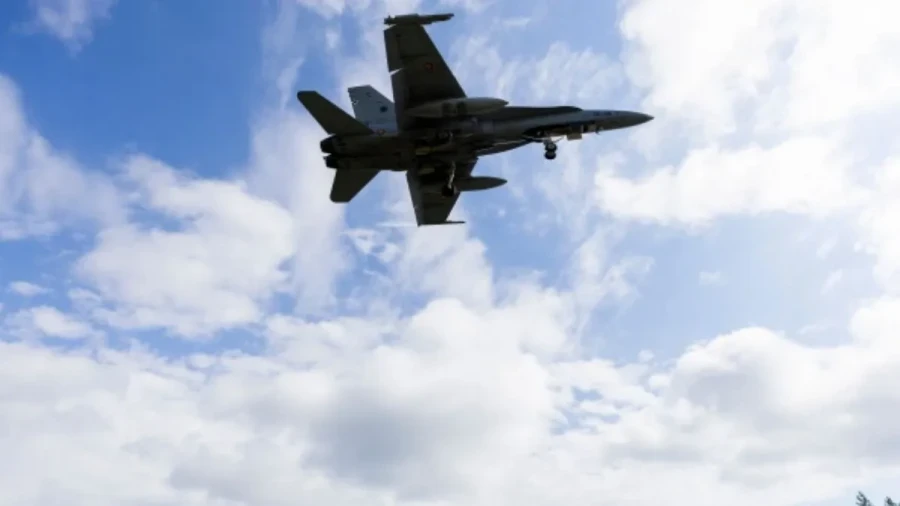
The United States military has initiated a fresh wave of airstrikes against Iranian targets in a significant escalation of regional tensions. These military operations, conducted early Wednesday morning, come as a direct response to the targeting of three commercial vessels in the Strait of Hormuz by Iranian forces. This latest development has cast a shadow over recent diplomatic efforts and the fragile interim agreement that was intended to pave the way for a lasting peace in the Middle East.
Response to Maritime Aggression
According to statements from the United States Central Command (CENTCOM) released on social media, the military action was taken to ensure that Iran pays a heavy price for its attacks on innocent civilian crews operating commercial ships in international waters. The strikes occurred just hours after the three merchant vessels were targeted in the strategically vital Strait of Hormuz. US officials have emphasized that the safety of international maritime routes is a non-negotiable priority, and the recent Iranian provocations necessitated a firm military response.
Strategic Targets and Scale of Operation
A senior American official provided details regarding the scope of the airstrikes, noting that the US military is focusing on a wide array of Iranian military infrastructure. The targets include sophisticated air defense systems, anti-ship cruise missile batteries, and drone launch sites. On top of that, coastal surveillance systems and surface-to-air missile installations are being neutralized to diminish Iran's capability to threaten maritime traffic. Reports also indicate that strikes are being directed at various Iranian ports used for military logistics.
Another US official highlighted the intensity of this operation, stating that the military action is expected to continue for several hours. This official revealed that the current wave of strikes is approximately 8 times larger in terms of the number of targets compared to the retaliatory actions taken in late June. The decision to increase the scale of the attack stems from Iran's perceived failure to heed previous warnings issued by the United States. By intensifying the pressure, Washington aims to deter further Iranian aggression in the region. Both officials shared this information on the condition of anonymity due to the sensitive nature of the ongoing military action.
Impact on Peace Negotiations
The timing of these strikes is particularly sensitive as they occurred during the multi-day funeral and farewell ceremonies for Iran's late Supreme Leader, Ayatollah Ali Khamenei. Khamenei had passed away during the initial stages of the conflict. The current escalation poses a severe threat to the ongoing negotiations that were aimed at permanently ending the war that began on February 28. These talks were focused on several critical objectives, including the full reopening of the Strait of Hormuz and the implementation of strict limits on Iran's controversial nuclear program. The complexity of these negotiations is expected to increase Notably following this military exchange.
Iranian Reaction and Diplomatic Fallout
In Iran, state media reported hearing loud explosions in several key locations, including Qeshm, Bandar Abbas, and Sirik. These areas are strategically significant due to their proximity to the coast and military installations. In response to the strikes, Iran's Deputy Foreign Minister, Kazem Gharibabadi, took to social media platform X to condemn the American actions. He stated that these attacks constitute a clear violation of the interim agreement reached between the two nations. The diplomatic fallout from this military action is expected to complicate any future attempts at de-escalation, as both sides remain entrenched in their positions.