
- India,
- 07-Jul-2026 08:52 AM IST



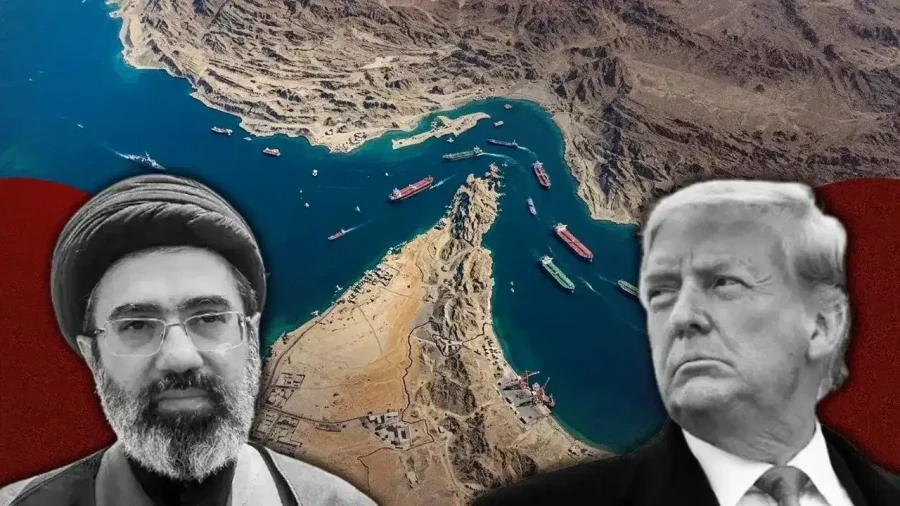
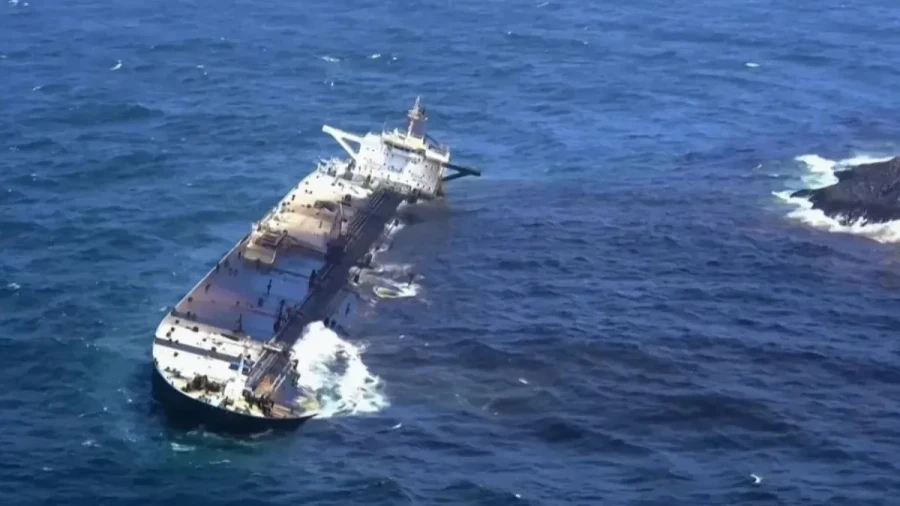
Tensions have flared up once again in the Strait of Hormuz as Iranian forces launched missile attacks on two commercial vessels passing through the strategic waterway, while according to US officials, the incident occurred on Monday night, marking a significant escalation in the region. The timing of the attack is particularly critical as it took place immediately after the expiration of a one week agreement between the United States and Iran aimed at halting such hostilities. While both vessels sustained damage during the strikes, officials have confirmed that there were no casualties reported among the crew members.
Threat to Diplomatic Agreements
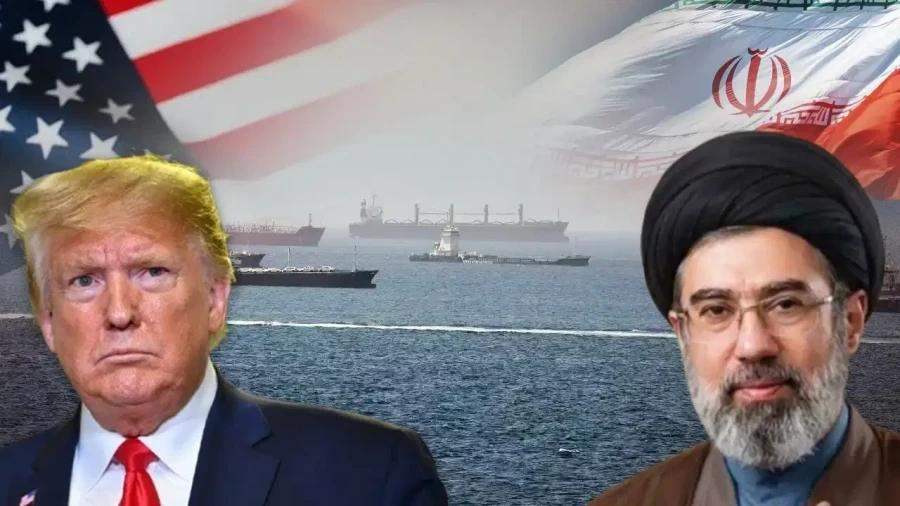
The recent missile strikes have cast a dark shadow over the diplomatic progress made between Washington and Tehran. US officials expressed grave concerns that these actions could jeopardize the 14 point Memorandum of Understanding (MoU) signed approximately three weeks ago. The sudden resumption of hostilities suggests a breakdown in the fragile understanding reached between the two nations, while there is now growing speculation that the United States may consider retaliatory strikes against Iranian positions in response to these unprovoked attacks on commercial shipping lanes.
Reports from Maritime Authorities
The United Kingdom Maritime Trade Operations (UKMTO) provided further details on the incident, stating that it received a report on Monday regarding an attack on an oil tanker. The vessel was traveling south near the coast of Oman when it was struck by an unidentified missile or projectile, which resulted in a fire breaking out on board. A US official later confirmed that a second commercial ship was also targeted by Iranian missiles. Although both ships suffered extensive damage, the safety of the crew members remains a positive outcome in an otherwise volatile situation.
Targeting of Qatari LNG Tanker
Reports from The Wall Street Journal have identified one of the affected vessels as the Al Rekayyat, a Liquefied Natural Gas (LNG) tanker belonging to Qatar. The ship is operated by Nakilat, Qatar's premier LNG shipping company. This development is particularly significant as it follows indirect talks held last week in Doha, the capital of Qatar, between US and Iranian representatives. Those discussions reportedly ended without achieving any major breakthrough, and the subsequent attack on a Qatari vessel adds a complex layer to the regional dynamics.
Warning Audio and Impact of the Strike
Evidence of the intent behind the attacks has emerged through a reported audio recording. In the recording, members of Iran's Islamic Revolutionary Guard Corps (IRGC) can allegedly be heard issuing warnings to the vessels, stating that their missiles and drones were prepared for an assault. According to radio messages, the missile strike on the Al Rekayyat occurred above the engine room on the port side, leading to smoke and fire. Despite the intensity of the strike, all crew members on the vessel were reported to be safe, while the Strait of Hormuz remains one of the world's most vital maritime trade routes, handling a vast portion of global oil and gas supplies. The resumption of attacks in this corridor has raised immediate alarms regarding global energy markets and the broader security of West Asia.