
- India,
- 07-Jun-2026 11:29 PM IST



The geopolitical landscape of West Asia has reached a critical juncture as the 60 day deadline issued by Donald Trump to Iran has come to an end. According to a report by Al Arabiya, the window for diplomacy has effectively closed, and Tehran has been sent a clear message that negotiations won't be extended any further. As this deadline approached its final hours, military activities in the region saw a significant surge, signaling that the situation is at a delicate turning point, while the Strait of Hormuz, a vital maritime artery, has become the center of this escalating tension, with Iranian speedboats, US military surveillance, and drone interceptions creating a volatile atmosphere. The question remains whether the two months of intense diplomacy will yield a last-minute agreement or if the decision will be made on the battlefield within the next 24 hours.
The Rise of the Mosquito Fleet in Hormuz
0 have been ignited in the Strait of Hormuz, and this time, the initiative appears to have been taken by Iran. Recent satellite imagery and reports from the ground indicate that the Islamic Revolutionary Guard Corps (IRGC) has deployed a massive fleet of attack boats, signaling a high state of combat readiness. Approximately 80 speedboats associated with the IRGC Navy have been spotted patrolling the waters in and around the Strait of Hormuz. This deployment is seen as a direct response to previous claims by Donald Trump, who had asserted that the Iranian Navy was 100 percent destroyed in earlier US strikes. The presence of this formidable fleet, which Iran refers to as its Mosquito Fleet, challenges that narrative and demonstrates a significant naval capability.
Technical Capabilities of Iran's Naval Assets
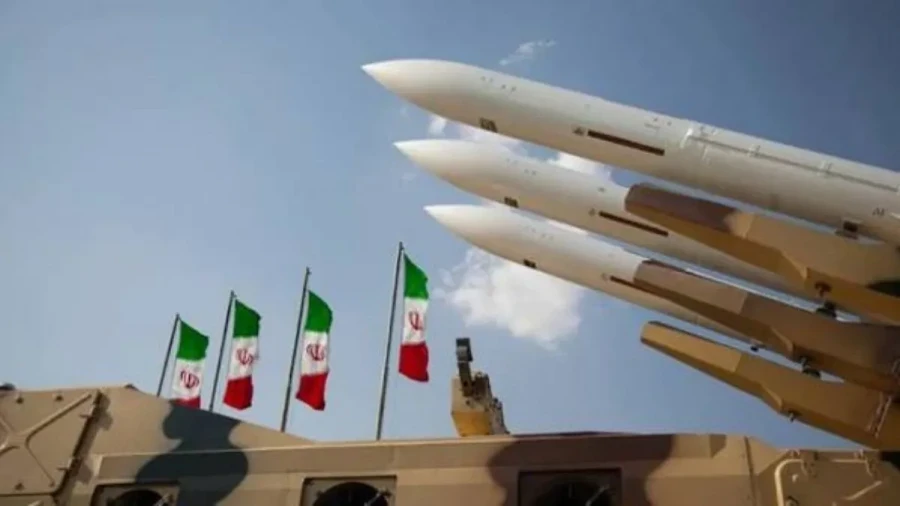
The Mosquito Fleet isn't merely a collection of small boats; it's a sophisticated naval force designed for asymmetric warfare, while these boats are equipped to target fighter jets, drones, and even helicopters. Specifically, the Rajab model boats are capable of reaching speeds of 185 km/h and can carry 2 cruise missiles. Despite their small size, they're capable of launching missiles with a range of 700 km. The fleet is armed with various missile systems, including the Nasr, Kowsar, Ghadir, and Jafar missiles. Most recently, Iran has equipped these boats with Abu Mahdi missiles, which boast a range of 1000 km. Plus, the IRGC utilizes the Shahid Soleimani ship, which operates with four engines at a speed of 59 km/h. This vessel features a specialized crane system that can launch dozens of speedboats simultaneously, allowing for multi-front attacks that could potentially overwhelm US naval defenses.
US Military Response and CENTCOM Claims
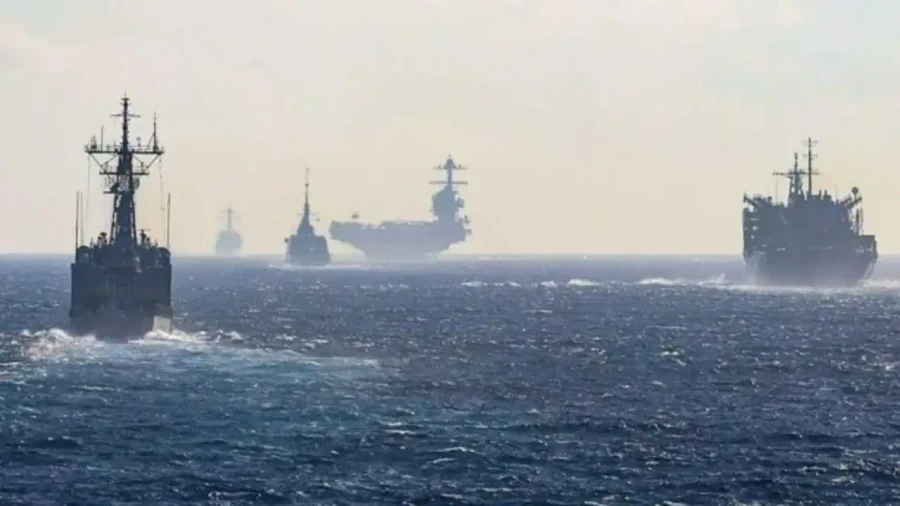
In response to the increased Iranian activity, the United States has intensified its surveillance and defensive measures. US Central Command (CENTCOM) recently claimed to have shot down at least 2 Iranian one-way attack drones over the Strait of Hormuz. According to CENTCOM, these drones posed a direct threat to international maritime traffic and were targeted in self-defense. The skies over West Asia are also being monitored by US Air Force F-35A stealth fighter jets, while warships remain stationed in the sea. The presence of 80 Iranian attack boats, all armed for combat, is viewed by Washington as a serious provocation, especially as the diplomatic deadline expires. The US military remains on high alert, monitoring every movement in the strait to prevent any disruption to global trade routes.
A Timeline of Escalation: From February to June
The current crisis is the culmination of two months of intense military and diplomatic friction, while the timeline of escalation began on February 28 during Operation Epic Fury, which saw over 900 major airstrikes against Iranian targets, pushing regional tensions to their peak. On April 7, a temporary ceasefire was agreed upon for two weeks. This was followed by an attempt at a diplomatic solution in Islamabad on April 11. Despite 21 hours of continuous negotiations on the night of April 12-13, no major agreement was reached. By April 14, the US increased maritime pressure by initiating a naval blockade. Throughout May, efforts were made to draft a deal, but the issue of 24 billion dollars in frozen Iranian assets became a major hurdle. Between June 1 and June 5, military confrontations resumed, with missile attacks on US bases in Kuwait and Bahrain, and the US retaliating by destroying Iranian radar installations on Qeshm Island and Sirik. Now, as of June 7, 2026, the 60 day deadline has reached its final stage.
The Role of Pakistan and the Final Warning
Amidst this high-stakes tension, a sudden diplomatic move by Pakistan has drawn international attention. Pakistan's Interior Minister Mohsin Naqvi arrived in Tehran to meet with Iranian Interior Minister Eskandar Momeni. Naqvi reportedly carried a special message from Pakistan's Army Chief Asim Munir and Prime Minister Shehbaz Sharif, while while the exact contents of the message have not been disclosed, it's widely believed to be related to the current crisis. Speculation suggests that Pakistan may be acting as a messenger for Trump, urging Iran to accept the terms of the deal to avoid large-scale military strikes. As the final 24 hours of the deadline tick away, the world watches to see if this last-ditch diplomatic effort can prevent the outbreak of a full-scale war.