
- India,
- 23-Jul-2026 02:59 PM IST



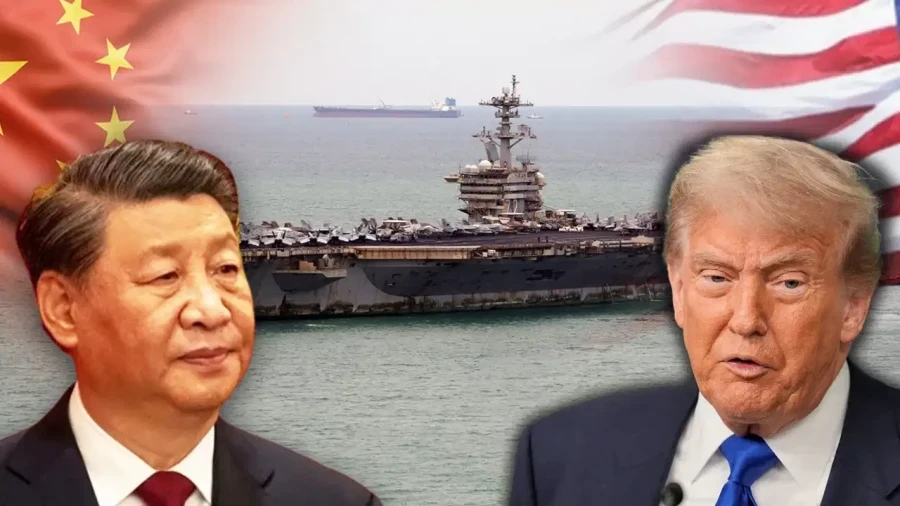
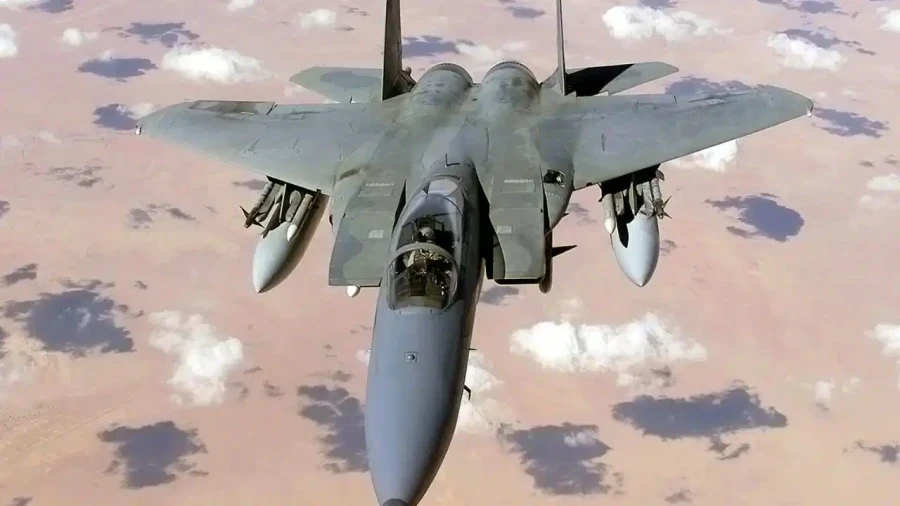
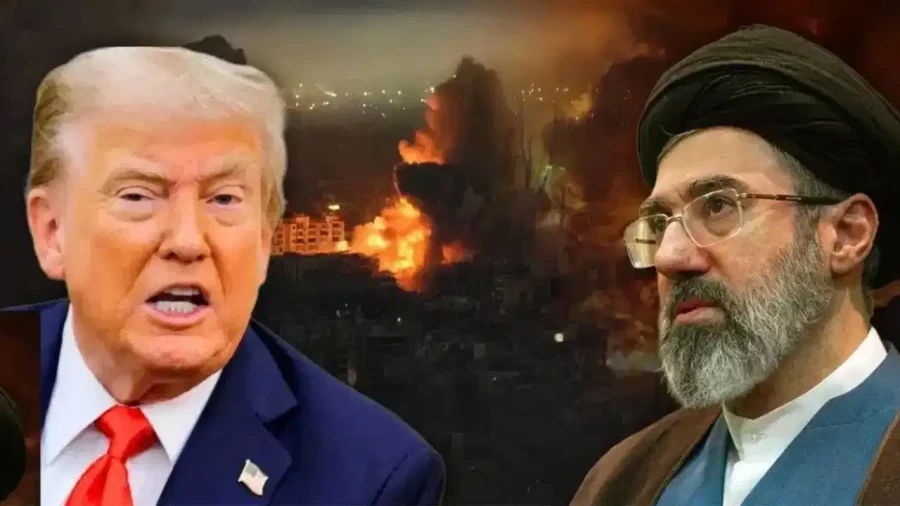
The military confrontation between the United States and Iran has escalated Importantly as American forces continued their aerial bombardment for the 12th consecutive day. This sustained military campaign follows a direct warning issued by US President Donald Trump on July 22, where he signaled a shift in strategy toward targeting Iran's critical civilian and basic infrastructure. The latest wave of attacks has struck multiple urban centers across Iran, marking a period of intense destruction and rising human costs.
Targeted Cities and Casualties
According to reports from Iranian state media, the US military focused its missile strikes on areas surrounding several key cities in western Iran. The cities of Ahvaz, Ramshir, and Andimeshk were among the primary targets of the American missiles. The intensity of the strikes has led to significant damage in these regions. Specifically, in the city of Shalamcheh, the American assault resulted in the loss of 2 lives, further heightening the humanitarian concerns surrounding this ongoing conflict.
US Central Command Objectives
Following the strikes on Tehran and other regions, the US Central Command released an official statement explaining the rationale behind the military action. The command stated that the primary objective of these attacks is to further degrade Iran's military capabilities. By doing so, the US aims to eliminate the threats posed by Iran to civilian sailors and commercial vessels navigating the international waters of the region. A major focus of the operation is to regain control over the Strait of Hormuz and ensure the restoration of international shipping routes that are vital for global trade.
Trump's Warning and Infrastructure Policy
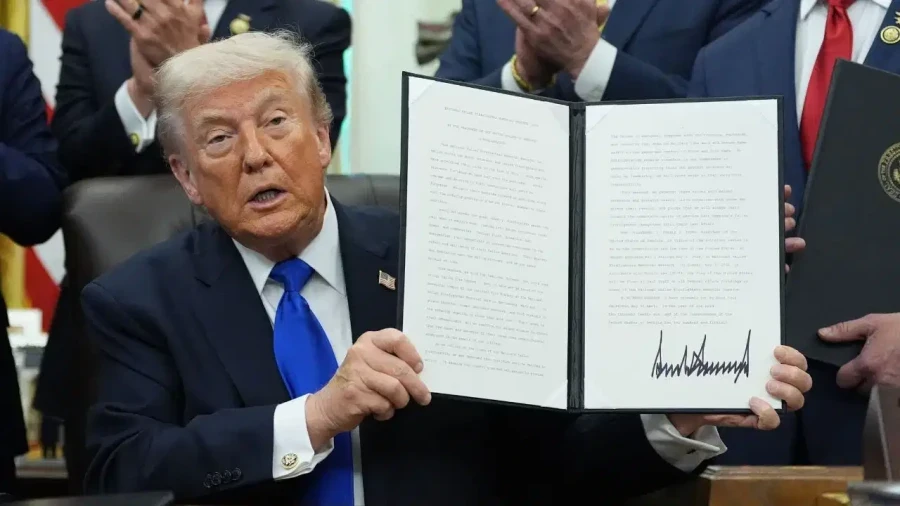
The escalation can be traced back to a series of warnings issued by President Donald Trump, while on Wednesday, July 22, Trump utilized his Truth Social media platform to send a clear message to the Iranian leadership. He declared that for every action taken by Iran against maritime traffic, there would be a severe and disproportionate response. Trump specifically stated that whenever Iran fires upon a ship in the Strait of Hormuz—whether using missiles, rockets, drones, or any other weaponry—the United States will respond by destroying a bridge or a power plant within Iran.
Iran's Tit-for-Tat Response
In response to the threats from the American presidency, Iran's Foreign Minister, Seyed Abbas Araghchi, articulated a defensive policy based on reciprocity. Posting on the social media platform X, Araghchi warned that Iran would adopt a tit-for-tat strategy. He emphasized that any act of aggression against Iran, particularly those targeting the nation's infrastructure, would be met with a powerful and decisive response from the Iranian military forces.
Destruction of Critical Infrastructure
The conflict has now entered a phase where both nations are actively targeting each other's civilian and basic infrastructure. The United States has successfully targeted and destroyed power plants, bridges, and desalination plants within Iranian territory, while in a retaliatory move, strikes have also been reported on desalination plants in Kuwait and Qatar, which are responsible for converting seawater into fresh water. This expansion of targets indicates a broadening of the conflict beyond purely military installations.
Global Economic Impact and Oil Prices
The closure and instability of the Strait of Hormuz have sent shockwaves through the global economy. The situation is further complicated by new threats from Iran-backed Houthi rebels in Yemen, who have signaled their intent to target Saudi vessels in the Red Sea. This puts another critical trade route at risk. Consequently, the price of Brent crude oil has surged to over 93 dollars per barrel. This is a sharp increase from the beginning of the month when prices were below 72 dollars per barrel, a level that was close to pre-war figures. The rising cost of crude oil is directly contributing to the increase in petrol and diesel prices worldwide.
The Financial and Human Cost for the US
The war is also taking a heavy toll on the United States, both financially and in terms of human lives. On July 22, the bodies of 4 American soldiers were brought back to Dover Air Force Base. Also, during a Senate hearing, Defense Secretary Pete Hegseth provided a staggering estimate of the war's cost. 5 billion dollars in the conflict with Iran. This financial burden highlights the massive resources being diverted toward the ongoing military operations in the Middle East.