
- India,
- 07-Aug-2026 08:23 AM IST



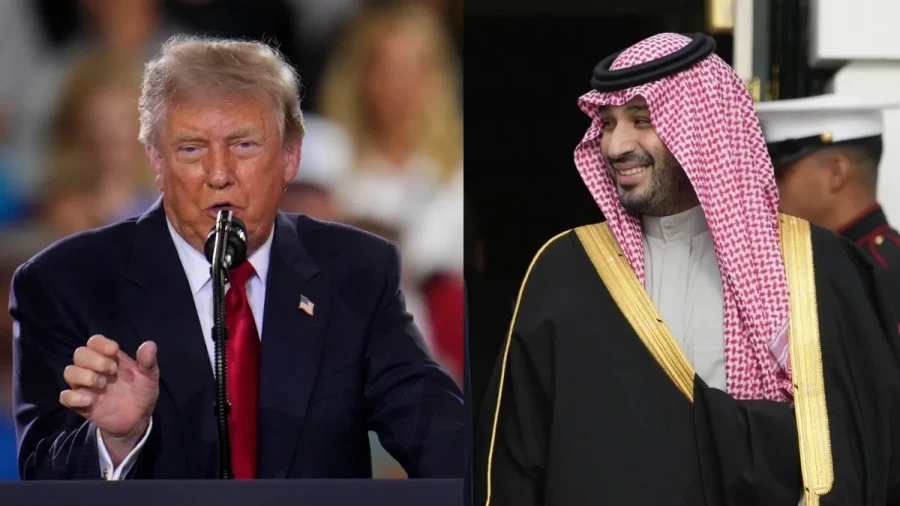
In a significant diplomatic development, Islamabad has come forward to clarify its position regarding its role in de-escalating tensions between the United States and Iran. S, while president Donald Trump, who lauded the efforts of various Gulf nations in fostering peace between Washington and Tehran but notably omitted any mention of Pakistan. The absence of Pakistan's name from the list of mediating countries sparked questions regarding Islamabad's relevance in the ongoing diplomatic process, prompting a formal response from the Pakistani leadership.
Pakistan's Continued Engagement with Both Sides
Addressing the concerns raised by the omission, Ambassador Tahir Andrabi, the spokesperson for Pakistan's Ministry of Foreign Affairs, asserted that Pakistan remains actively involved in the peace process. He emphasized that Islamabad is in constant communication with both the United States and Iran. According to Andrabi, the diplomatic landscape is complex, and different nations often take the lead on specific issues. However, he maintained that Pakistan's efforts, alongside those of Qatar and other regional partners, are part of a well-coordinated and collective endeavor to ensure regional stability, while s. President doesn't diminish the ground-level diplomatic work being carried out by Pakistan.
The Distinction Between Mediation and Facilitation
During a press briefing, a journalist pointed out that President Trump had specifically praised the role of Gulf countries in peace efforts while ignoring Pakistan, while in response, Andrabi explained the nuances of Pakistan's involvement. He stated that Pakistan is playing its part and continues to hold discussions with the relevant parties. S. and Iran were particularly focused on the standoff involving the Strait of Hormuz. In such volatile situations, Andrabi argued, a facilitating role that opens channels of communication and moves toward a solution is often more critical than formal mediation.
Strategic Role Beyond Single Incidents
The Pakistani Foreign Ministry spokesperson further elaborated on the nature of diplomatic intervention. He noted that formal mediation is typically required for resolving long-standing issues that necessitate continuous and prolonged negotiations. Conversely, in the face of sudden standoffs and acute crises, the role of a facilitator who can advance dialogue becomes paramount. He insisted that Pakistan's role isn't limited to a single event or incident. While Pakistan can act as a mediator for long-term issues, its primary objective during sudden crises is to ease the path for dialogue and prevent further escalation.
Collaboration with Qatar and Oman
Tahir Andrabi also touched upon the collaborative efforts between Pakistan and other regional players, specifically mentioning Qatar. He pointed out that Pakistan's role can be seen within the framework of joint efforts with Qatar and proposed technical-level discussion structures, while these efforts involve partnerships with several friendly nations. Plus, the spokesperson lauded the role of Oman, noting its positive and commendable contributions as a country closely linked to the Strait of Hormuz and the Gulf region. He concluded by stating that Pakistan would continue these efforts in coordination with its allies and partner countries to maintain peace in the region.