
- India,
- 14-Aug-2026 05:07 PM IST



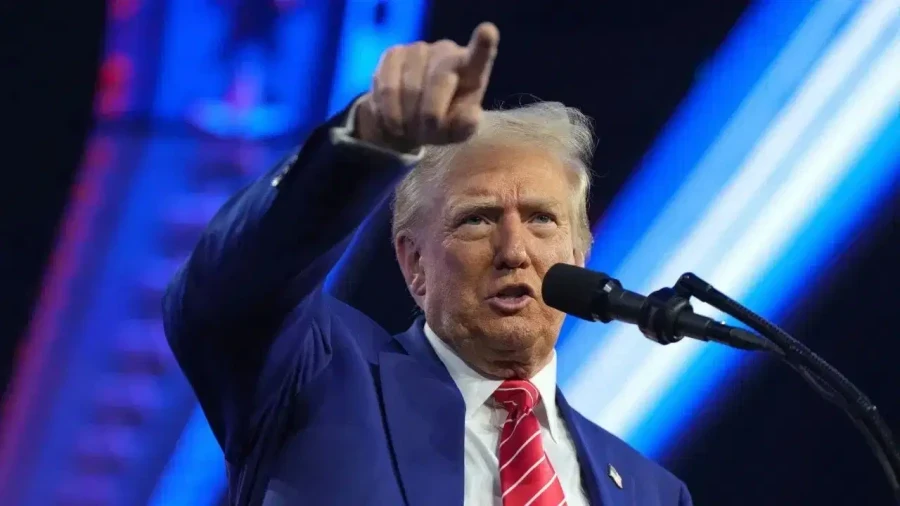
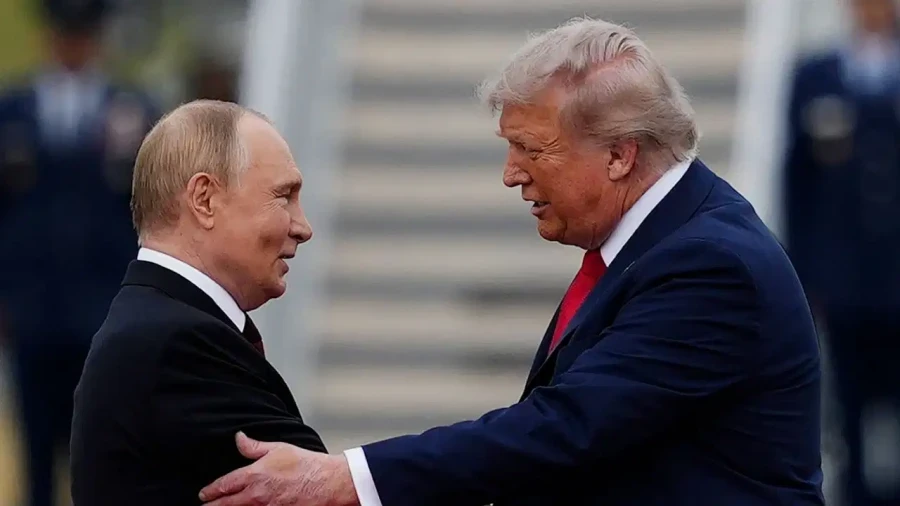
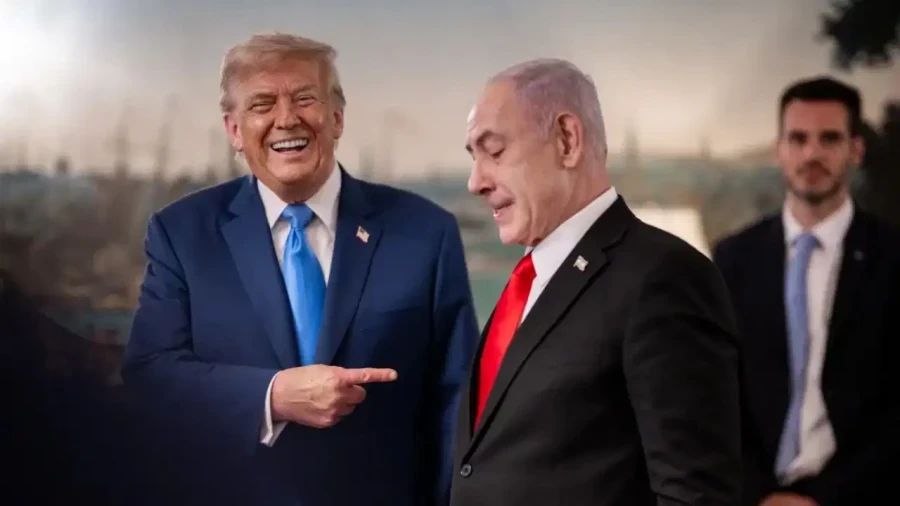
In a significant shift in international political dynamics, US President Donald Trump has reportedly decided to withdraw his support for Israeli Prime Minister Benjamin Netanyahu ahead of the upcoming general elections in Israel. While Trump had initially hinted in June 2026 that he might back Netanyahu, two months have passed without any formal announcement. Reports suggest that the President's change of heart is directly linked to recent pre-poll surveys that paint a bleak picture for the incumbent Prime Minister's political future.
The Washington Meeting and Netanyahu's Silence
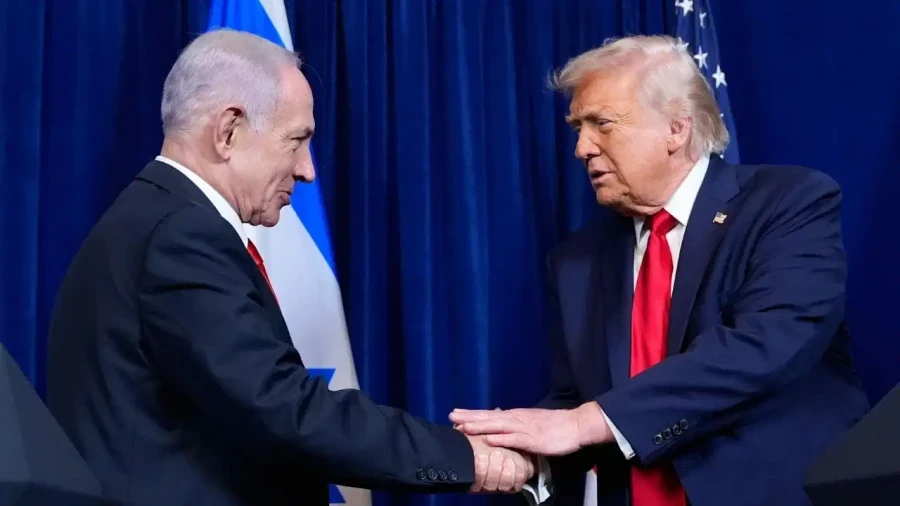
According to reports from the American media outlet Axios, the tension became palpable during Netanyahu's recent visit to Washington. In a closed-door meeting at the White House, President Trump directly questioned Netanyahu about his electoral prospects. " To this, Netanyahu remained silent, failing to provide a confident affirmative response. While other officials present in the meeting attempted to bridge the gap by suggesting that Netanyahu could still secure a victory, the Prime Minister's own hesitation left a lasting impression on the US President. This interaction served as a precursor to the message later delivered by the White House, indicating that Trump wouldn't be endorsing him for the general elections scheduled for October 2026.
Pre-Poll Surveys and Rising Rivals
The primary driver behind Trump's decision appears to be the data coming out of Israel. Multiple pre-poll surveys conducted in the country show Netanyahu trailing Notably, while currently, Netanyahu is far from reaching the 61 votes required to form a government. In contrast, other political figures such as Eisenkot, Yair Lapid, and Naftali Bennett are seeing a surge in popularity, while several surveys have identified Eisenkot as the most popular candidate for the Prime Minister's post, leaving Netanyahu trailing behind all major contenders. Trump, wary of going against the public sentiment in Israel, is reportedly concerned that supporting a losing candidate could damage his own political standing and future influence.
Policy Disagreements and Personal Friction
While Trump has expressed personal liking for Netanyahu in the past, he has also been a vocal critic of his policies, while trump has gone as far as to suggest that if he wished, "Bibi" (Netanyahu's nickname) would be ruined. A major point of contention is Netanyahu's policy regarding Lebanon, which Trump doesn't favor, while conversely, Netanyahu has not shown support for Trump's Gaza peace plan. This lack of alignment on critical regional issues has further strained the relationship. On top of that, rivals like Eisenkot, Lapid, and Bennett have reportedly urged the White House to maintain a neutral stance in the Prime Minister's race to ensure a fair progression of diplomatic relations.
Trump's Track Record of Failed Endorsements
Another factor influencing this cautious approach is Trump's recent track record with international endorsements. In the Hungarian elections, Trump backed Viktor Orban, even sending US Vice President JD Vance to campaign for him and providing an audio address. Despite this high-profile support, Orban lost the election. Similarly, in Germany, Trump supported the AfD party, but Merz emerged victorious. Trump also faced disappointment in Canada, where his preferred outcomes didn't materialize, while given this poor track record, Trump is hesitant to back Netanyahu; a loss for Netanyahu after a Trump endorsement could have direct negative consequences for the future of US-Israel relations.