
- India,
- 14-May-2026 02:02 PM IST



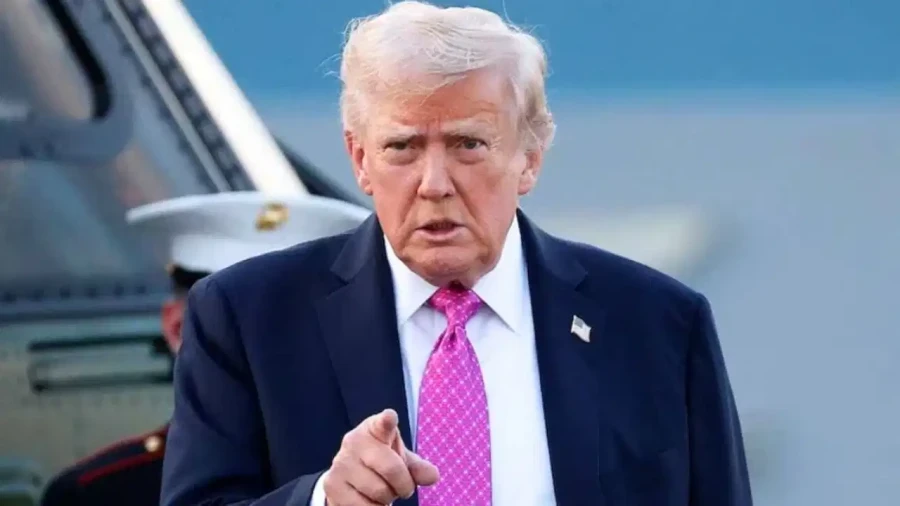
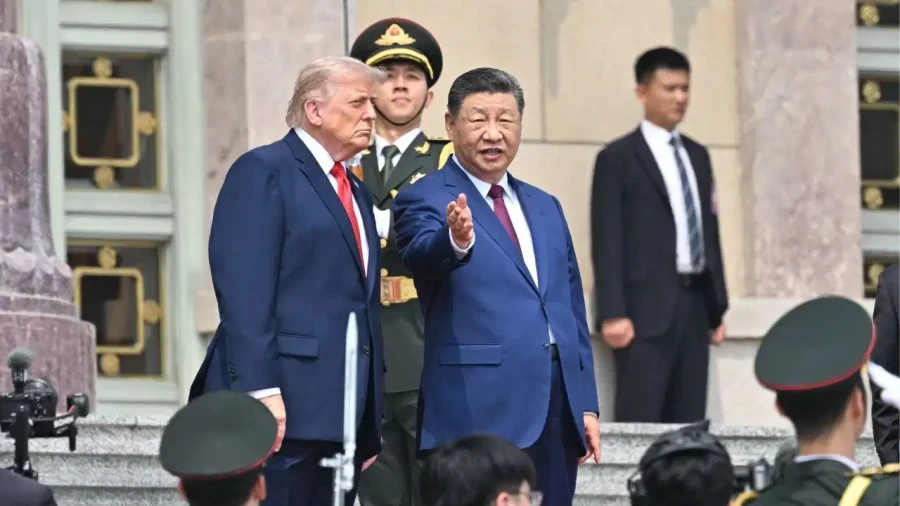
The high-stakes meeting between the world's two superpowers, the United States and China, in Beijing has sent ripples of concern across the globe. US President Donald Trump and Chinese President Xi Jinping are currently engaged in critical negotiations that could redefine international relations. President Xi is reportedly seeking a significant deal regarding Taiwan, a move that has placed at least five major nations—South Korea, Taiwan, Japan, the Philippines, and Australia—on high alert. These countries have historically maintained a staunch anti-China stance due to their strategic alliances with the United States. However, the prospect of a bilateral agreement between Trump and Xi is now causing significant anxiety among these key allies.
The Taiwan Dilemma and Security Risks in the Philippines
Taiwan finds itself at the center of this geopolitical storm. Its independence and security have long been bolstered by American support, but a potential shift in US policy could have devastating consequences, while according to a classified Pentagon intelligence report, there are concerns that China could launch an offensive against Taiwan by the year 2027. China considers Taiwan an inseparable part of its territory, while during the meetings in Beijing, Xi Jinping specifically raised the issue of US arms sales to Taiwan, urging the United States to become a partner rather than a competitor. If President Trump agrees to halt or reduce arms support to Taiwan as part of a broader deal, it could fundamentally alter the security dynamics of South Asia.
The Philippines is also facing a precarious situation. As a neighbor to China in the South China Sea, the Philippines is embroiled in long-standing disputes over several islands in the region. The nation relies heavily on the United States for military hardware and critical intelligence. According to reports from the Financial Times, the rivalry between China and the US has been the primary reason these nations have stood against Beijing. Any reconciliation or deal between the two superpowers could leave countries around the South China Sea vulnerable to increased Chinese influence and pressure.
Concerns for Japan, South Korea, and Australia
Japan and China share a history of intense rivalry, including a significant conflict around 1950. Today, Japan stands as one of the most formidable opponents of Chinese expansionism in the South China Sea, while this maritime region is vital for global commerce, with approximately 25 percent of world trade passing through its waters. Since Japan's defense is currently under the American security umbrella, any deal struck by Trump in Beijing could have direct and serious implications for Tokyo's national security.
South Korea is similarly feeling the heat from both Pyongyang and Beijing. Since 1950, South Korea's entire defense strategy has been built upon its alliance with the United States. However, tensions have surfaced as President Trump has expressed dissatisfaction with South Korea regarding the Hormuz issue. If a deal concerning weapons and regional influence is reached between Trump and Xi, South Korea fears its security interests might be compromised, while australia, another key player in the Indo-Pacific region, shares these fears. Having been a consistent opponent of China alongside the US, Australia now worries that a superpower deal could leave it strategically exposed.
Three Strategic Pillars of Trump's Beijing Visit
This visit marks Donald Trump's return to China after nine years, his last visit being in November 2017 during his first term.
As the negotiations continue in Beijing, the world remains on edge. Xi Jinping has emphasized that the US and China should be friends rather than rivals. However, for the five nations currently in tension, the cost of this friendship could be a significant shift in the balance of power. The outcome of these talks won't only determine the future of US-China relations but will also dictate the security landscape for Taiwan, Japan, South Korea, the Philippines, and Australia for years to come.