

- India,
- 03-Apr-2026 02:11 PM IST


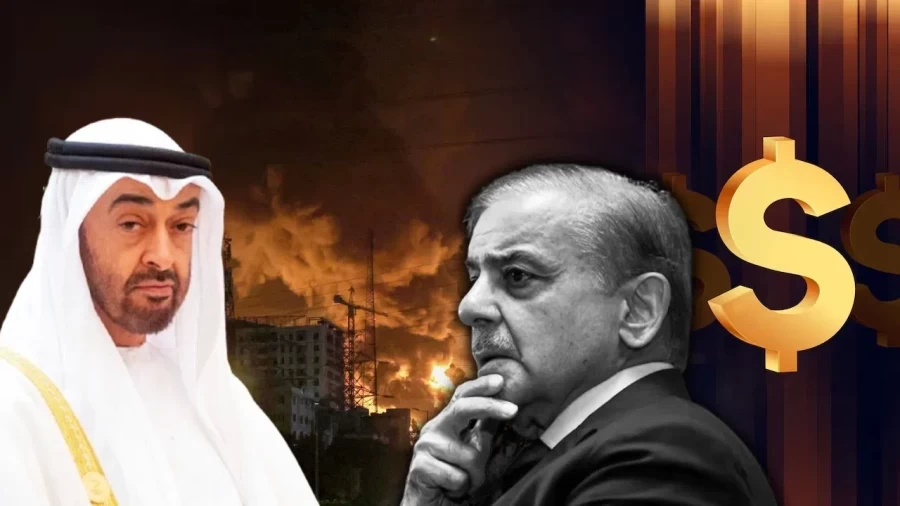
The United Arab Emirates (UAE) has issued a formal demand to Pakistan for the repayment of a $2 billion loan by April 17, 2025.5%. This development places immense financial strain on Pakistan at a time when it's navigating complex geopolitical tensions in the Middle East and seeking to stabilize its own economy.
Background of the Loan and Interest Hike
Pakistan originally secured the $2 billion loan from the UAE in 2018 to bolster its dwindling foreign exchange reserves. Under the initial terms, Pakistan was paying approximately $130 million in annual interest. 5%. The sudden demand for full repayment by mid-April follows a period of shifting diplomatic priorities in the region, leaving Islamabad with a narrow window to arrange the necessary funds.
Diplomatic Friction Over Middle East Conflict
The timing of the UAE's demand coincides with Pakistan's efforts to mediate between Iran and the US-Israel coalition, while while Pakistan has been engaging with nations like Turkey and Egypt to facilitate a ceasefire, the UAE's strategic stance appears to differ. Reports suggest that the UAE favors a more decisive approach toward Iran's regional influence, contrasting with Pakistan's push for immediate de-escalation. This divergence in foreign policy objectives is believed to be a contributing factor to the increased financial pressure from Abu Dhabi.
Russia Emerges as Primary Mediator
As Pakistan struggles to finalize a peace agreement between Washington and Tehran, Russia has stepped into the role of a primary mediator. Russian President Vladimir Putin has taken a direct interest in the Middle East crisis. Kremlin spokesperson Dmitry Peskov stated that Russia is committed to doing whatever is necessary to bring peace to the region. The entry of Moscow into the diplomatic fray has effectively sidelined Pakistan's earlier attempts to lead the mediation process.
US Conditions and JD Vance's Involvement
According to sources cited by Reuters, US Vice President JD Vance recently held discussions with Pakistani intermediaries regarding the Iran conflict, while under the direction of President Donald Trump, Vance reportedly indicated that the US administration is open to a ceasefire, provided certain conditions are met. A primary requirement includes the reopening of the Strait of Hormuz. Pakistan’s role in communicating these demands has been complicated by its own internal economic challenges and the looming repayment deadline set by the UAE.
Impact on Pakistan's Economic Stability
The requirement to return $2 billion by April 17 poses a significant risk to Pakistan's financial stability. With the country already reliant on support from the International Monetary Fund (IMF), such a large and immediate outflow of capital could severely deplete its foreign reserves. The increased interest burden further exacerbates the situation, forcing the Pakistani government to seek alternative financing or negotiate for a potential extension amidst a tightening global credit environment.
