
- India,
- 03-Sep-2026 08:42 PM IST



The geopolitical landscape of the Middle East has been thrust into a state of severe turmoil as a full scale war has reportedly commenced between the United States and Iran. The conflict, which has seen a rapid escalation over the past few days, reached a tragic peak when a missile struck a wedding ceremony in the coastal town of Kuhestak, located near the strategic Strait of Hormuz. This incident has resulted in widespread devastation and a significant loss of civilian life, marking a dark chapter in the ongoing hostilities between the two nations, while the exchange of fire has not been limited to these two entities, as neighboring countries and regional allies have also been drawn into the fray, with air defense systems working overtime to intercept incoming threats.
Retaliatory Strikes and Regional Involvement
In response to recent American military actions, Iran launched a significant attack on Kuwait on Thursday. The early hours of Thursday morning were marked by the chilling sound of sirens echoing across Kuwait, signaling imminent danger. The Kuwaiti Ministry of Defense, communicating via the social media platform X, confirmed that their air defense systems were successfully deployed to intercept and neutralize missiles and drones during what they described as an act of open aggression by Iran, while this development follows reports from other US allies in the region, specifically Bahrain and Jordan, who stated that their own air defense systems had intercepted multiple Iranian aerial attacks on Wednesday. The coordinated nature of these interceptions highlights the high state of alert across the region as the conflict broadens.
The Catalyst: Sunday Incident at the Strait of Hormuz
The current wave of intense fighting can be traced back to an incident on Sunday when the United States military conducted a targeted strike on an island within the Strait of Hormuz. The primary targets of this operation were Iranian rocket launchers. According to US military officials, the strike was a preemptive measure, as they had gathered intelligence suggesting that Iran intended to use these launchers to deploy naval mines within the vital waterway. The Strait of Hormuz is a critical corridor for global oil shipments, and any attempt to mine the area is viewed as a direct threat to international maritime security. Following this Sunday strike, the level of military engagement between the US and Iran has seen a sharp and dangerous increase throughout the week.
Tragedy at the Wedding Ceremony in Kuhestak
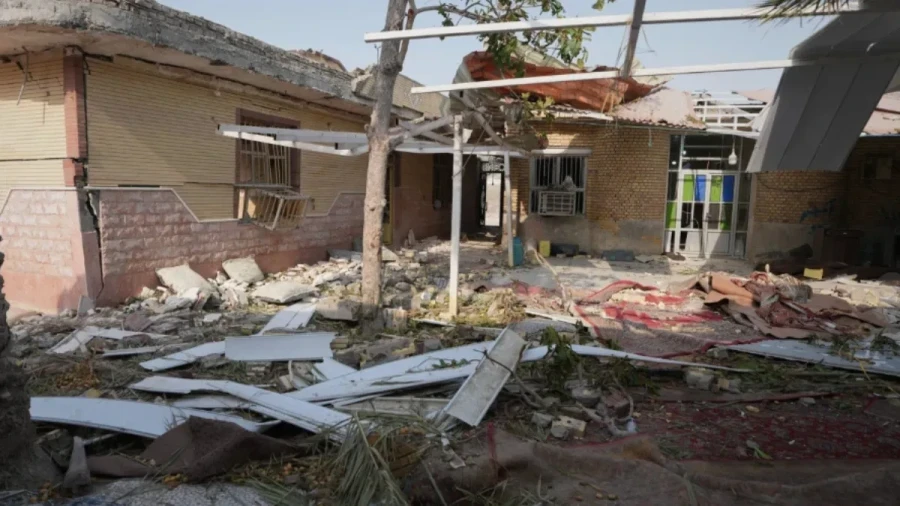
The most harrowing report to emerge from this conflict involves a missile strike on a residential home in Kuhestak, a small coastal town situated near the Strait of Hormuz. Iranian state media, including the official news agency IRNA and state television, reported on Wednesday that the house was hosting a wedding ceremony when it was hit. The celebration, intended to mark the marriage of a fisherman's daughter, turned into a scene of horror as the missile caused catastrophic damage. According to official reports, the strike claimed the lives of 4 people, including 2 women and 2 children. The children were identified as being 4 and 16 years old. In addition to the fatalities, at least 68 people sustained various injuries, with some reports suggesting the number of injured exceeds 60.
Visual Evidence and Humanitarian Impact
Images released by the semi official Iranian news agency Fars provided a grim look at the aftermath of the strike. The photographs showed a severely damaged house with a large hole in the roof, surrounded by piles of rubble and the scattered personal belongings of the wedding guests, while the air was filled with the cries of the survivors as they grappled with the sudden destruction of what was supposed to be a joyous occasion. Human rights groups and local media outlets have corroborated these accounts, emphasizing the heavy toll on civilians. Plus, another strike was reported on a nearby communication tower, which tragically resulted in the death of another child, further adding to the civilian casualty count in the region.
US Military Response and Ongoing Investigations
In the wake of these reports, the United States military has acknowledged the situation. Captain Tim Hawkins, a spokesperson for the US Central Command, stated that the military is currently looking into the reports regarding the strike on the wedding ceremony. However, at this stage, Captain Hawkins didn't provide specific details on whether a formal investigation has been officially launched into the incident, while the US military maintains that its recent operations in southern Iran have been focused on strategic targets. According to military statements, the latest round of American bombardment was designed to neutralize Iranian air defenses, radar systems, and various maritime assets to diminish their offensive capabilities.
Escalation in Southern Iran
The town of Kuhestak and the surrounding areas in southern Iran have become the focal point of intense military activity. On Tuesday, massive explosions were reported along the shores of the Strait of Hormuz. Security footage obtained and shared by the Fars news agency captured the night sky being illuminated by bright fireballs, a testament to the intensity of the ongoing bombardment. The US military has confirmed that these strikes are part of a broader effort to target Iranian military infrastructure. As both sides continue to exchange fire, the international community remains deeply concerned about the potential for further escalation and the mounting civilian cost of this renewed conflict between Washington and Tehran.