
- India,
- 22-Jun-2026 12:26 AM IST



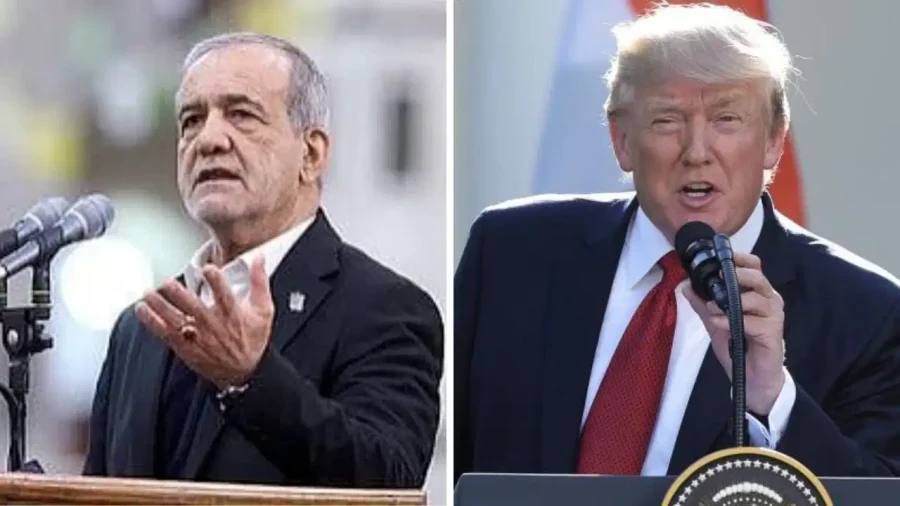
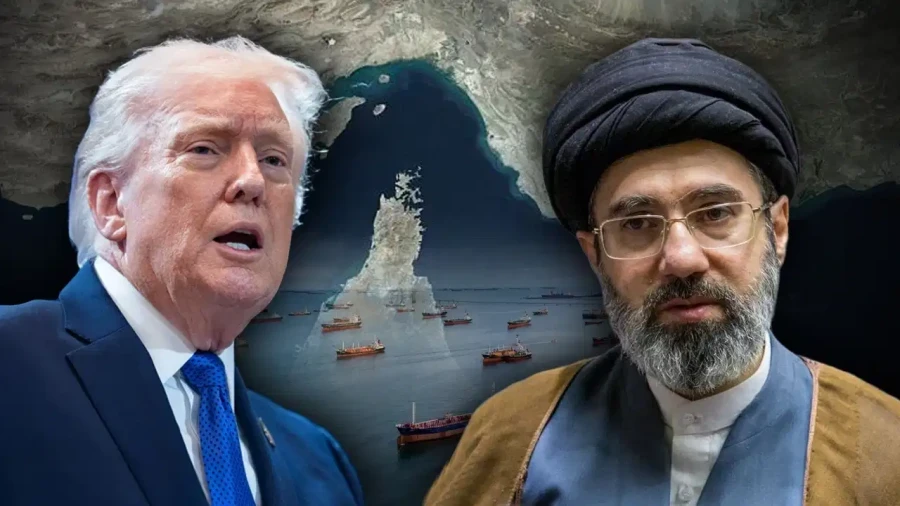
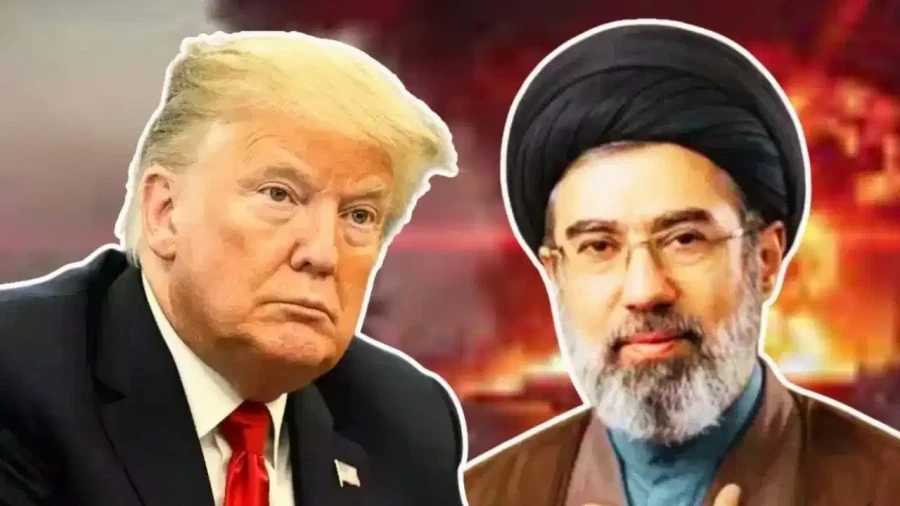
The serene landscapes of Switzerland, usually a symbol of neutrality and peace, are currently enveloped in a thick layer of diplomatic suspense as high stakes negotiations between the United States and Iran hit a significant roadblock. While the world anticipated a potential breakthrough to end the long standing hostilities, the escalating conflict in Lebanon has cast a dark shadow over the peace talks. According to reports from the Tasnim News Agency, the Iranian delegation has reportedly exited the Switzerland peace talks following threats from Donald Trump. The Iranian representatives have made their position crystal clear: no further progress can be made on any deal until the issue of Lebanon is resolved.
The Diplomatic Standoff and Trumps Pressure Tactics
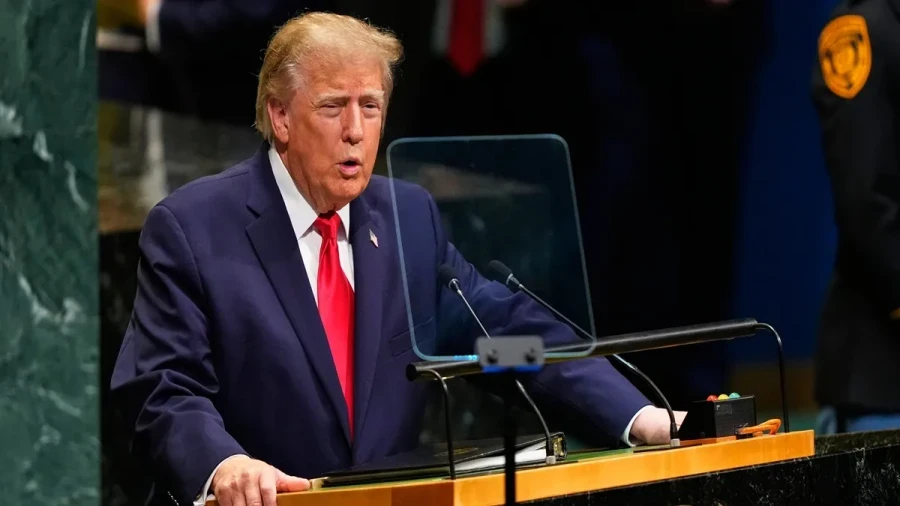
The atmosphere in Switzerland is far from peaceful as both nations maintain their rigid stances. Donald Trump has adopted a strategy of extreme pressure, while Iran has countered with provocative diplomacy. The US delegation, led by Vice President JD Vance along with Trumps special envoys Jared Kushner and Steve Witcoff, has taken a firm position. Trump has issued a stern ultimatum, indicating that a deal must be reached within 60 days. Failure to comply with this timeline would result in the US taking lethal steps. This isn't merely a verbal threat, as evidenced by the deployment of heavy B-1 and B-52 bombers at British airbases, signaling that the military option remains active and ready.
Irans Counter Strategy and the Hormuz Threat
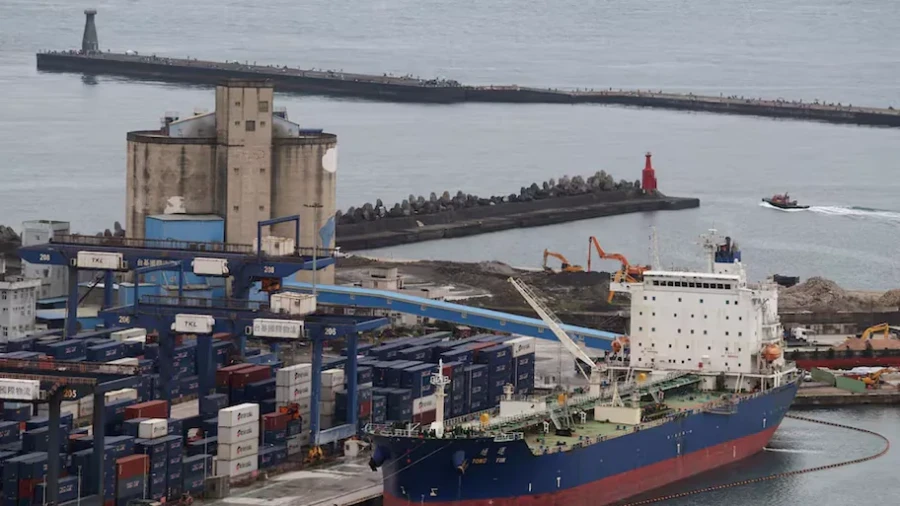
On the other side of the table, Iran is playing a complex game of Good Cop Bad Cop. While Foreign Minister Abbas Araghchi and Parliament Speaker Mohammad Qalibaf are present in Switzerland for negotiations, the Islamic Revolutionary Guard Corps (IRGC) has issued its own set of warnings. The IRGC has declared that the Strait of Hormuz will remain closed as long as attacks on Lebanon continue. This move effectively uses the strategic waterway as a weapon of war. Interestingly, while the Iranian military is vocal about these threats, the government remains silent on this specific issue, suggesting a potential internal conflict or a highly coordinated diplomatic maneuver.
Symbolism and the Shadow of the Past
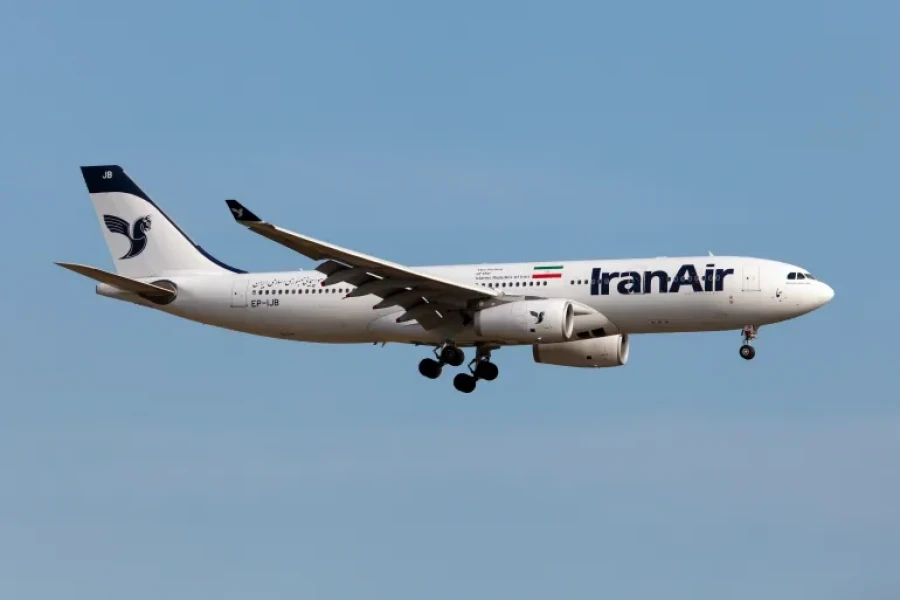
The tension is further amplified by the symbolic choices made by the Iranian delegation. The aircraft that carried the Iranian representatives to Switzerland bore the inscription Minab 168. This is a direct and poignant reference to a past attack on a school in Minab, where 168 children lost their lives. By arriving in such a vessel, Iran is signaling that it has not forgotten past grievances and isn't entering these talks from a position of weakness or submission. It serves as a reminder that they're prepared to look the US representatives in the eye without flinching under pressure.
The Role of Mediators and the Path Forward
Despite the friction, the infrastructure for peace remains in place. Mediators from Pakistan and Qatar have established their presence in Switzerland to facilitate communication between the two warring sides. On top of that, the United Nations is represented by Rafael Grossi, the Director General of the IAEA, who is participating in the deal making process, while the files opened on this table will ultimately determine the future of Western Asia. However, with the IRGCs ultimatum regarding Lebanon and the Strait of Hormuz, and Trumps 60 day deadline, the success of these talks remains highly uncertain. The world watches as the pieces on this diplomatic chessboard move, wondering if a deal can truly be struck amidst such deep seated animosity and active military posturing.