
- India,
- 12-May-2026 07:55 AM IST



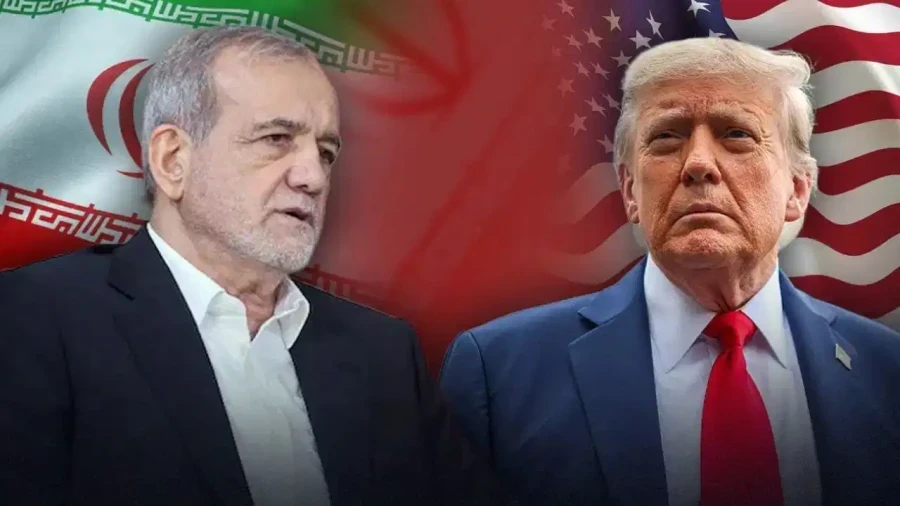
In a significant escalation of economic pressure, the United States has announced new sanctions targeting 12 individuals and entities linked to Iran. S. President Donald Trump’s scheduled visit to Beijing on May 13. During this high-profile visit, President Trump is slated to hold extensive discussions with Chinese President Xi Jinping. S, while administration has explicitly stated that these sanctioned parties were instrumental in facilitating the transport and sale of Iranian oil to international markets, specifically targeting buyers in China.
Treasury Department’s Findings on IRGC Operations
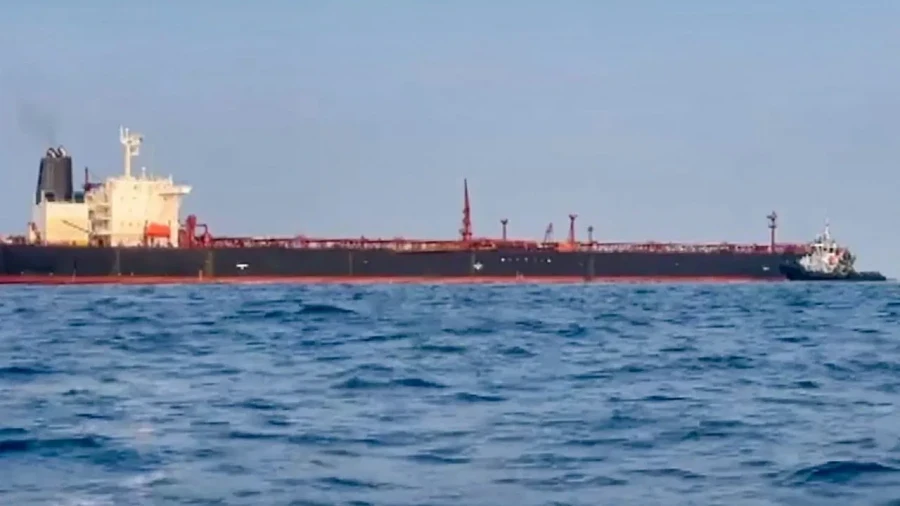
S. Department of the Treasury released a detailed statement on Monday regarding the mechanics of these operations. According to the department, Iran’s Islamic Revolutionary Guard Corps (IRGC) utilizes a sophisticated network of shell or "front" companies established in various international jurisdictions to conduct oil sales. These entities are designed to mask the Iranian origin of the petroleum products, allowing the regime to bypass international sanctions. The revenue generated from these clandestine sales is reportedly funneled back to the Iranian government to fund its military operations, nuclear programs, and other state activities, while s. believes that cutting off these financial lifelines is essential to curbing Iran's regional influence.
Sanctions on Hong Kong and UAE-Based Entities
The latest round of sanctions specifically targets 3 Iranian nationals and 9 companies based in Hong Kong and the United Arab Emirates (UAE).
The 'Economic Fury' Campaign and Strategic Goals
Washington’s move is a core component of its broader strategy to intensify economic pressure on Tehran. The primary objective is to deprive Iran of the financial resources necessary to sustain its weapons programs, nuclear activities, and support for various proxy organizations. S. Treasury Secretary Scott Bessent characterized this action as part of the ongoing "Economic Fury" campaign, while he emphasized that the United States will continue to apply and increase economic pressure on Iran until it fundamentally alters its destabilizing activities. This campaign represents a concerted effort to isolate Iran’s financial systems from the global economy and ensure compliance with international norms.
Impact on Global Oil Markets and the Strait of Hormuz
-Israel alliance are having a profound impact on the global energy market. Oil prices have seen a consistent upward trend, causing widespread economic concern across the globe. Adding to the volatility, Iran has effectively restricted access to the Strait of Hormuz, a vital maritime corridor for energy transport. This strait is a critical chokepoint for global energy security, as approximately 20% of the world’s total oil and gas supply passes through this narrow waterway. The potential for prolonged supply disruptions has led to significant anxiety regarding global energy prices and the stability of the supply chain.
China-US Relations and Historical Context
China remains Iran’s largest oil customer and a primary trading partner, making the Iranian issue a central theme for President Trump’s upcoming visit to Beijing. S, while is seeking greater cooperation from China to exert pressure on Tehran and reduce its oil exports. S. has targeted entities involved in such trade; previously, sanctions were imposed on three Chinese satellite companies and several Hong Kong-based firms, while s. had briefly eased some restrictions on Iranian oil in March due to global supply shortages, the administration has now reverted to a policy of maximum enforcement and increased stringency.
S. stance on Iranian oil exports, while the administration remains committed to ensuring that sanctions aren't circumvented through third-party intermediaries or front companies. As the May 13 meeting between Trump and Xi Jinping approaches, the impact of these sanctions and the broader issue of Iran’s regional role are expected to dominate the diplomatic agenda between the two superpowers.