
- India,
- 12-May-2026 09:43 AM IST



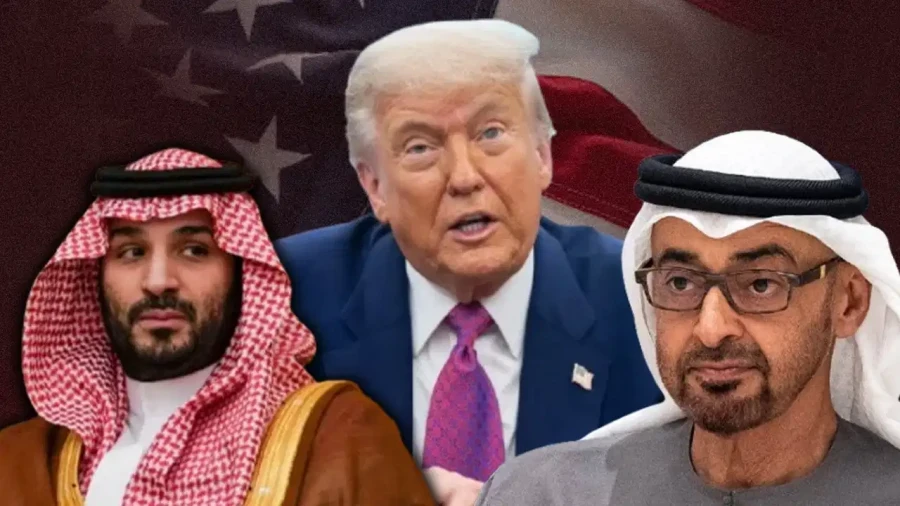
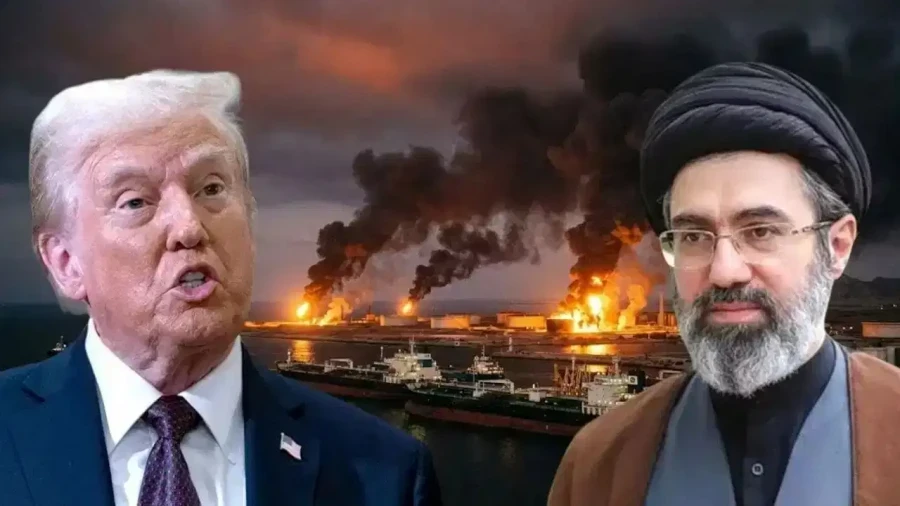
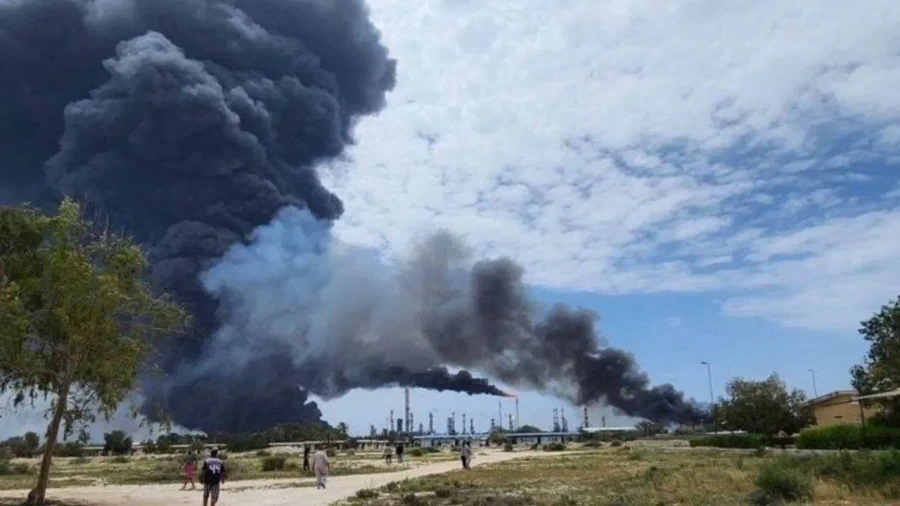
Amidst the escalating tensions between Iran, the United States, and Israel, the United Arab Emirates (UAE) has emerged as a significant player in the ongoing regional conflict. Recent reports have made the startling claim that the UAE has quietly conducted military strikes against Iran, adding a new and complex dimension to the Middle Eastern crisis. According to a detailed report by the Wall Street Journal, the UAE targeted a critical oil refinery located on Iran's Lavan Island. S. President Donald Trump was engaged in discussions regarding a potential ceasefire. This covert action has not only damaged Iran's energy infrastructure but has also fundamentally shifted the geopolitical landscape of the Gulf region.
The Lavan Island Strike and Its Immediate Aftermath
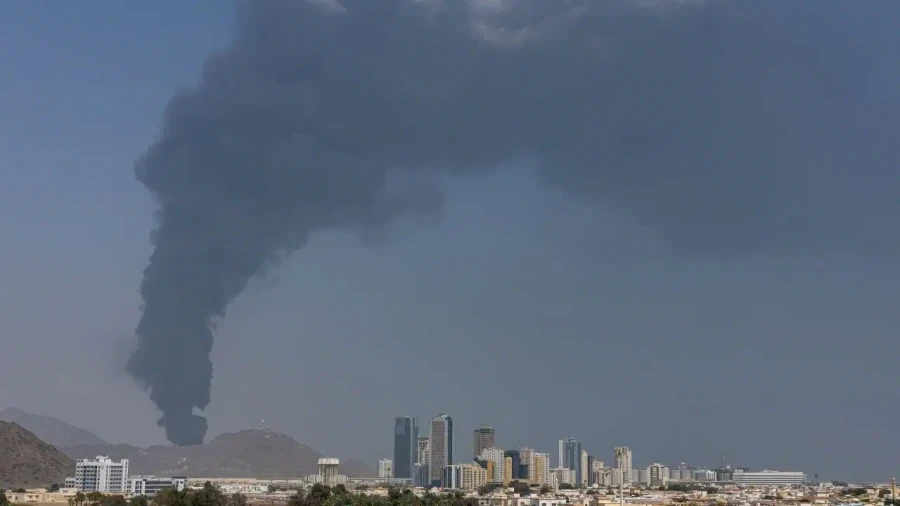
The consequences of the attack on the Lavan Island oil refinery were severe and immediate. Following the strike, a massive fire broke out within the refinery complex, engulfing a substantial portion of the facility. Due to the extensive damage, a major part of the refinery had to remain shut down for several months, directly impacting Iran's oil production capabilities and its broader economy. At the time, Iranian officials issued a statement acknowledging that the refinery had been attacked by an 'enemy' force. In retaliation for this strike, Iran adopted a highly aggressive posture, launching a series of missile and drone attacks directed toward the United Arab Emirates and Kuwait. According to reports, the United States wasn't displeased by these developments; instead, it quietly welcomed the military support provided by the UAE and other Gulf nations.
Iran's Retaliation and Damage to UAE Infrastructure
If the claims in these reports are accurate, it signifies that the United Arab Emirates has now become a direct participant in this regional war. Although the UAE has not publicly confirmed these strikes, its Ministry of Foreign Affairs issued a carefully worded statement asserting the country's right to respond to any attacks against it, noting that such responses could include military action. Defense experts view this as a monumental strategic shift. Previously, Gulf nations had maintained a firm stance that they wouldn't allow their airbases or airspace to be utilized for attacks against Iran, while however, the situation changed drastically once Iran began targeting Gulf nations directly. Reports indicate that Iran has launched over 2,800 missiles and drones at the UAE, causing significant economic damage to airports, energy installations, tourism, and the real estate sector.
Evidence of UAE's Military Involvement and Capabilities
The persistent attacks from Iran have led to a visible hardening of the UAE's position. The nation now perceives Iran as a primary threat to its national security and economic stability. Consequently, the UAE has Notably expanded its military cooperation with the United States. Discussions regarding the UAE's role in the conflict intensified in March when unidentified fighter jets were spotted in Iranian airspace. These aircraft were neither American nor Israeli. Independent researchers have claimed that the jets were French-made Mirage fighters and Chinese-manufactured Wing Loong drones. It's well-documented that both of these advanced weapon systems are integral components of the United Arab Emirates' Air Force arsenal, suggesting a direct link to the reported operations.
Diplomatic and Economic Crackdown on Iran
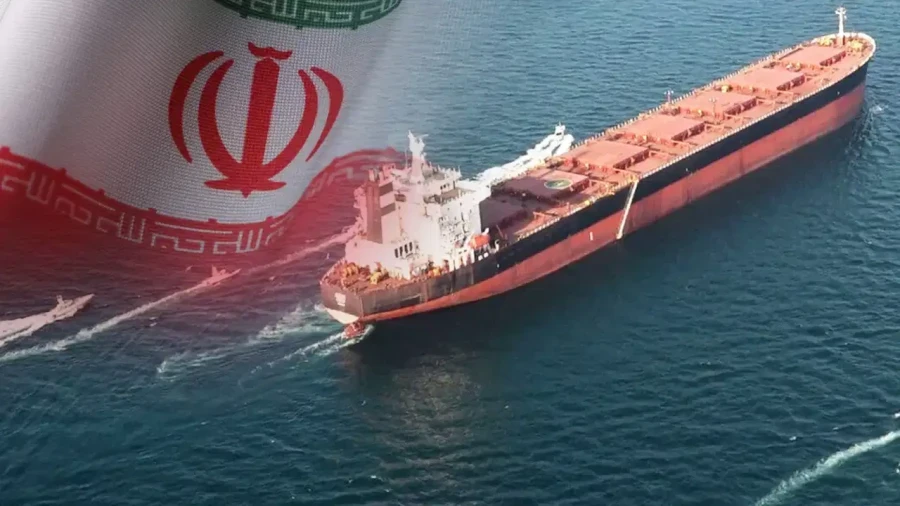
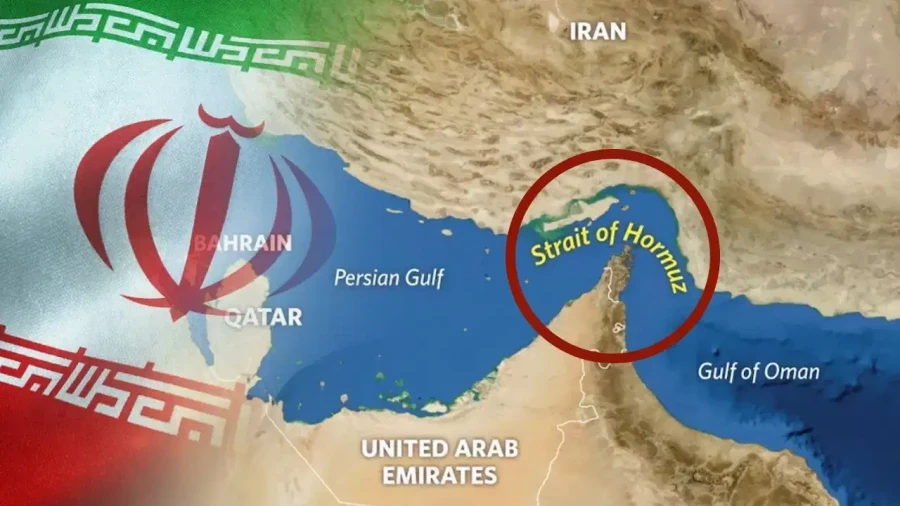
The United Arab Emirates currently possesses a formidable air fleet, including modern F-16 fighter jets, Mirage jets, advanced drone systems, air surveillance technology, and mid-air refueling capabilities. Experts consider the UAE Air Force to be the most capable and powerful in the Gulf region. Beyond military measures, the UAE has also exerted significant diplomatic pressure on Iran, while it supported a United Nations resolution that advocated for the use of force, if necessary, to break Iran's control over the strategic Strait of Hormuz. Domestically, the UAE has taken stern actions by closing Iranian-linked schools and clubs in Dubai and implementing much stricter visa regulations for Iranian nationals, while s. and Israel, further deepening the animosity between the two nations.