

- India,
- 12-Apr-2026 07:31 AM IST


The high-stakes peace negotiations between the United States and Iran, held in Islamabad, Pakistan, have concluded without an agreement. US Vice President JD Vance announced the breakdown of the talks, confirming that the American delegation is departing from Pakistan. The discussions followed a temporary two-week ceasefire agreement aimed at de-escalating regional tensions.
The Breakdown of Negotiations in Islamabad
According to Vice President JD Vance, the primary reason for the failure of the talks was Iran's refusal to accept the terms proposed by the United States. The delegation had engaged in intensive discussions for over 21 hours in an attempt to bridge the diplomatic gap. Despite these efforts, the two sides couldn't reach a consensus on the core issues presented during the summit.
JD Vance's Official Statement on the Outcome
In an official communication, Vice President JD Vance expressed disappointment over the lack of progress. He stated that while the failure to reach a deal is unfortunate, it represents a greater loss for Iran than for the United States. Vance clarified that the US delegation is returning home empty-handed because the Iranian representatives remained firm in their rejection of the stipulated conditions.
Pakistan's Role as a Diplomatic Mediator
The Vice President specifically highlighted the role played by Pakistan in facilitating the dialogue. He noted that the shortcomings of the talks weren't due to any lack of effort from the Pakistani hosts, while according to Vance, the Pakistani officials performed an exceptional job in providing a platform for the two nations to address their differences and worked diligently to help both parties reach a potential agreement.
Details of the 21-Hour Marathon Discussion
The negotiations involved multiple rounds of critical discussions spanning nearly a full day. The American delegation engaged in several high-level meetings with Iranian officials to explore avenues for a long-term resolution. However, the persistence of fundamental disagreements led to the eventual conclusion of the talks without a signed treaty or a formal extension of the peace process.
Current Status of the US Delegation
Following the formal announcement of the deadlock, the US delegation has initiated its return journey to Washington. The departure marks the end of this specific diplomatic push in Islamabad. While the two-week ceasefire had initially provided a window for diplomacy, the current stalemate leaves the future of the bilateral engagement uncertain as both nations reassess their positions.
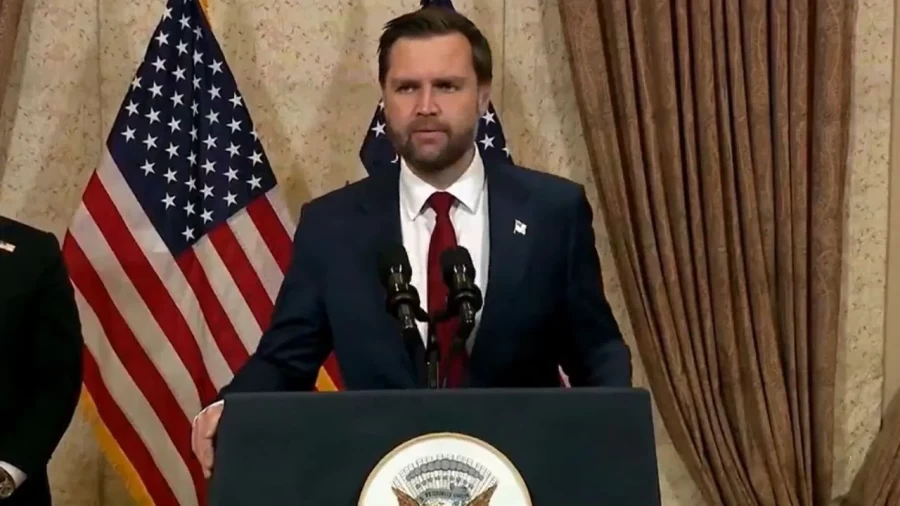
#WATCH | US-Iran peace talks | Islamabad, Pakistan: US Vice President JD Vance says, "...The bad news is that we have not reached an agreement. I think that is bad news for Iran much more than it's bad news for the USA. So, we go back to the US having not come to an… pic.twitter.com/jWHpJYemYz
— ANI (@ANI) April 12, 2026
