

- भारत,
- 07-Jun-2026 11:07 PM IST


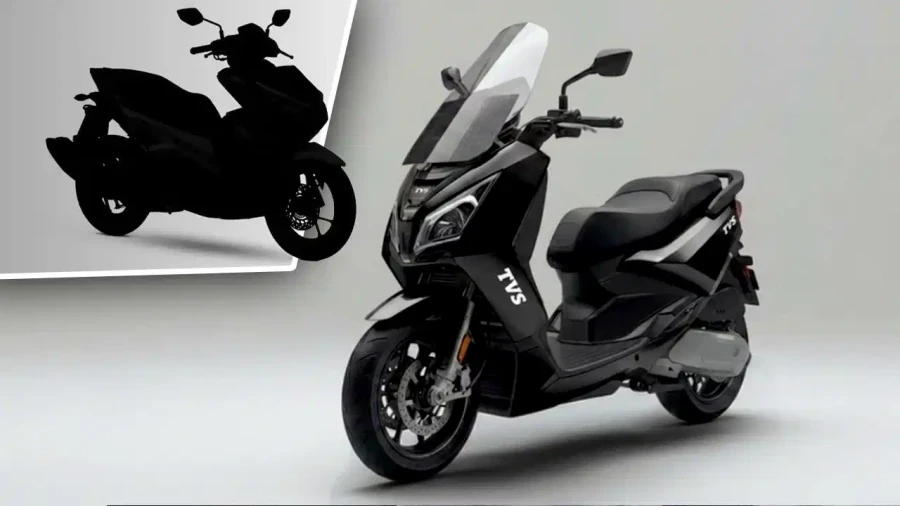
TVS Motor Company is making significant strides in the Indian two-wheeler market by developing a brand-new 160cc maxi-scooter. This move signals the company's intent to capture a larger share of the premium scooter segment, which has seen a surge in interest from enthusiasts across the country. According to recent reports, this new model is currently in its development stage and is expected to make its official debut by the end of 2027. The introduction of this scooter will place TVS in direct competition with established players and upcoming models in the 160cc category.
Rising Demand for Premium Scooters
The Indian two-wheeler market has undergone a notable transformation over the last few years. While traditional family-oriented scooters continue to hold a significant market share, there is a growing demographic of riders who are looking for more than just basic utility. These customers are increasingly drawn toward scooters that offer a blend of sporty aesthetics, touring capabilities, and superior performance. TVS is aiming to capitalize on this shifting trend by offering a product that caters to those who desire a more premium and powerful riding experience. The upcoming 160cc maxi-scooter is being designed to meet these evolving consumer expectations.
Technical Specifications and Performance
Information regarding the technical aspects of the scooter suggests that it will be built on an entirely new platform. This platform will be distinct from the existing Ntorq 150, indicating that TVS is investing in a fresh architecture specifically for this maxi-scooter. One of the most anticipated features is the inclusion of a new liquid-cooled engine. This technological advancement is expected to make the scooter more efficient and capable of delivering high performance consistently. While the official power output figures have not been released yet, industry expectations suggest that the scooter will produce performance levels comparable to its rivals. Competitors like the Yamaha Aerox 155 and the Hero Xoom 160 generate approximately 14 to 15 horsepower, and TVS is likely to aim for a similar or even higher power bracket to remain competitive.
Design and Ergonomics
The design philosophy for the new TVS 160cc scooter is still under wraps, but there are two likely directions the company could take. It might opt for a sharp and sporty look, similar to the Yamaha Aerox 155, or it could lean towards an adventure-style design, as seen in the Hero Xoom 160 and the upcoming Honda ADV160. Reports indicate that the scooter will likely feature large 14-inch wheels, which provide better stability at high speeds. On top of that, the design is expected to include superior wind protection and a comfortable riding position. A long wheelbase and spacious seating are also anticipated, making the vehicle suitable for both city commutes and long highway journeys.
Advanced Features and Connectivity
TVS has always been a pioneer in integrating technology into its vehicles, and this new maxi-scooter is expected to be no different, while the scooter is likely to come equipped with a host of modern features, including Bluetooth connectivity, navigation support, and a fully digital display. Smartphone integration will allow riders to access various functions on the go. In terms of utility and safety, the scooter is expected to offer a large underseat storage area, disc brakes for reliable stopping power, and other premium components that justify its position in the high-end scooter market.
Market Competition
Upon its launch, the TVS 160cc maxi-scooter will enter a highly competitive space. Its primary rivals will include the Yamaha Aerox 155, which currently enjoys a strong following among performance-oriented riders. It will also face competition from the Hero Xoom 160 and the anticipated Honda ADV160. By entering this segment, TVS aims to provide a homegrown alternative that combines performance, technology, and style. The launch scheduled for the end of 2027 will be a crucial milestone for the company as it expands its portfolio beyond the mass-market segments.
