

- भारत,
- 15-May-2026 12:15 AM IST


LONDON - British Prime Minister Keir Starmer is currently struggling to maintain his hold on power following the high-profile resignation of a key rival within his government on Thursday. The departure of Wes Streeting, who served as the Health Minister, has sent shockwaves through the governing Labour Party, as he openly accused the Prime Minister of political drift. This internal rebellion comes at a critical juncture, as other senior figures within the party have begun positioning themselves for potential challenges to Starmer's leadership, while the crisis was precipitated by disastrous results for the Labour Party in last week's local elections, which have plunged Britain into a new period of uncertainty just under two years after Starmer secured a large majority on a platform of stability and ending a decade of political chaos.
Wes Streeting’s Resignation and the Call for Vision
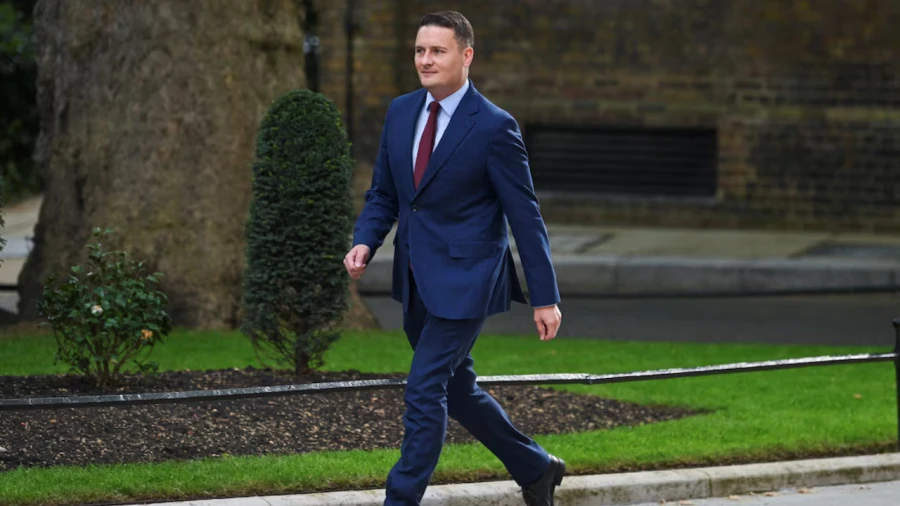
After days of mounting pressure from Labour lawmakers calling for Starmer to either resign or establish a clear timetable for his departure, Wes Streeting became the first senior minister to break cover and step down. In his resignation statement, Streeting made his position clear, stating that he was standing down because it has become evident that Starmer won't be the one to lead the Labour Party into the next general election. Despite the gravity of his departure, Streeting didn't immediately trigger a formal leadership contest, while his resignation letter emphasized that Labour members of parliament and trade unions desire a debate about the party's future that focuses on substantive ideas rather than mere personalities or internal factions. Streeting argued that the party needs a broad approach and the best possible field of candidates to move forward.
Potential Challengers and Internal Party Shifts
The political landscape is shifting rapidly as other figures emerge as potential successors. Greater Manchester mayor Andy Burnham, a prominent Labour politician like Streeting, announced separately that he would seek a seat in parliament. This move is widely interpreted as a step that could pave the way for him to challenge Starmer for the leadership. Streeting’s critique of the current administration was sharp, stating, "Where we need vision, we've a vacuum.
Economic Repercussions and Business Community Alarms
The political instability has already begun to manifest in the financial markets. The British pound edged lower following the news of Streeting's resignation and Andy Burnham's intention to return to parliament. Nick Rees, head of macro research at Monex Europe in London, noted that these events move the party one step closer to a formal leadership challenge, though the exact timeline remains uncertain. The economic stakes are high, as finance minister Rachel Reeves warned lawmakers against plunging the country back into chaos, especially as the UK's anaemic economy showed signs of turning a corner with unexpected growth in March. Business leaders have expressed significant concern; Amanda Blanc, CEO of the insurance giant Aviva, told Reuters that the frequent changes in government strategy and leadership—seven prime ministers in about a decade—are harmful to a major economy like the UK and its international perception.
As the situation develops, Starmer has signaled his intention to fight to keep his job, with sources close to him stating he's determined to contest any leadership challenge. Meanwhile, other potential candidates are navigating their own paths. Starmer's former deputy, Angela Rayner, was recently cleared of deliberate wrongdoing regarding her tax affairs, removing a significant legal impediment to any potential leadership bid, though she has not yet confirmed if she will run. Also, Labour lawmaker Josh Simons has announced his resignation from his seat in Greater Manchester, which could provide the necessary opening for Andy Burnham to enter parliament and qualify for a leadership bid. Amidst this, education minister Bridget Phillipson has called for the party to "pause, take a breath" and try to move past the internal strife. 7398 pounds, the focus remains on whether the Labour government can restore investor confidence or if further leadership changes will continue to deter investment.
