
- India,
- 15-Sep-2026 08:45 AM IST



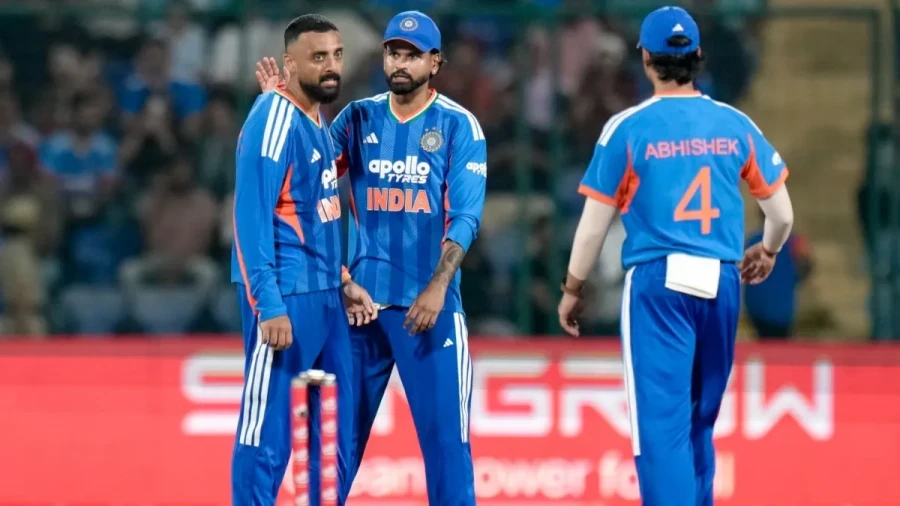
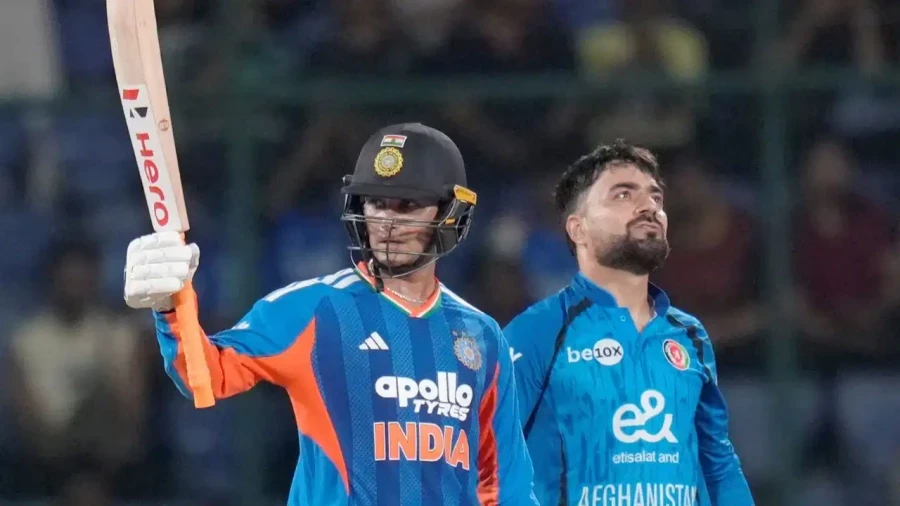
The first T20 International between India and Afghanistan at the Arun Jaitley Stadium in Delhi wasn't just a display of cricketing dominance by the Men in Blue, but also a showcase of technological brilliance in sports broadcasting. While India comfortably defeated Afghanistan by 7 wickets in a one-sided encounter, the Afghanistan Cricket Board (ACB) managed to secure a significant victory in terms of production quality. Fans across the globe, who tuned in to watch the match on television and digital platforms, were left spellbound by the exceptional picture quality, which many claimed was far superior to what is usually seen during matches hosted in the national capital.
The Technological Marvel Behind the Broadcast
The primary reason behind this visual transformation is the cutting-edge technology deployed by the Afghanistan Cricket Board. Although the series is being played on Indian soil, the ACB is the official host of the tournament. To ensure a world-class viewing experience, the board partnered with ITW Universe as its production collaborator. Reports and social media claims suggest that the ACB utilized technology equivalent to that used in the FIFA World Cup. This high-end setup included a comprehensive array of 30 cameras strategically placed around the stadium to capture every angle of the action with precision.
Advanced Camera Systems and AI Integration
The production featured several advanced systems that are rarely seen in standard bilateral series. Among the highlights were AI-stabilized POV (Point of View) cameras that provided steady and immersive shots from unique perspectives. On top of that, the broadcast utilized ultra-motion cameras capable of recording at speeds exceeding 600 fps, allowing for incredibly detailed slow-motion replays of crucial moments. The inclusion of an advanced Spidercam, Augmented Reality (AR) graphics, and a cinematic style of filming added a layer of depth and professionalism to the coverage that resonated deeply with the audience.
Fans Question BCCI Production Standards
The stark difference in quality has led to a wave of discussions on social media, with many fans comparing the ACB's production to that of the Board of Control for Cricket in India (BCCI). Critics pointed out that despite being the richest cricket board in the world, BCCI-hosted matches often suffer from blurry visuals and outdated camera work, especially in venues like Delhi, while while the validity of these allegations remains a matter of debate, the visual evidence from the first T20 has certainly set a new benchmark for cricket broadcasting in the region.
Environmental and Aesthetic Factors in Delhi
Beyond the technology, several environmental factors contributed to the clear visuals. The current weather in Delhi is Notably clearer than usual, with the monsoon season helping to improve air quality and reduce the persistent pollution that often creates a hazy atmosphere during matches. On top of that, the absence of prominent pan masala advertisements at the Arun Jaitley Stadium during this series contributed to a cleaner and more aesthetically pleasing look on screen. These combined factors, along with the ACB's technical investment, ensured that the Delhi match looked better than ever before.
Imagine exposing the richest cricket board in the world in their own stadium by hosting a random bilateral series.
— Ragav X (@ragav_x) September 13, 2026
From the intro video to cinematic camera work, digital LED hoardings, 3D visualisation for analysis, and crystal-clear picture quality, ACB has truly showcased its… pic.twitter.com/wgBDFWyYQ5