

- India,
- 23-May-2026 09:32 PM IST


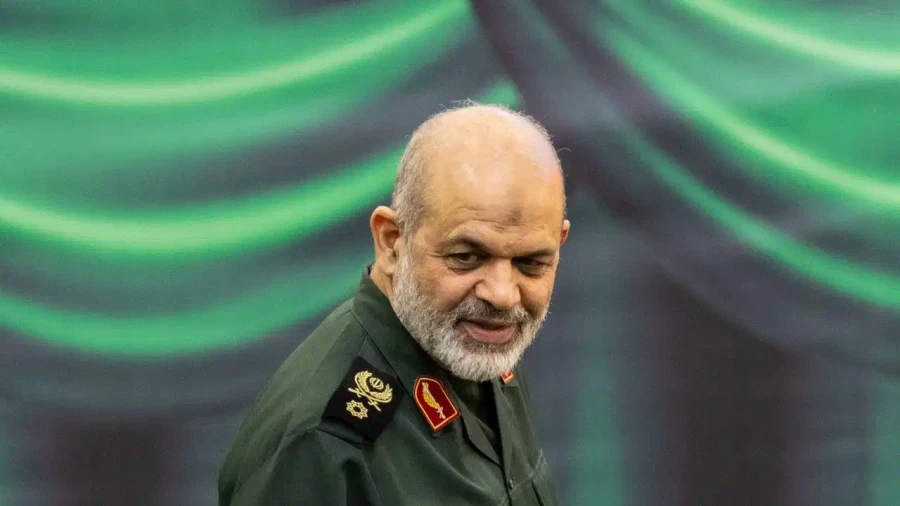
In the midst of escalating geopolitical tensions between Iran and the United States, Brigadier General Ahmad Vahidi has emerged as a formidable and central figure in the Islamic Republic's military hierarchy. As the threat of a potential new conflict looms, Vahidi's role in shaping Iran's strategic decisions has become increasingly significant. Currently serving as the head of the Islamic Revolutionary Guard Corps (IRGC), one of Iran's most powerful military institutions, Vahidi is viewed by international observers as a hardline leader whose influence could dictate the future of the region.
The Rise to Leadership and the Shadow of Conflict
Ahmad Vahidi assumed the leadership of the IRGC following a critical turning point on 28 February. This date marked the death of the former commander, Mohammad Pakpour, who was killed during attacks carried out by the United States and Israel. Notably, this day is also regarded as the first day of the current Iranian conflict. Vahidi's ascension to this top military post at such a volatile time underscores his importance to the Iranian leadership's defensive and offensive strategies.
Vahidi is no stranger to international scrutiny. The United States has already imposed strict sanctions on him, citing his significant role in suppressing anti-government protests within Iran, while Plus, he remains a high-profile target for international law enforcement. Interpol has issued a red notice for him in connection with the 1994 bombing of a Jewish community center in Buenos Aires, Argentina. That devastating attack resulted in the deaths of 85 people, and Vahidi's alleged involvement has made him a wanted man on the global stage for decades.
A Hardline Stance Against Diplomacy
Military and political experts characterize Ahmad Vahidi as one of Iran's most uncompromising and radical leaders. He's widely known for his staunch opposition to any form of diplomatic agreement or compromise with the United States. According to Ali Vaez of the International Crisis Group, while decisions in Iran are often made through a collective process, Vahidi's opinions carry immense weight within the inner circles of power.
Danny Citrinowicz, a former official with Israeli military intelligence, has described Vahidi as a leader with a very rigid and tough mindset. Citrinowicz suggests that Vahidi is fully prepared for a retaliatory war should the United States choose to launch further attacks. This perspective highlights the potential for a significant military escalation under Vahidi's command, as he appears ready to meet force with force.
Strategic Pressure and Global Oil Markets
During the ongoing conflict, Iran has intensified its pressure on the Strait of Hormuz, a vital maritime corridor for global oil supplies. By exerting influence over this route, Iran has the capability to impact the world's largest oil transit path, creating economic ripples globally. This strategic move comes at a time when US President Donald Trump has issued stern warnings to the Iranian leadership. Trump stated that if Iran doesn't come to an agreement, the United States could initiate further military strikes.
In a direct response to these warnings, Vahidi has maintained a defiant posture. He has publicly stated that if Iran is attacked again, the resulting conflict won't be confined to a single region. Vahidi warned that Iran's enemies would face massive destruction, signaling that any military action against the Islamic Republic would lead to a much broader and more devastating confrontation.
A Career Rooted in the Islamic Revolution
Born in 1958 in the city of Shiraz, Ahmad Vahidi's journey into the heart of Iranian power began with his studies in Electronics and Industrial Engineering. Following the Islamic Revolution of 1979, he became deeply integrated into the country's new political and military structures. His career is marked by several high-ranking positions, including serving as the first commander of the Quds Force, an elite unit within the IRGC.
Vahidi's resume also includes tenures as Iran's Minister of Defense and Minister of Interior. His long-standing service in these roles has solidified his position as a key architect of Iran's internal security and external military operations, while in 2022, following the death of Mahsa Amini and the subsequent nationwide protests, the United States imposed new sanctions on him. The US government alleged that Vahidi was responsible for the crackdown on protesters and had issued threats against women and demonstrators. Today, Ahmad Vahidi stands as perhaps the most crucial figure in determining Iran's next military and political moves.
