
- India,
- 09-Jun-2026 07:24 AM IST



The mention of a brain tumor often triggers immediate fear and anxiety in most people, with the primary question being whether surgery is the only way forward. However, medical experts emphasize that surgery isn't a mandatory requirement for every brain tumor case. The treatment plan is meticulously crafted by considering several critical factors, including the type of tumor, its size, its specific location within the brain, the patient's age, and the severity of the symptoms presented. According to doctors, modern medical science offers a wide array of treatment options for brain tumors beyond traditional surgery. These alternatives include radiotherapy, stereotactic radiosurgery, chemotherapy, targeted therapy, and active surveillance.
Understanding the Myths and Awareness
A common myth prevalent among the public is that once a tumor is detected in the brain, an operation is the sole remedy, while to combat such misconceptions and raise awareness about this serious health issue, World Brain Tumor Day is observed globally every year on June 8. The objective of this day is to educate people about the complexities of the condition and the various management strategies available in contemporary medicine. Experts suggest that understanding the nuances of the disease can Importantly reduce the panic associated with the diagnosis.
Expert Insights on Treatment Pathways
Neurosurgeon Dr. Praveen Gupta addresses these concerns, stating that the belief that every brain tumor requires surgery is a significant misconception, while he explains that the treatment path is unique for every patient. Some tumors are small and grow very slowly, remaining stable for years without causing any serious complications. For such patients, regular MRI scans and consistent monitoring, known as active surveillance, may be entirely sufficient, while specialists further note that many benign or non-cancerous tumors, especially those located away from sensitive areas of the brain and not causing any symptoms, don't require immediate surgical intervention. Instead, doctors prefer to monitor the tumor's growth through periodic scans.
When Surgery Becomes Necessary
While surgery isn't always the first choice, there are specific conditions where it becomes essential, while doctors point out that if a tumor shows continuous growth or if the patient experiences symptoms such as persistent headaches, seizures, vision problems, weakness in any part of the body, or difficulty in speaking, surgery may be required. Dr. Gupta emphasizes that the goal isn't just to remove the tumor but also to preserve the patient's neurological functionality and quality of life. So, in cases where a tumor is located in a high-risk area where surgery might cause more harm, alternative treatments like radiotherapy are often preferred.
Technological Advancements in Treatment
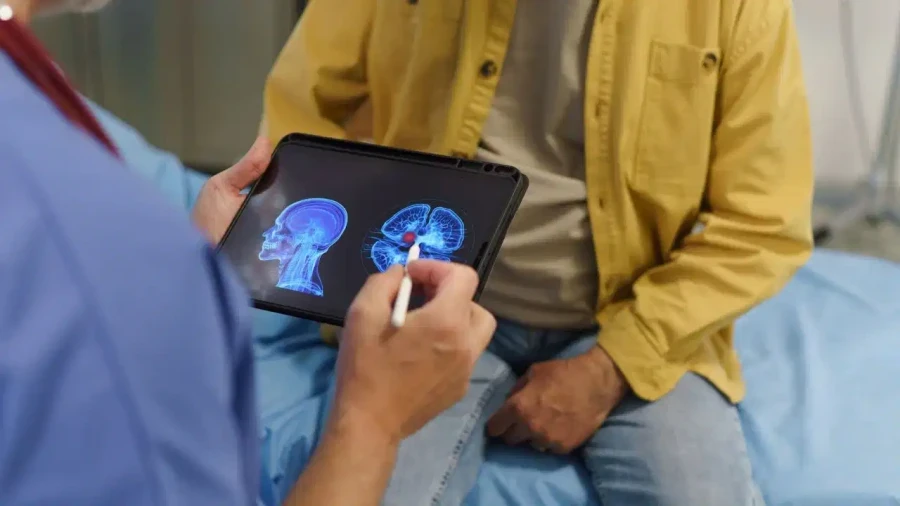
Over the past few years, significant technological developments have made brain tumor treatments safer and more effective than ever before. Modern techniques such as high-resolution MRI, neuro-navigation, functional brain mapping, and awake craniotomy have transformed complex surgeries into highly efficient and safer procedures. Experts also mention that in some instances, the purpose of surgery isn't to remove the entire tumor but to perform a biopsy by taking a small sample. This helps in accurately identifying the type of tumor, which then forms the basis for a more effective and tailored treatment plan.
The Danger of Misinformation
Medical professionals warn against making health decisions based on incomplete or unverified information found on the internet and social networking sites. Brain tumor is a complex disease, and every patient's situation is distinct. So, treatment decisions should only be made after a thorough evaluation by a specialized team consisting of neurosurgeons, neuro-oncologists, and radiation oncologists. Dr. Gupta reassures patients that a brain tumor diagnosis isn't the end of life. Many patients live healthy lives for long periods without surgery, and for those who do need an operation, new technologies have vastly improved the chances of success. The most crucial steps are timely diagnosis and seeking advice from the right specialists.