
- India,
- 31-Aug-2026 10:25 AM IST



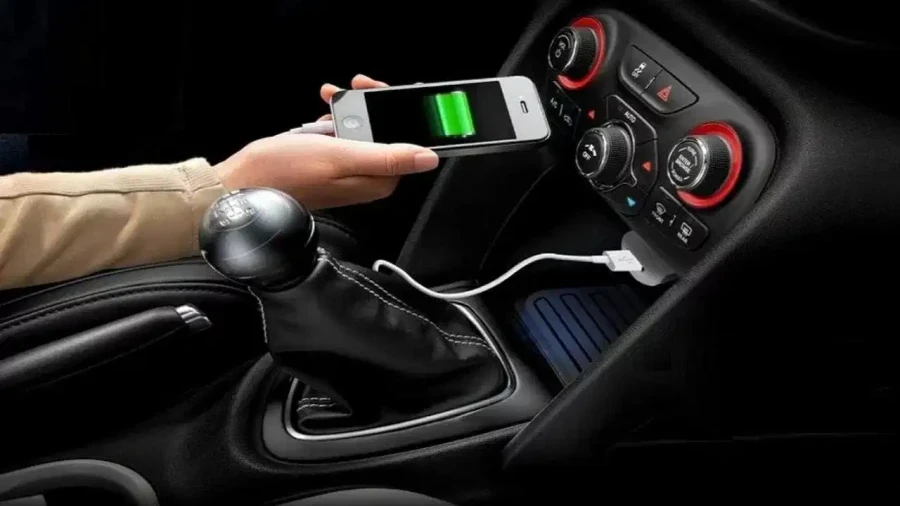
In the modern era of travel, one of the primary concerns for commuters and travelers alike was the fear of a dying phone battery. However, with the integration of charging ports in almost every contemporary vehicle, this anxiety has Importantly diminished. Whether it's for navigating through unknown routes using digital maps, streaming music for entertainment, or making essential phone calls, maintaining a charged mobile device is now considered a necessity during any journey.
The Risks of Improper Charging
While the convenience of charging on the go is undeniable, it's imperative to exercise caution. Charging a smartphone in a car using the wrong equipment or following incorrect procedures can lead to detrimental effects on both the mobile device and the vehicle's electrical system, while by paying attention to a few critical details, users can ensure the longevity of their electronics and their car's battery health.
Avoid Cheap and Substandard Chargers
It's often tempting to purchase inexpensive chargers from local markets for use in a car, but this can be a costly mistake. Low-quality or unbranded chargers often lack the sophisticated circuitry required to manage electrical current effectively. This deficiency can cause the phone to overheat excessively and may result in inefficient charging cycles. Also, faulty chargers or damaged cables can potentially cause malfunctions within the car's electrical components. It's always recommended to use high-quality, certified chargers from reputable manufacturers to ensure safety.
Do Not Plug In Before Starting the Engine
Many drivers have the habit of plugging their phones into the charging socket as soon as they enter the vehicle. However, it's safer to wait until the car has been started and the engine is running smoothly. During the ignition process, the vehicle's electrical system can experience sudden fluctuations or surges in power. If a mobile device is already connected during this time, it may be subjected to unnecessary electrical stress, while So, the best practice is to start the car first and then connect the phone to the charger.
Protect the Device from Direct Sunlight
During the summer months, the internal temperature of a car can rise to extreme levels. If a phone is being charged while placed in a spot where it's exposed to direct sunlight, it can become dangerously hot. Overheating is one of the primary causes of battery degradation in smartphones. To prevent this, users should place their phones in a shaded area of the car while charging. If the device feels excessively warm to the touch, it's advisable to stop the charging process immediately and let the phone cool down.
Unplug After Turning Off the Engine
In several car models, the charging socket continues to draw power from the battery even after the engine has been turned off. If a phone is left plugged in for an extended period while the car is stationary, it can lead to the depletion of the vehicle's battery. This could result in difficulties when trying to start the car the next time. Developing the habit of removing both the phone and the charger from the socket once the journey is complete is a simple yet effective way to protect the car's battery life.
Conclusion: Small Precautions for Big Benefits
Charging a phone in a car isn't inherently harmful if done correctly, while by using reliable chargers, preventing the device from overheating, and ensuring that the charger isn't left connected after the engine is shut down, users can safeguard their valuable assets. These easy-to-follow steps ensure that both the mobile phone and the car remain in optimal working condition.