
- India,
- 08-Oct-2026 01:13 PM IST



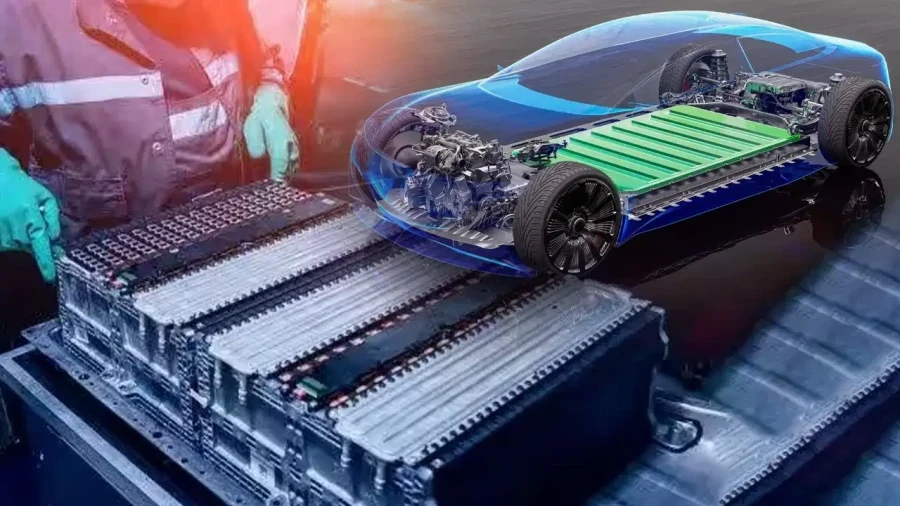
When purchasing an electric vehicle (EV), consumers are often preoccupied with concerns beyond just range and charging infrastructure. A significant worry remains the potential cost of replacing the battery if it fails or degrades over time. As the battery is one of the most expensive components of an EV, its replacement cost can be a major financial consideration. However, the landscape in India is rapidly changing due to continuous improvements in battery technology and the shift toward large-scale production, which are opening new avenues for cost reduction.
Technological Advancements in Battery Manufacturing
Battery manufacturers are currently focusing on enhancing cell chemistry, implementing innovative designs, and adopting more efficient manufacturing processes. These advancements aim to store more energy using less material while simultaneously reducing waste during production. Modern battery packs are being designed with simpler structures, requiring fewer additional parts, which contributes to overall cost efficiency. This evolution can be compared to the trajectory of smartphone technology. Over the years, processors, cameras, and batteries in phones have Importantly improved, and mass production has made older components much cheaper to manufacture. The EV battery industry is witnessing a similar transformation.
The Impact of Mass Production and New Chemistries
Scale plays a crucial role in driving down costs. When companies manufacture battery cells in massive quantities, they can better use factory capacity. Suppliers also benefit from operating at a larger scale, allowing production costs to be distributed across a greater number of units. Plus, increasing competition among manufacturers exerts downward pressure on prices. A pivotal shift is also occurring in battery chemistry. Lithium Iron Phosphate (LFP) batteries have emerged as a prime example of a lower-cost alternative for many EVs. While LFP technology may not be suitable for every vehicle, manufacturers select different technologies based on specific requirements for range, performance, price, and durability.
Will Replacing Batteries in Older EVs Become Cheaper?
While falling manufacturing costs suggest that replacement battery packs could become more affordable in the future, this doesn't guarantee an automatic price drop for every electric car model. A new battery must be compatible with the vehicle's software, electrical systems, physical dimensions, and safety standards. Interestingly, a complete battery pack replacement may not always be necessary. If a fault is localized to a specific cell or section, repairs might be possible in some cases. The expansion of service networks and improved repair technologies will likely provide EV owners with more options moving forward.
The Role of Domestic Manufacturing and the PLI Scheme
India is actively working to boost its domestic battery manufacturing capabilities through various government initiatives. The Production Linked Incentive (PLI) scheme for Advanced Chemistry Cell (ACC) production is a significant step in this direction. Developing a local supply chain and expanding battery recycling efforts are also expected to be beneficial in the long run. However, factors such as the price of raw materials, dependency on imports, and fluctuations in the supply chain will continue to influence battery costs. Consequently, while the trend points toward lower prices, a guaranteed reduction in replacement costs for every specific model remains subject to these external variables.