
- India,
- 07-Jun-2026 07:28 AM IST



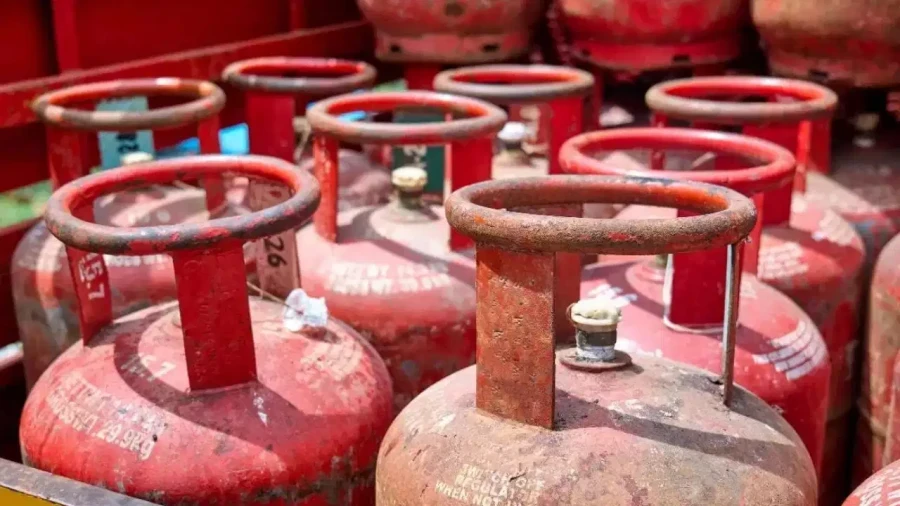
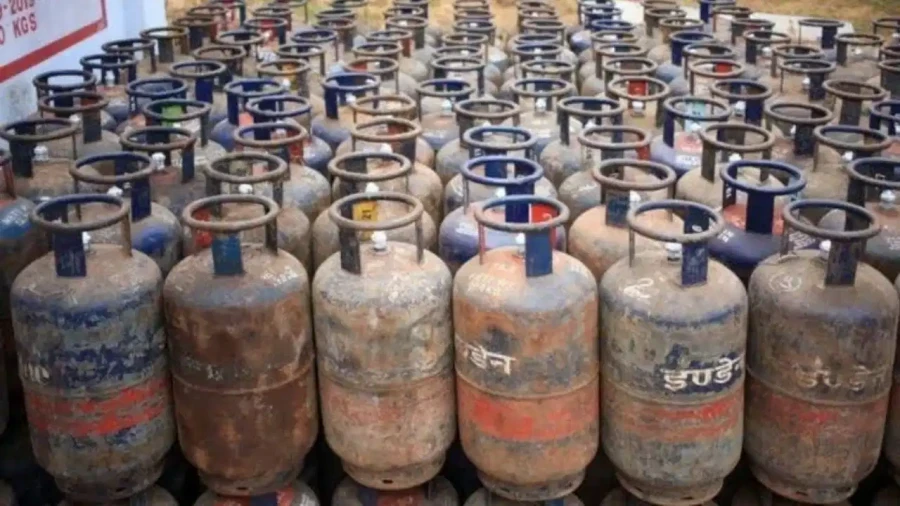
The cost of domestic Liquefied Petroleum Gas (LPG) has seen a significant upward revision, with prices being hiked by 29 rupees per cylinder across the country. This price increase comes as government-owned fuel retail companies continue to face substantial challenges stemming from the volatility in the global energy market. 2 kg domestic LPG cylinder in Delhi has been adjusted from 913 rupees to 942 rupees, effective from today, June 7. This move is expected to impact the monthly kitchen budgets of millions of households who rely on these cylinders for their daily cooking needs.
Global Energy Market Pressures
The latest price revision is the second such increase in the last three months. The primary driver behind this decision is the rising cost of fuel in the international market, which has been exacerbated by ongoing geopolitical tensions, while specifically, the conflict in West Asia has led to disruptions in the global energy supply chain, causing international fuel prices to surge. Prior to this, a substantial hike of 60 rupees per cylinder was implemented on March 7, following similar concerns over supply stability and rising procurement costs for oil marketing companies.
Financial Strain on Oil Marketing Companies
Industry data reveals that government-run oil marketing companies (OMCs) have been operating under significant financial pressure. Before this latest price revision, sources indicate that these companies were incurring a loss of approximately 703 rupees on every domestic LPG cylinder sold. The gap between the international procurement cost and the domestic retail price had widened to a point where a price correction became inevitable for the sustainability of the supply chain. While the 29 rupee hike doesn't fully cover the reported losses, it's seen as a step toward aligning domestic prices with global market realities.
Trends in Commercial LPG Pricing
The increase in domestic LPG rates follows a series of price adjustments in the commercial segment. As petrol and diesel prices fluctuated, speculation regarding a domestic LPG hike had been growing for some time. Although domestic prices remained stable during the initial phases of the Iran-Israel and US tensions that began around February 28, commercial rates saw significant changes. On May 1, the government increased the price of commercial LPG cylinders by 993 rupees, while the price of 5 kg cylinders was raised by 261 rupees. Subsequently, on June 1, commercial cylinder prices were further increased by 42 rupees, signaling a broader trend of rising energy costs.
Government Assurance on Supply and Stocks
Despite the price hike and the challenges posed by international conflicts, the Ministry of Petroleum and Natural Gas has issued an official statement assuring the public that the supply of LPG remains completely normal. The ministry emphasized that there have been no reports of gas shortages at any retail agencies across the country. To protect consumers from unfair practices, the government has also intensified its crackdown on the hoarding and black marketing of LPG cylinders. Authorities are maintaining a strict vigil to ensure that the available stock reaches genuine consumers without any artificial scarcity.
Refinery Operations and Crude Oil Reserves
Addressing concerns regarding the Hormuz crisis and its impact on energy security, the government stated that all necessary measures are being taken to ensure the uninterrupted availability of petroleum products and LPG. Indian refineries are currently operating at high capacity to meet domestic demand. Also, the country maintains sufficient reserves of crude oil to handle short-term supply disruptions, while in a proactive move, refineries have also increased the local production of LPG to reduce dependence on imports and stabilize the domestic supply chain during these uncertain times.