
- India,
- 22-Jul-2026 10:11 AM IST



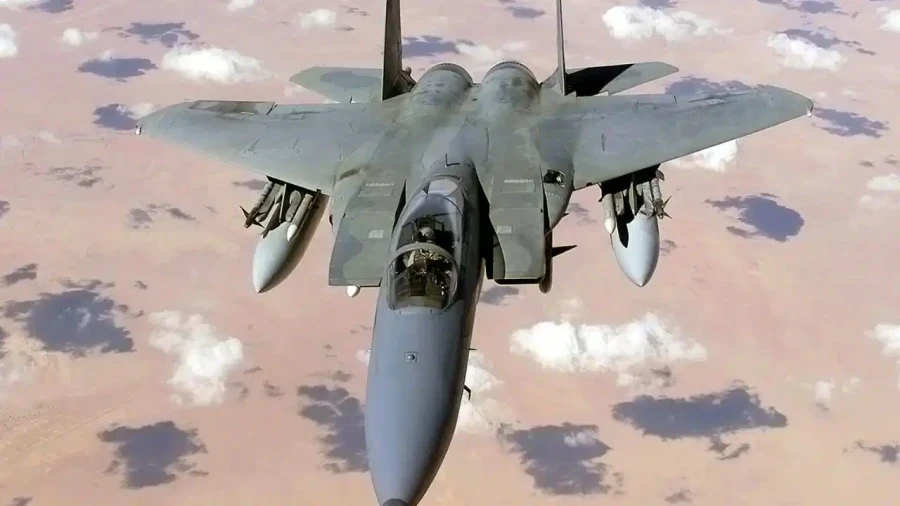
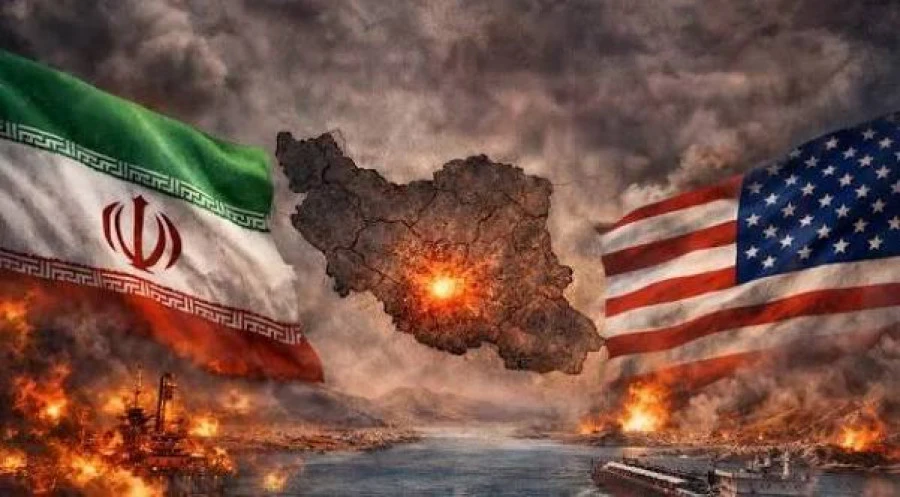
The United States military launched a series of simultaneous air and missile strikes across five major cities in Iran during the early hours of Wednesday. According to reports from Iranian officials, the targeted locations included the cities of Chabahar, Konarak, Tabriz, Behbehan, and Omidiyeh, while this military action marks the 11th consecutive night of American strikes against Iran following the collapse of the ceasefire agreement. The intensity of the conflict continues to escalate as both nations exchange threats and military maneuvers in the region.
Trump Warns of Strikes on Nuclear Sites
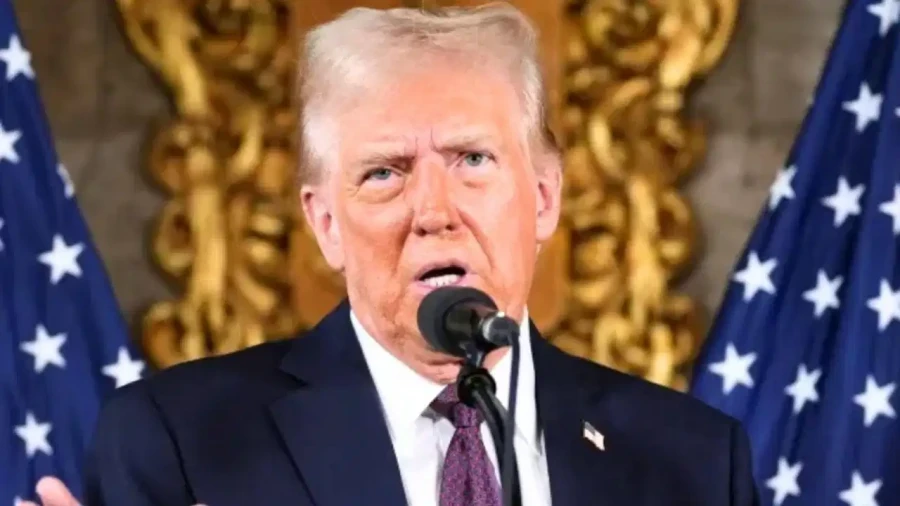
President Donald Trump has issued a stern warning regarding the future course of the military campaign. He stated that the United States could very soon launch a very heavy attack on Pickaxe Mountain, which is identified as a suspected Iranian nuclear site. In response to this warning, the Iranian government has signaled its readiness to expand the scope of the war within the region if the American attacks persist. The rhetoric from both sides suggests a deepening crisis with no immediate signs of de-escalation.
Financial Burden of the War
The financial implications of the ongoing conflict have become a significant point of discussion in Washington. 6 lakh crore rupees. Hegseth provided these details during a session with the Senate Appropriations Committee, highlighting the massive resources being diverted to the Middle East operations. The Pentagon is now seeking additional funding to sustain its military presence and operational capabilities.
Pakistan Seeks 10 Billion Dollars for Mediation
In a diplomatic development, Pakistan has requested 10 billion dollars in financial assistance from the United States, citing its role as a mediator in the Iran conflict. According to a report by Reuters, Islamabad has proposed an Exchange Stabilization Support Facility to US Treasury Secretary Scott Bessent. The request seeks this financial facility for a period of five years. Pakistan believes that its efforts to facilitate dialogue regarding the Iran war have strengthened its bilateral ties with the United States, providing a basis for increased economic cooperation. If approved, this 10 billion dollar (approximately 95 thousand crore rupees) package could bolster Pakistan's foreign exchange reserves, reduce pressure on the Pakistani rupee, and decrease its reliance on International Monetary Fund (IMF) disbursements.
Power Crisis in Kuwait and Drone Attacks
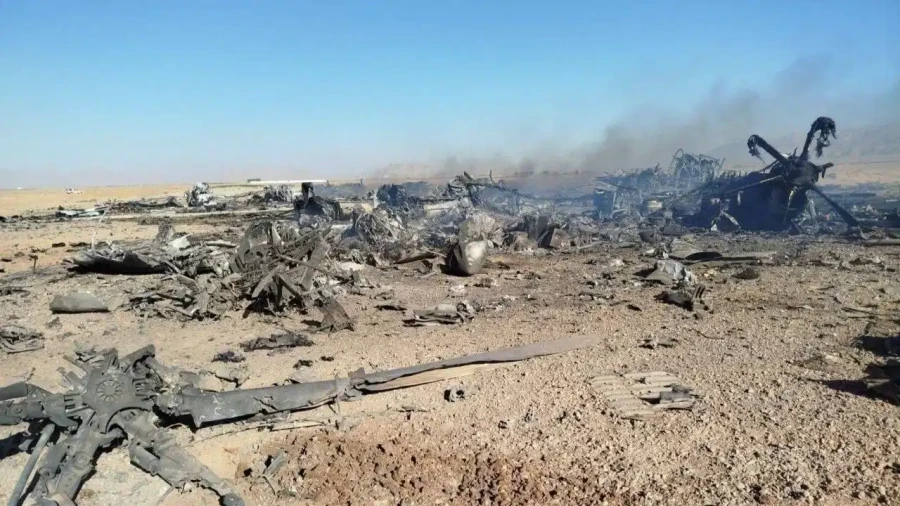
The conflict has also impacted neighboring Kuwait, where concerns over a power crisis have intensified. Following Iranian strikes that targeted electricity infrastructure, the Kuwaiti government has appealed to its citizens to limit electricity consumption and use power only when necessary. Officials noted that electricity demand is already at record levels due to extreme heat, putting immense pressure on the power grid. Meanwhile, the Iranian military claimed to have carried out a drone strike on Camp Doha, a US military base located in western Kuwait. According to the Tasnim news agency, the strike targeted ammunition depots and logistics equipment of the Ground Forces Command. Iran stated this was a response to repeated American aggression.
Diplomatic Stance and Saudi Nuclear Deal
US Secretary of State Marco Rubio, speaking in Manila during a meeting with Southeast Asian foreign ministers, stated that the United States remains open to dialogue and resolving differences with Iran if they're serious about negotiations. However, he emphasized that the US would do whatever is necessary to protect its interests and those of its allies if Iran doesn't engage seriously. Simultaneously, reports from Reuters and the Associated Press indicate that the US has approved a 30-year nuclear energy cooperation agreement with Saudi Arabia. This 123 Agreement, signed by US Energy Secretary Chris Wright and Saudi Energy Minister Prince Abdulaziz bin Salman, allows for the sharing of nuclear technology and the participation of US companies in Saudi Arabia's civilian nuclear program. The deal could eventually lead to the establishment of uranium enrichment facilities in Saudi Arabia, though it reportedly lacks some of the strict safety conditions previously demanded by the US to prevent weaponization.
Pentagon Requests Additional 87 Billion Dollars
3 lakh crore rupees) in funding for the Pentagon. 4 lakh crore rupees) is earmarked specifically for military operations in the Middle East. Hegseth warned the Senate that without this additional budget, military operations could be severely affected, including soldier salaries, training, and the supply of weapons and ammunition. He maintained that these funds are essential for maintaining the operational readiness of the US military during this period of heightened conflict.
U.S. Central Command (CENTCOM) has announced the completion of the 11th consecutive night of strikes as of 8 p.m. ET.
— OSINTdefender (@sentdefender) July 22, 2026
The strikes targeted Iranian military operations centers, maritime capabilities, aircraft hangars, drone storage facilities, and military logistics… pic.twitter.com/XVaU5IvF4P