
- India,
- 07-Jun-2026 11:53 AM IST



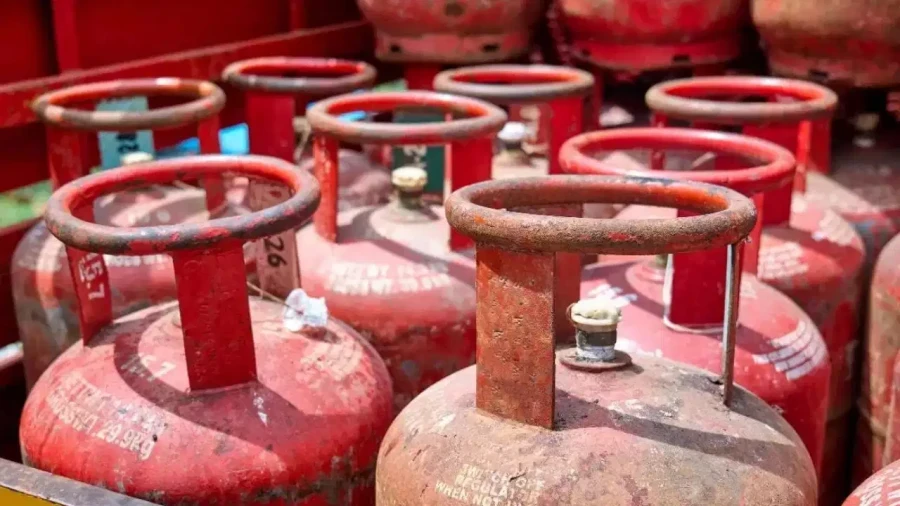
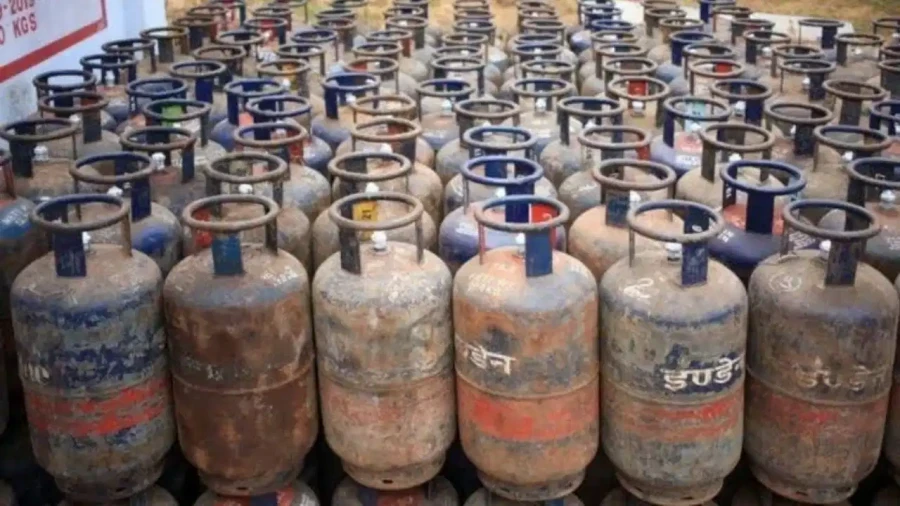
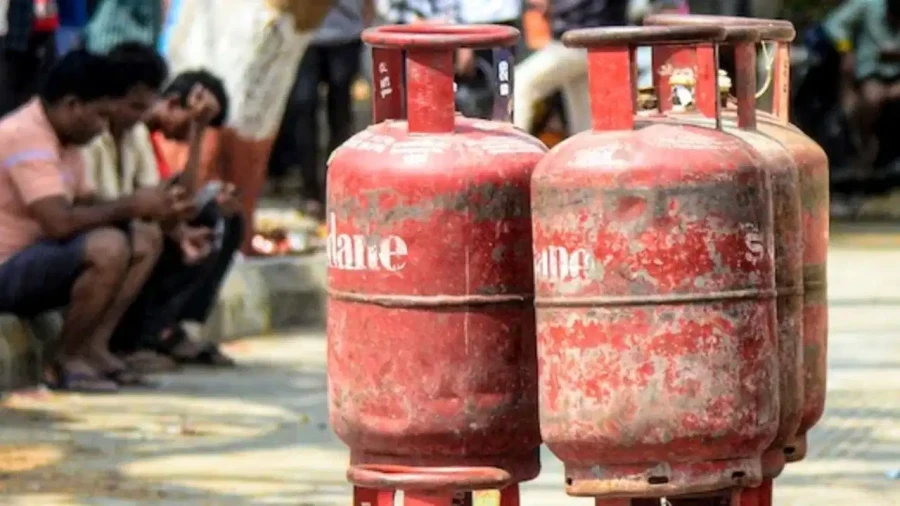
The Government of India has announced an increase in the price of domestic Liquefied Petroleum Gas (LPG) by 29 rupees per cylinder. This marks the second price revision in the last three months, as state-run fuel retailers grapple with surging global energy costs. 2 kg LPG cylinder in Delhi has risen from 913 rupees to 942 rupees. Despite this adjustment, the government maintained on Sunday that the cost of cooking gas for Indian households remains among the lowest in the world. This price hike follows significant disruptions in West Asia, which have led to a sharp spike in international LPG benchmarks.
Impact on Ujjwala Beneficiaries
Under the Pradhan Mantri Ujjwala Yojana (PMUY), beneficiaries will continue to receive a subsidy of 300 rupees per refill for the first four refills every year. This means that for these households, the effective cost of a cylinder will be 642 rupees. This follows a previous announcement where nine refills were subsidized last year, while 2 kg cylinder to 89 rupees over the recent period. It's estimated that prior to this latest change, government oil marketing companies were incurring a loss of approximately 703 rupees on every LPG cylinder sold.
Global Price Comparison and Market Dynamics
The government stated that international prices surged following the onset of conflict in West Asia in late February, pushing the supply cost of domestic LPG cylinders to over 1600 rupees. India's LPG import cost is linked to the Saudi Contract Price (CP), which serves as the global benchmark. Since February, this benchmark has increased by approximately 46 percent due to supply reductions from the Gulf region caused by disruptions in the Strait of Hormuz. Despite the hike, the government emphasized that domestic LPG prices in India are lower than in neighboring countries like Pakistan, Nepal, Bangladesh, and Sri Lanka, and Importantly lower than in developed economies such as the United States, Australia, and Canada.
Ensuring Supply and Managing Under-Recoveries
India is among the few nations that managed to maintain uninterrupted energy shipments through the Strait of Hormuz during the crisis, ensuring no shortage of LPG or other petroleum products. To maintain availability, domestic LPG production was ramped up from 32000 tons per day to approximately 52000 tons per day. Supply sources were also diversified through alternative arrangements with countries like the USA, Canada, and Algeria, while by the end of the last financial year, the total under-recovery on domestic LPG sales rose to approximately 60000 crore rupees, up from 41338 crore rupees the previous year. To partially offset these losses, the Union Cabinet has approved a compensation of 30000 crore rupees for state-run oil marketing companies.
Domestic vs Commercial LPG Pricing
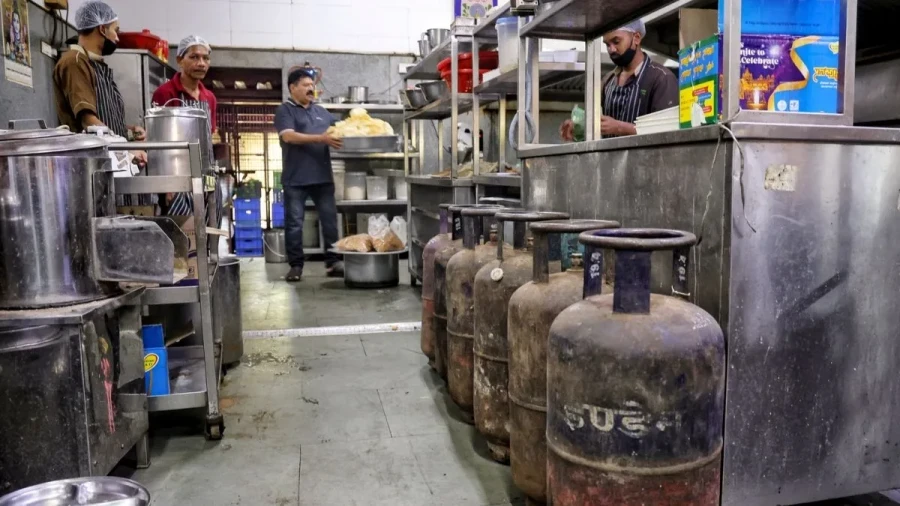
The government highlighted that while commercial LPG prices for hotels and businesses fluctuate monthly based on international benchmarks, domestic cooking gas prices are more controlled to protect households. 50 rupees (approximately 164 rupees per kg), whereas domestic gas costs about 66 rupees per kg after the revision. The government continues to bear a significant portion of the cost burden rather than passing it entirely to consumers. On top of that, measures like OTP-based delivery verification have been implemented to prevent the diversion of subsidized domestic cylinders for commercial use, while citizens are encouraged to adopt Piped Natural Gas (PNG) where available.