
- India,
- 12-Jul-2026 12:09 PM IST



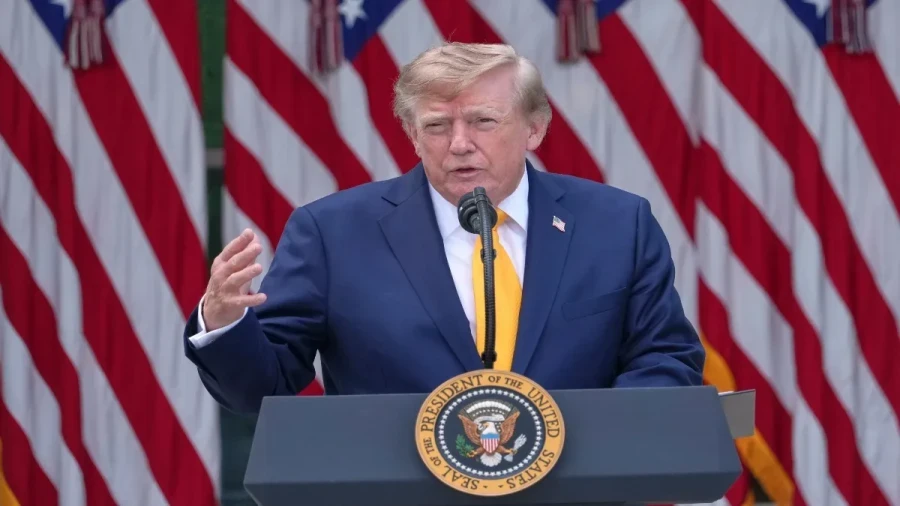
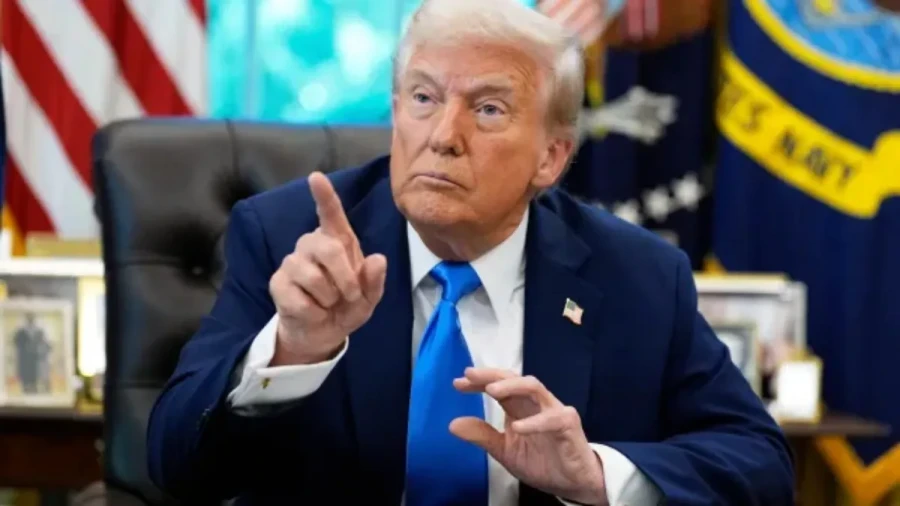
The geopolitical tension between the United States and Iran has reached a critical point following recent statements by Donald Trump regarding potential assassination threats. Donald Trump has publicly asserted that if Iran were to successfully assassinate him or even attempt such an act, the United States would launch a military response of unprecedented proportions. According to Trump, he has already provided permanent instructions to the US military to execute a strike that the world has never seen before, while this claim comes amidst a backdrop of escalating rhetoric from both Washington and Tehran, raising questions about the legal and military protocols that would follow such an extreme event.
Trump Claims 1,000 Missiles Are Ready for Retaliation
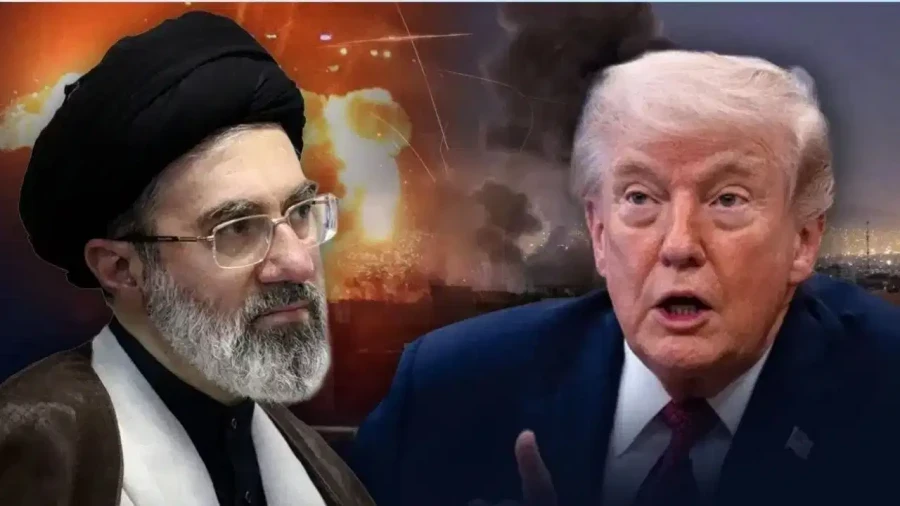
In a detailed post on his social media platform on Saturday, Donald Trump revealed the scale of the prepared military response. He stated that 1,000 missiles are currently ready and aimed directly at Iran. Trump warned that if the Iranian government follows through on its threats, thousands more missiles could be launched immediately. He emphasized that these orders aren't merely suggestions but are part of a permanent directive he has already established for the armed forces. This statement was issued shortly after reports emerged from Iran during the funeral of the former Supreme Leader, Ayatollah Ali Khamenei. During the proceedings, numerous participants were seen carrying posters and banners calling for the death of both Donald Trump and Israeli Prime Minister Benjamin Netanyahu.
The Iranian Vow of Revenge
The response from Tehran was swift and equally firm. Mujtaba Khamenei, the current Supreme Leader of Iran, addressed the nation via state television shortly after Trump's social media post. He declared that the Iranian people would inevitably seek revenge for the blood of his father and all those who perished in past conflicts. Mujtaba Khamenei stated, "We swear to take revenge for the blood of our martyrs. " This direct confrontation highlights the volatile nature of the current relationship, with both sides openly discussing military action and assassination as potential outcomes of the ongoing friction.
Legal Reality: Would an Attack Be Automatic?
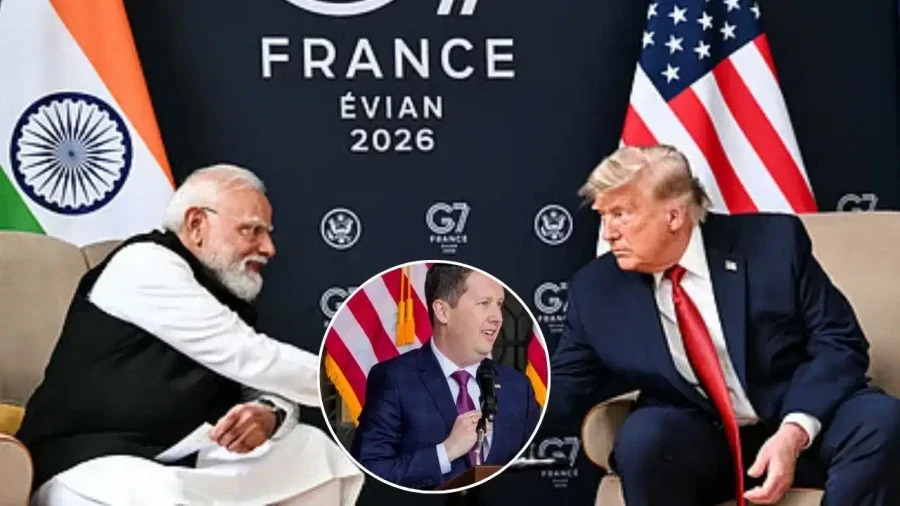
Despite Donald Trump's claims of permanent instructions, the legal framework of the United States doesn't support an automatic military or nuclear response in the event of a president's death. There is no existing law or pre-established rule that mandates the military to immediately begin an invasion or strike upon the assassination of a sitting or former president. According to the 25th Amendment of the US Constitution and the Presidential Succession Act of 1947, the Vice President immediately assumes the role of President and Commander-in-Chief. In this specific scenario, if Trump were assassinated, Vice President JD Vance would instantly take over the presidency, while the ultimate decision to follow Trump's previous instructions, modify the response, or refrain from military action altogether would rest entirely with JD Vance.
Continuity of Government and Emergency Plans
The United States government maintains highly classified protocols known as 'Continuity of Government' plans. These strategies are designed to ensure that the federal government remains functional even during catastrophic events such as a nuclear strike, a major terrorist attack, or significant destruction in Washington. However, these plans don't include triggers for automatic retaliatory strikes following the death of a leader, while even if Trump has instructed the military to prepare for such a scenario, the actual execution of an attack requires a valid order from the sitting President. That's why, the transition of power to the successor is the primary legal requirement before any major military engagement can be authorized.
The Role of Pre-set Nuclear Instructions
Garrett M. Graff, the author of 'Raven Rock'—a book detailing the US government's secret emergency plans—has provided insight into the possibility of pre-set orders. Graff notes that it's legally possible for a president to leave specific instructions for the military to be carried out in the event of their death, while for instance, Trump could theoretically instruct JD Vance to launch a nuclear strike against Iran if he's killed. However, Graff clarifies that while such instructions can be given, the successor isn't legally bound to follow them. The decision-making power remains with the new President, JD Vance, who would have to weigh the consequences and legality of such an order at that moment. Thus, while Trump may have laid the groundwork for a massive response, the final authority remains a human decision within the chain of command.