
- India,
- 12-Jul-2026 07:30 AM IST



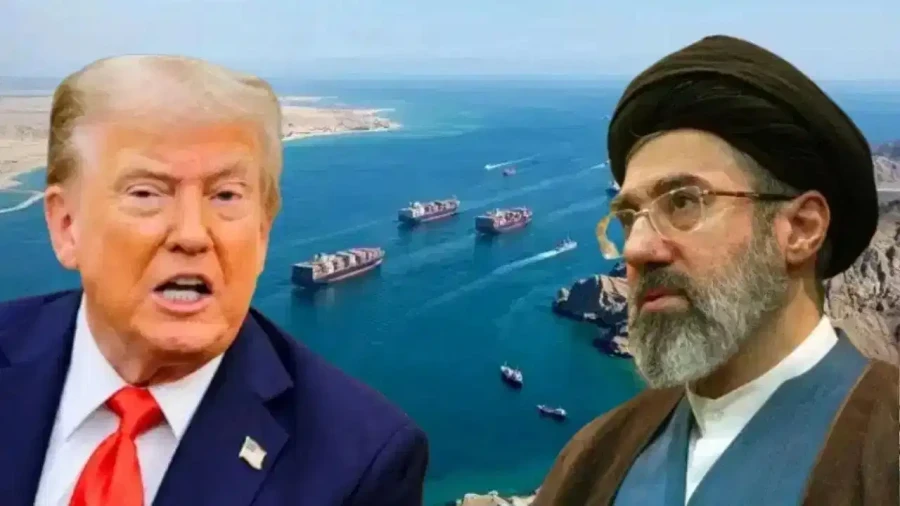
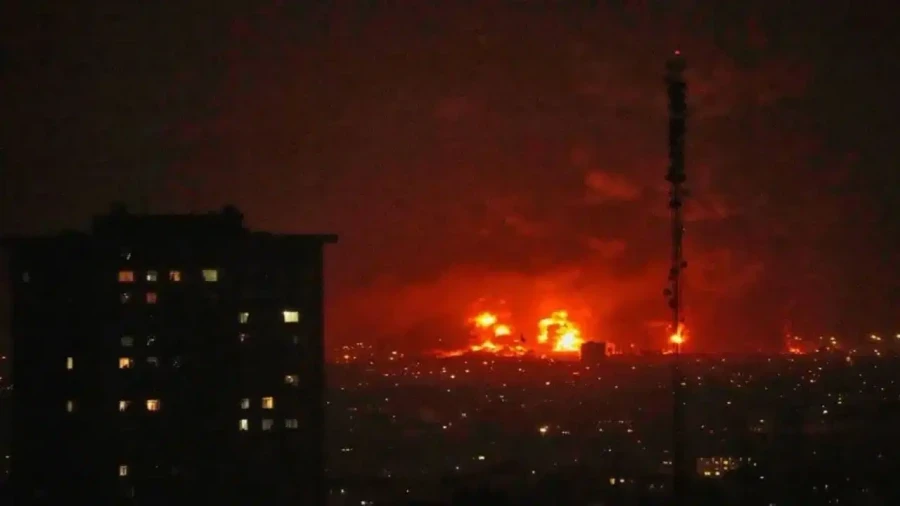
Tensions between the United States and Iran have reached a critical peak as the US military launched its third round of airstrikes this week against Iranian targets. According to reports, the operation was conducted from a base in Bahrain, with missiles being fired at 12 strategic locations. The strikes resulted in significant explosions across seven Iranian cities, including Chabahar, Bushehr, Bandar Abbas, and Sirik. This military escalation comes immediately after the expiration of a 24-hour ultimatum issued by the US to Iran, demanding the reopening of the strategically vital Strait of Hormuz.
The Trigger: Attack on M/V GFS Galaxy
The latest military response was triggered by an earlier incident involving the Islamic Revolutionary Guard Corps (IRGC). The US Central Command (CENTCOM) reported that the IRGC attacked the M/V GFS Galaxy, a Cyprus-flagged container vessel, while it was navigating through the Strait of Hormuz. CENTCOM shared details of the incident on the social media platform X, stating that the Iranian forces targeted the commercial ship, leading to a direct military confrontation. The attack on the vessel caused a fire on board and inflicted severe damage to the engine room, rendering the ship unable to continue its journey. Plus, one civilian crew member has been reported missing following the assault.
CENTCOM Statement and US Response
In an official statement, CENTCOM confirmed the commencement of the strikes at 7:15 PM ET on Saturday. The command emphasized that this was the third round of attacks this week aimed at degrading Iran's capability to threaten commercial shipping and civilian mariners. The US military maintained that Iran had been given opportunities to comply with international maritime agreements but had repeatedly failed to do so. US War Secretary Pete Hegseth responded to the CENTCOM announcement, stating that Iran made a wrong decision and would now have to pay the price for its actions. The strikes were carried out under the direct instructions of the Commander-in-Chief to ensure the free flow of commerce in the region.
Iran's Retaliation and Closure of the Strait
Hours before the US airstrikes, the IRGC had announced the closure of the Strait of Hormuz until further notice. The Iranian military wing declared that no ships would be allowed to pass through this strategic waterway as long as the United States continued its intervention in West Asia. The IRGC attributed this decision to the illegal interference of foreign forces and warned of a crushing response if the closure was used as a pretext for further attacks on Iranian soil. They further stated that the responsibility for any consequences would lie solely with the US, Israel, and regional countries hosting American military bases.
Diplomatic Efforts Amidst Escalation
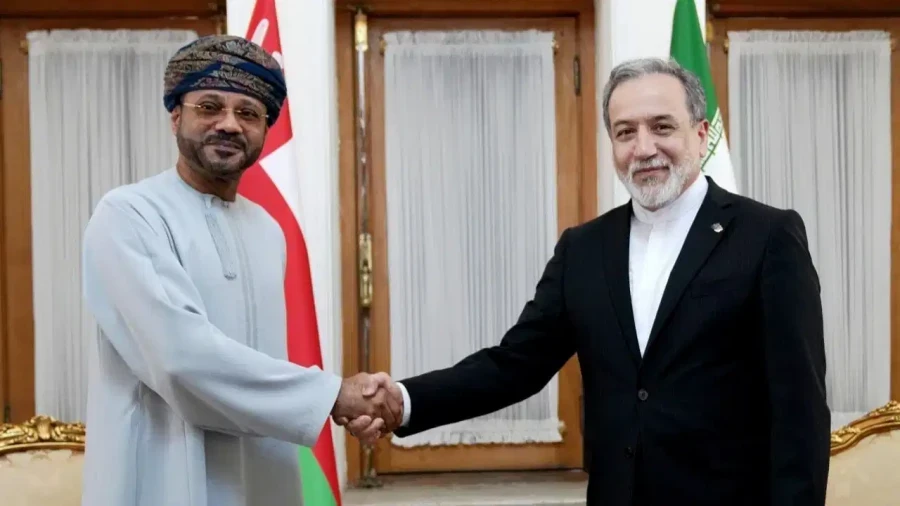
Despite the intense military activity, diplomatic channels remain active in an attempt to de-escalate the situation. Representatives from Qatar have arrived in Iran with the goal of facilitating dialogue between Washington and Tehran. Simultaneously, Iranian Foreign Minister Sayyid Abbas Araghchi met with Omani Foreign Minister Sayyid Badr Albusaidi in Muscat. During their meeting, the two leaders discussed bilateral relations and regional developments. According to the Iranian Foreign Ministry, the discussions included mechanisms for ensuring the safe movement of vessels under Article 5 of the Islamabad Memorandum of Understanding. Oman has reiterated its support for diplomacy to reduce the ongoing conflict.