
- India,
- 12-Jul-2026 07:20 AM IST



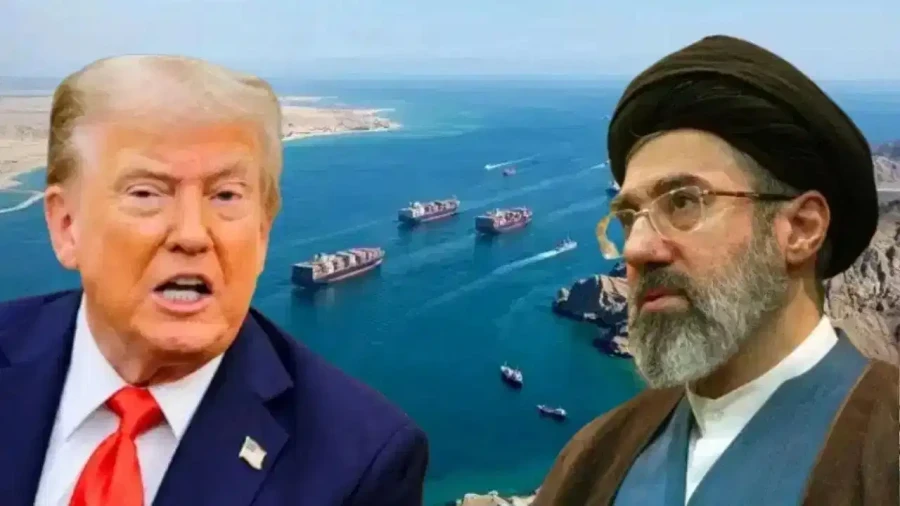
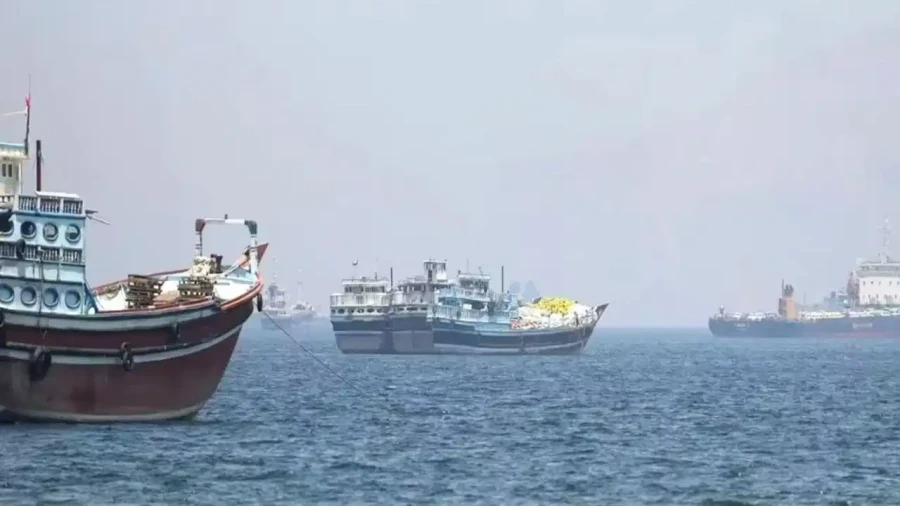
The Islamic Revolutionary Guard Corps (IRGC) Navy of Iran announced on Sunday morning that it has temporarily closed the Strait of Hormuz until further notice. This significant escalation occurred after the IRGC fired warning shots at a vessel that was allegedly attempting to pass through an unauthorized route within the strategic waterway. According to reports from the Islamic Republic of Iran Broadcasting (IRIB), the IRGC Navy has stated that it won't permit any ships to transit through this vital maritime corridor until American interference in the region ceases entirely.
Strategic Waterway Under Lockdown
Iran has officially declared the Strait of Hormuz closed once again, citing the incident involving the unauthorized vessel as the primary reason. This development poses a severe threat to the already fragile interim ceasefire agreement with the United States. The closure of this narrow passage, which serves as a critical artery for global energy supplies, has immediately heightened international concerns regarding maritime security and economic stability. The IRGC maintains that the vessel's attempt to bypass established routes necessitated the military response to protect national sovereignty.
US Response and Diplomatic Standoff
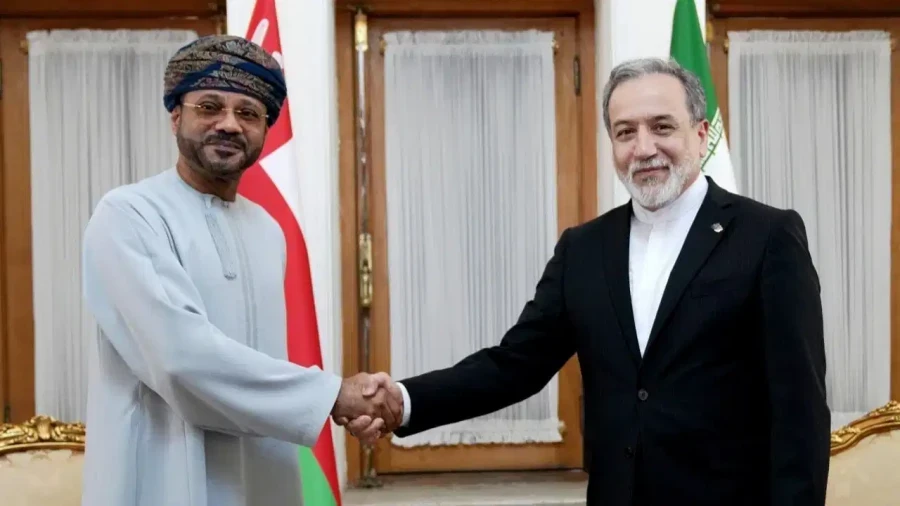
The White House and US military officials have not yet issued an immediate comment regarding the closure or potential retaliatory measures. This announcement follows a high-level meeting on Saturday between the foreign ministers of Iran and Oman, where the status of the shared strait was discussed. The diplomatic talks occurred just days after previous Iranian attacks on shipping and subsequent US strikes, which had already jeopardized the interim agreement intended to end the conflict, while despite the diplomatic efforts, the situation remains volatile as both nations trade accusations of violating the terms of the ceasefire.
Vow of Revenge by the New Supreme Leader
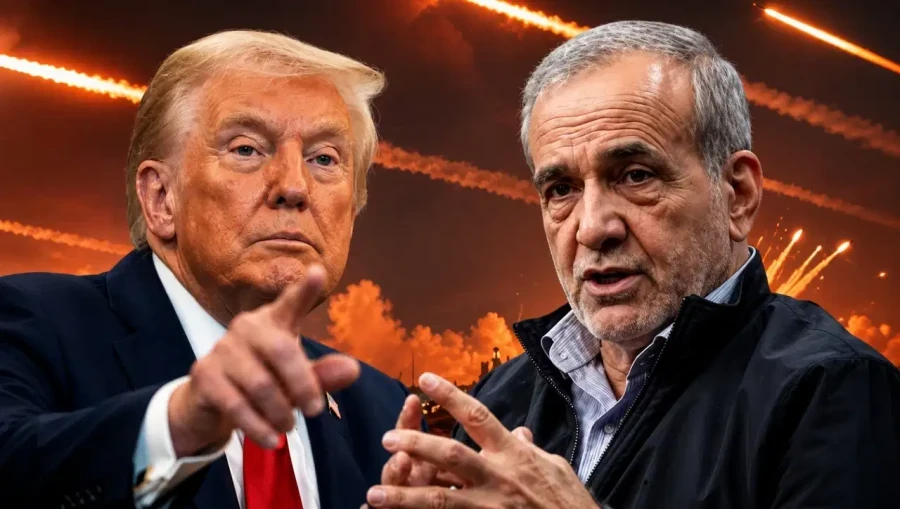
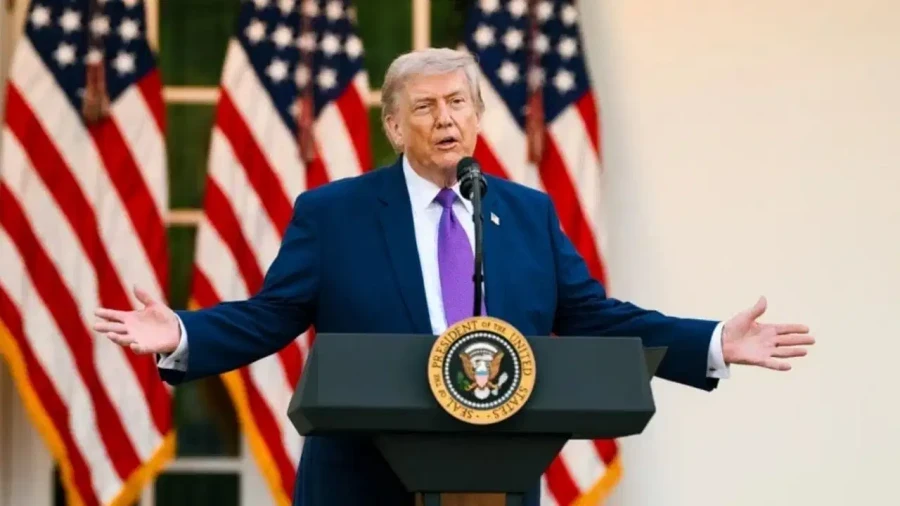
In his first public statement since the conflict began, Iran's new Supreme Leader, Mojtaba Khamenei, appeared following the funeral of his father, Ayatollah Ali Khamenei. He vowed that the Iranian people would seek retribution for the assassination of his father during the initial attacks on February 28. Speaking on state television, Mojtaba Khamenei emphasized that such revenge is the collective will of the nation and must be fulfilled. This declaration came only hours after US President Donald Trump threatened to launch further missile strikes against Iranian targets.
Oman's Role and Economic Implications
Oman has indicated that it remains in technical and political dialogue with Iran regarding the Strait of Hormuz, while this follows a demand from the United States for Iran to publicly declare the waterway open and safe for navigation. However, Iranian Foreign Minister Abbas Araghchi has accused Washington of violating the interim agreement by revoking waivers that allowed Iran to sell crude oil in US dollars on the open market. Araghchi stated that he discussed methods to ensure safe passage with his Omani counterpart but insisted that Iran must maintain control over the strait and be permitted to collect transit fees.
Global Energy Crisis and Human Toll
Historically, approximately one-fifth of the world's traded oil and natural gas passes through the Strait of Hormuz. Iran's control over the waterway during the conflict has previously triggered a global energy crisis, with oil prices peaking at 120 US dollars per barrel, although prices have since seen a significant decline. The human cost of the ongoing hostilities continues to rise; according to Hossein Kermanpour, a spokesperson for Iran's Health Ministry, recent attacks on Iran have resulted in at least 17 deaths and 115 injuries over the past two days. While Israel has not claimed responsibility for these specific strikes, there is speculation regarding the involvement of other regional actors seeking to deter Iranian aggression.