
- India,
- 21-Sep-2026 02:50 PM IST



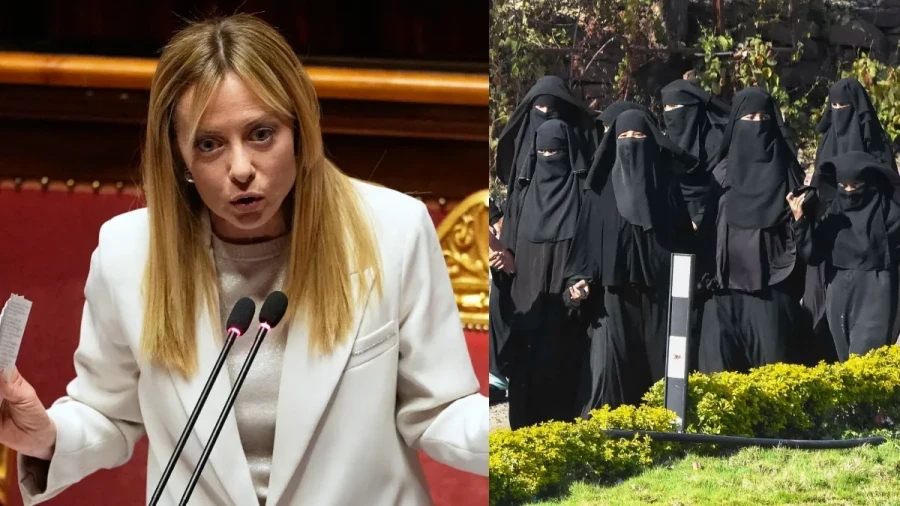
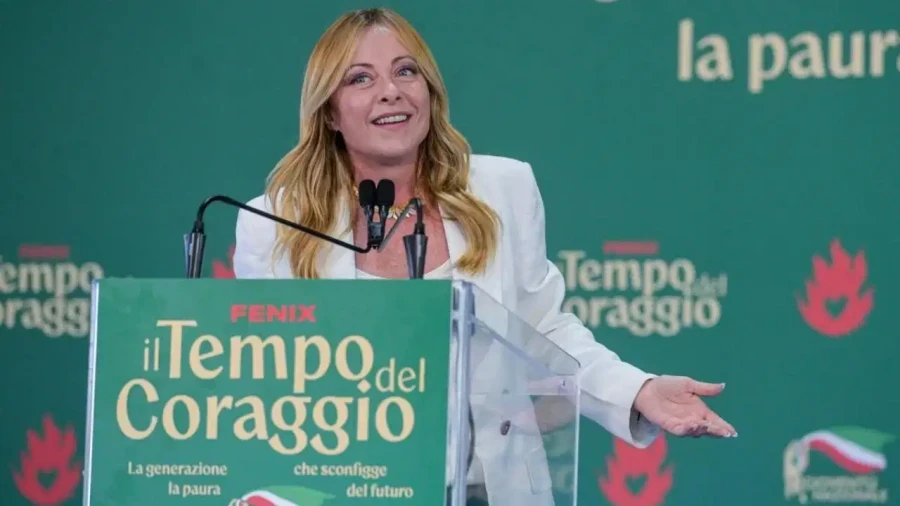
Italian Prime Minister Giorgia Meloni has ignited a significant political debate by proposing a comprehensive ban on wearing the burqa and niqab within school premises, while in a formal statement issued on Sunday, 20 September, Meloni announced that her administration is moving to restrict religious face coverings in classrooms and will also implement a strict ceiling on the number of foreign students allowed in each class. This announcement comes as Meloni, a leader known for her firm right-wing ideology, prepares for the upcoming general elections in Italy, which are scheduled to take place in 2027. For the Prime Minister, these elections are viewed as a pivotal moment for her political future and the direction of the country.
The Political Strategy and the Muslim Factor
The decision to elevate the burqa issue to a national priority just before the election cycle is seen as a calculated move to address the concerns of her core voter base. According to data from the 2022 elections in Italy, approximately 26 percent of voters identified immigration and the presence of outsiders as a primary concern. The Muslim community also represents a significant demographic factor in the country, with Muslims making up about 3 percent of the total population in Italy. By focusing on these issues, Meloni aims to secure her position among right-wing voters who prioritize national identity and cultural integration.
Historical Context and Recent Setbacks
To understand the current proposal, it's essential to look at Italy's legal history regarding face coverings. In 2008, a legal framework was established that allowed for the covering of the face for religious or cultural reasons, provided that the individual complied with identity verification requirements. Under that law, a woman could be required to remove her burqa or niqab if her identity needed to be verified by authorities, while however, Meloni's new proposal seeks to move beyond mere identification and impose a total ban in educational settings. This shift follows a difficult period for the Prime Minister; in March 2026, she faced a significant political defeat in a referendum concerning judicial reforms. Following that loss, Meloni has intensified her preparations for the general election, focusing on policies that resonate with her conservative supporters.
Demographics in Italian Schools
The proposal to limit the number of foreign students in classrooms is also tied to demographic shifts within the Italian education system. Reports from Al Jazeera indicate that approximately 20 percent of children currently enrolled in Italian schools are from immigrant backgrounds. By proposing a limit on these numbers, Meloni is tapping into the sentiments of the 26 percent of the electorate that views immigration as a major issue. This strategy is designed to give her party a competitive edge as the 2027 elections approach.
Global Context of Burqa Bans
Italy isn't alone in its pursuit of such restrictions. Currently, 24 countries across the globe have implemented some form of ban on the burqa. Europe leads this trend with 10 countries having such prohibitions in place, including France, Italy, Portugal, Switzerland, Belgium, Bulgaria, the Netherlands, and Denmark. In Asia, 7 countries have restricted the use of the burqa, with China being a prominent example alongside Sri Lanka, Kyrgyzstan, and Uzbekistan. On top of that, 7 countries in Africa have also enacted bans on the burqa. Meloni's proposal aligns Italy with a broader international movement toward regulating religious attire in public and educational spaces.