
- India,
- 20-Jun-2026 05:22 PM IST



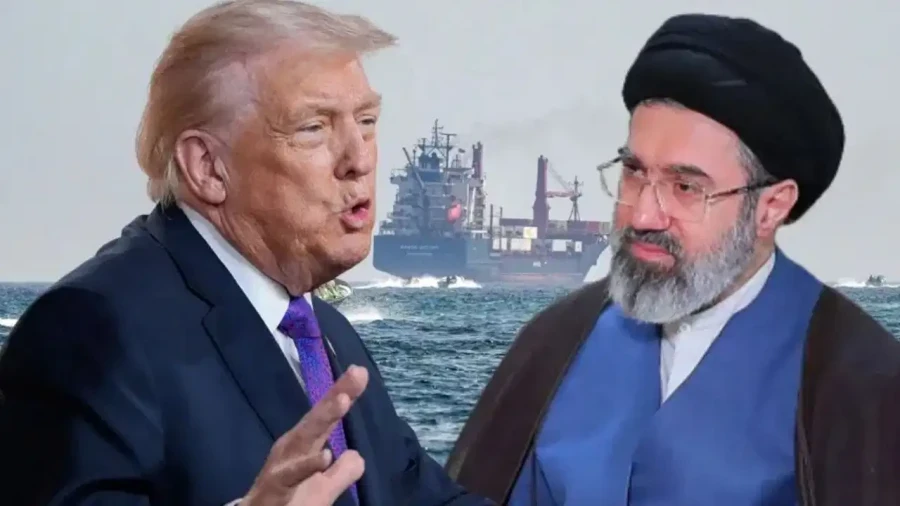
The global energy landscape is witnessing a complex transition as the Strait of Hormuz, a vital maritime artery for world oil trade, has finally reopened following a landmark agreement between the United States and Iran. While the reopening marks a significant diplomatic breakthrough, energy experts warn that the world is far from escaping the clutches of a severe oil crisis. 15 billion barrels of oil failing to reach the market during this period of instability.
The Massive Supply Deficit
15 billion barrels of oil supply. This staggering figure has placed unprecedented pressure on the global oil market, creating a supply-demand imbalance that can't be rectified overnight. The four months of restricted movement through the Persian Gulf have forced nations to rely heavily on their existing stockpiles, leading to a rapid depletion of reserves across the globe.
Strategic Reserves at Historic Lows
The International Energy Agency (IEA) has raised alarms, stating that the world's strategic oil reserves have plummeted to their lowest levels since 1990. The situation is particularly dire in the United States, where the emergency oil stockpile is currently at a 43-year low. During the recent G7 summit, US President Donald Trump highlighted the gravity of the situation, stating that if the Strait of Hormuz had remained closed for even a few more weeks, global oil reserves could have reached a critical breaking point within approximately four weeks. This depletion isn't limited to government reserves; commercial oil stocks in several countries have also seen a sharp decline.
Price Volatility and Storage Hub Pressure
41 dollars per barrel during the height of the war. Although prices have retreated to below 80 dollars per barrel following the US-Iran agreement, the threat of a rebound remains high. Global oil inventories have shrunk by nearly 190 million barrels in recent months. Major storage centers, including the prominent Cushing oil hub in Oklahoma, are under immense strain. Oil levels at these facilities have dropped so low that maintaining a steady supply to refineries and consumers is becoming increasingly difficult.
The Long Road to Recovery
Experts caution that the reopening of the Strait of Hormuz doesn't mean an immediate end to the crisis. The process of restoring normal supply involves several time-consuming steps. First, maritime routes must be thoroughly secured to ensure the safety of commercial vessels. Tankers that were diverted or docked must be brought back into service, and oil production levels in the Middle East need to be ramped up Notably. Finally, this oil must be transported to various parts of the world, a logistical challenge that could take several months to complete.
Market Outlook and Expert Opinions
There is a divide among experts regarding the future of oil prices, while 15 billion barrel deficit. They argue that as the true extent of the supply shortage becomes apparent, prices could spike again. On the other hand, some experts point toward OPEC nations, suggesting that they're preparing to increase production to stabilize the market, while while the reopening of the Strait is a positive step, the global energy sector remains on high alert as it navigates the aftermath of one of the most significant supply disruptions in recent history.