
- India,
- 09-Jun-2026 04:23 PM IST



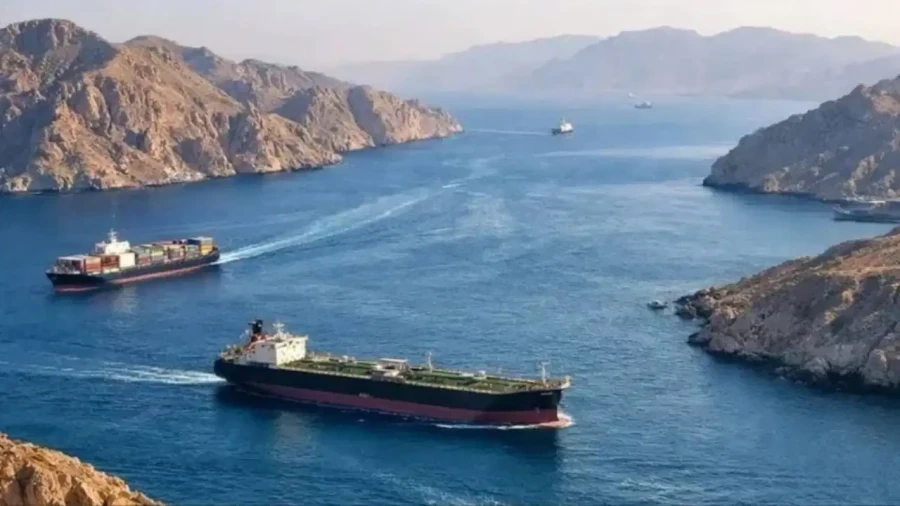
The conflict that erupted in West Asia on February 28 has fundamentally altered the landscape of global maritime trade, forcing massive vessels to adopt unconventional tactics. As the geopolitical situation remains volatile, giant ships responsible for transporting oil and gas across the globe are now being forced to navigate while remaining hidden from radar systems, while this phenomenon is particularly evident in the Strait of Hormuz, a critical maritime chokepoint where oil tankers are increasingly disabling their Automatic Identification System (AIS) to avoid potential attacks. This strategic move, often referred to as operating in dark mode, has become a necessary measure for maintaining the flow of energy resources amidst the ongoing regional instability.
The Shift to Dark Mode in Maritime Navigation
Historically, the practice of turning off tracking systems was primarily associated with countries like Iran or Russia, which used these methods to bypass international sanctions. In shipping industry parlance, this was known as the shadow fleet, while however, the current situation has seen a dramatic shift. According to a report by the Indian Express, the Strait of Hormuz, which serves as the vital link between the Persian Gulf and the Arabian Sea, has become an extremely sensitive zone due to the war. The increasing frequency of attacks on commercial vessels has alerted shipping companies worldwide. Consequently, even large vessels from non-sanctioned countries are now choosing to hide from radar to safely traverse this perilous stretch of water. Data from Vortexa indicates that between March and the end of May, approximately 57 percent of the ships passing through this route kept their tracking systems deactivated.
Impact on India Energy Security
Despite the significant drop in normal tanker traffic through the Strait of Hormuz, which has plummeted by as much as 95 percent, India's energy security remains steadfast. The country relies heavily on this region for its energy needs, importing 40 percent of its crude oil, 60 percent of its Liquefied Natural Gas (LNG), and nearly 90 percent of its Liquefied Petroleum Gas (LPG) from West Asian suppliers. The data reveals that not only crude oil tankers but also vessels carrying clean products such as petrol, diesel, and jet fuel, along with LPG and LNG carriers, are successfully reaching Indian shores by utilizing this dark mode strategy. This ensures that the domestic supply chain for essential fuels remains uninterrupted despite the regional turmoil.
Risks and the New Normal in Shipping
While operating in dark mode provides a layer of security against targeted attacks, it introduces significant maritime risks. According to international maritime regulations, the AIS should remain active at all times to prevent collisions. By disabling these systems, ships become virtually invisible to other vessels in the area. In a high-traffic zone like the Strait of Hormuz, the risk of accidental collisions increases manifold. However, the fear of being targeted in the conflict has outweighed these navigational concerns, while experts in the shipping industry now believe that dark shipping is no longer an exception but has become a standard operating procedure. National oil companies from major producers like the UAE, Qatar, and Saudi Arabia are also adopting this tactic. In May, 67 percent of the ships navigating this strait in dark mode belonged to these nations, with the UAE alone accounting for 27 percent of such traffic. As these economies are heavily dependent on energy exports, they can't afford any disruption in their supply chains, making this hidden navigation a vital necessity for the global oil market.