
- India,
- 26-Jun-2026 09:39 AM IST



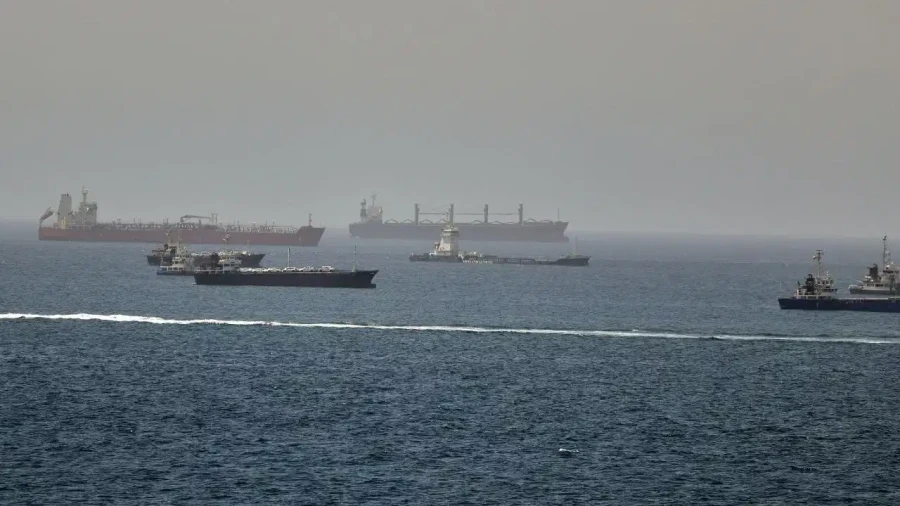
The Strait of Hormuz has once again become a flashpoint of international tension following a targeted attack on a vessel near the coast of Oman, while in response to this security breach, the United Nations maritime agency has officially suspended its operations to evacuate ships from the region. This decision underscores the growing volatility in one of the world's most critical maritime corridors, where the safety of commercial shipping is now under severe threat.
UN Maritime Agency Halts Operations
The International Maritime Organization (IMO) chief announced that the plan to evacuate ships through the Strait of Hormuz is currently on hold. The agency emphasized that the suspension will remain in effect until comprehensive security guarantees are provided for all vessels on the evacuation list and for the broader maritime area. The safety of the crew and the integrity of the vessels remain the primary concern for the international body, which is unwilling to risk further incidents in the absence of verified safety protocols.
Details of the Projectile Attack
The British military issued a formal statement confirming that a ship was targeted by a projectile on Thursday. The incident took place off the coast of Oman, raising immediate alarms regarding the safety of commercial shipping lanes, while as of now, it remains unclear which entity was responsible for launching the projectile or which specific ship was the intended target. The lack of clarity regarding the perpetrator has added to the atmosphere of uncertainty and fear among maritime operators in the region.
Iran's Warning and Regional Context
This attack occurred just hours after reports surfaced regarding a stern warning from Iran, while tehran had cautioned vessels against using the United Nations-recognized route through the Strait of Hormuz without obtaining explicit approval from Iranian authorities. The timing of the projectile attack, following closely on the heels of Iran's warning, has added a layer of complexity to the ongoing maritime security crisis. It isn't yet clear if the two events are directly linked, but the coincidence has heightened regional anxieties.
Escalation in Lebanon and Human Cost
While maritime tensions rise, the conflict on land continues to claim lives in the broader Middle East. In a separate development, an Israeli strike on the outskirts of the Nabatieh area in southern Lebanon resulted in the deaths of 3 individuals. This attack took place even as diplomatic discussions were reportedly ongoing in Washington, highlighting the disconnect between diplomatic efforts and the reality on the ground. The Israeli military has been consistently targeting movements in areas of southern Lebanon under its control.
Rising Death Toll in the Conflict
According to Lebanese health officials, the human cost of the conflict has been devastating. Since the hostilities began in March, the total death toll in Lebanon has surpassed 4000 people. The situation remains dire as military actions continue alongside diplomatic efforts to find a resolution. The international community continues to watch the developments in both the Strait of Hormuz and Lebanon with growing concern as the regional stability remains fragile.