
- India,
- 26-Jun-2026 09:37 AM IST



The sheer scale of the disaster in Venezuela has left the world in shock as the nation grapples with what is being described as the tragedy of the century. Imagine the absolute horror of watching a building standing over 100 feet tall suddenly crumble into a pile of dust and debris. Picture skyscrapers leaning precariously and roads trembling violently under your feet as you walk. This nightmare became a reality for the people of Venezuela on Wednesday evening when two massive earthquakes struck in quick succession, leaving a trail of unprecedented destruction across the country.
The Double Strike: 7.2 and 7.5 Magnitude Quakes
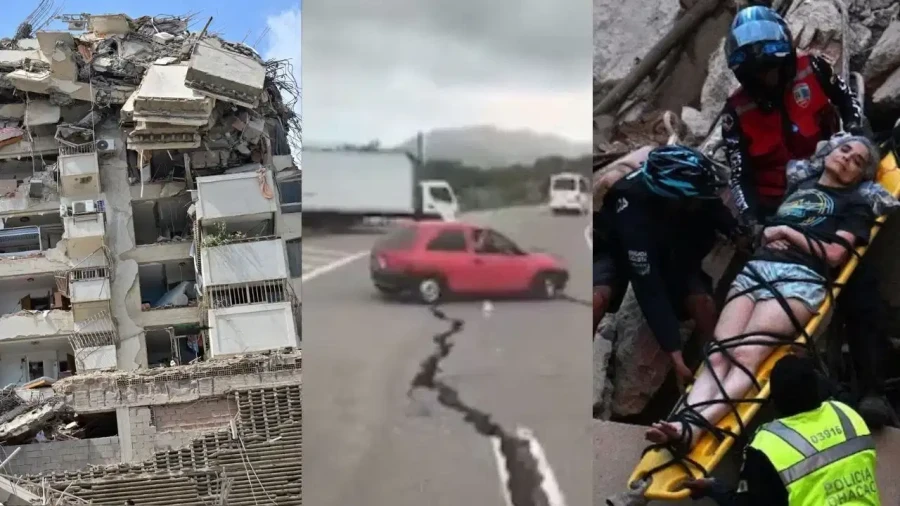
2. The epicenter of this initial tremor was identified in San Felipe, located in the state of Yaracuy. However, the terror was far from over. 5 on the Richter scale. These back-to-back seismic events proved too much for the infrastructure of the capital city, Caracas, and surrounding areas, while in Caracas alone, more than 50 high-rise buildings collapsed like houses of cards, burying residents under tons of concrete.
Rising Casualty Counts and Fears of Greater Loss
The human cost of this disaster is staggering and continues to rise. According to official information released by the government on Wednesday evening, at least 164 people have been confirmed dead, while more than 900 individuals have sustained various injuries. However, officials and rescue workers fear that this is only the beginning of a much darker picture. There are grave concerns that as search and rescue operations continue through the rubble of the 50 collapsed skyscrapers, the death toll could potentially surpass 10,000. The magnitude of the collapse in densely populated areas of the capital suggests that many remain trapped.
Impact on Infrastructure and Oil Refineries
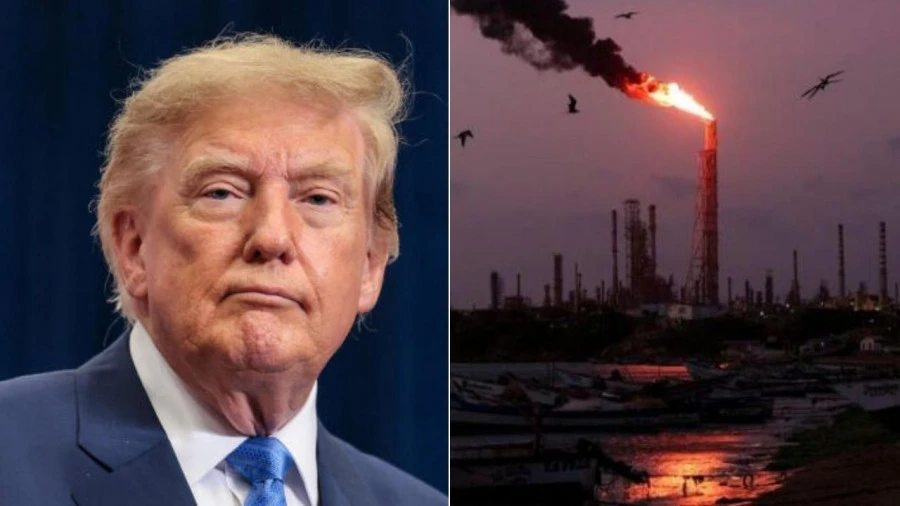
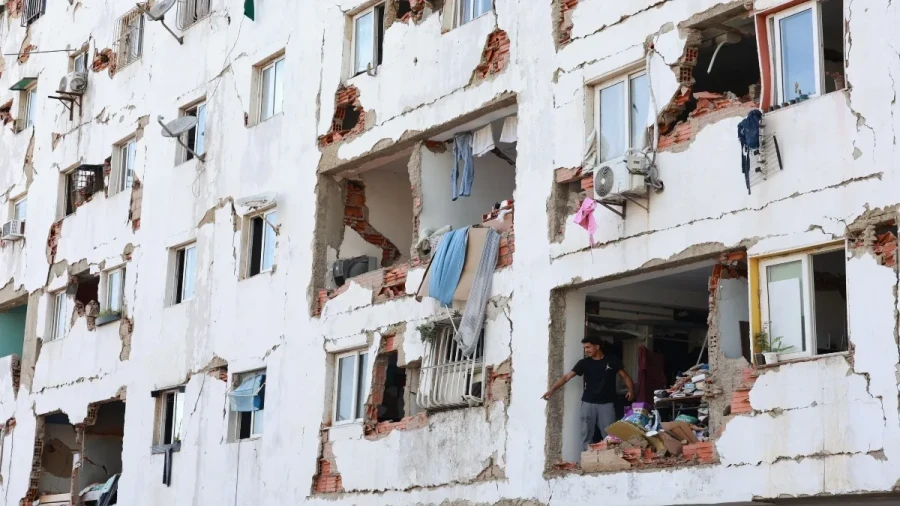
The earthquakes struck approximately 290 kilometers west of Caracas, a region that isn't only home to significant residential populations but also serves as a hub for Venezuela's critical oil industry. Several major oil refineries are located in this zone, raising concerns about the long-term economic impact and potential environmental hazards. In the capital, the physical landscape has been permanently altered. Buildings vanished in the blink of an eye, and massive cracks appeared across major roadways. As the earth split open in various cities, panicked citizens were seen fleeing their homes and workplaces in a desperate bid for survival.
Chaos at Maiquetia Airport and Public Spaces
The destruction extended to vital transport hubs, most notably the Maiquetia Airport. Viral videos and photographs from the scene show a state of total chaos as the earthquake's intensity caused a large section of the airport's roof to collapse. Passengers and staff were seen screaming and running for their lives amidst the falling debris and dust. Similar scenes of panic were reported at a local stadium where a baseball match was in progress, while as the tremors began, the game was immediately halted, and thousands of spectators rushed onto the field to avoid being hit by falling structures. In another harrowing incident captured on camera, a building facade collapsed onto a street, narrowly missing a passing vehicle.
Emergency Measures and Aftershock Warnings
In response to the catastrophe, the Venezuelan government has officially declared a state of emergency, while the capital city of Caracas is currently facing a total power outage, plunging the city into darkness as rescue teams work through the night. All essential services, including schools, colleges, the metro system, and train services, have been suspended until further notice. Adding to the anxiety is a high-alert warning for aftershocks. Authorities have explained that aftershocks are smaller tremors that follow a major earthquake in the same area and can continue for days, months, or even years, while with the threat still looming, the people of Venezuela remain on edge, fearing that the earth may shake once again.