
- India,
- 23-Jun-2026 09:17 AM IST



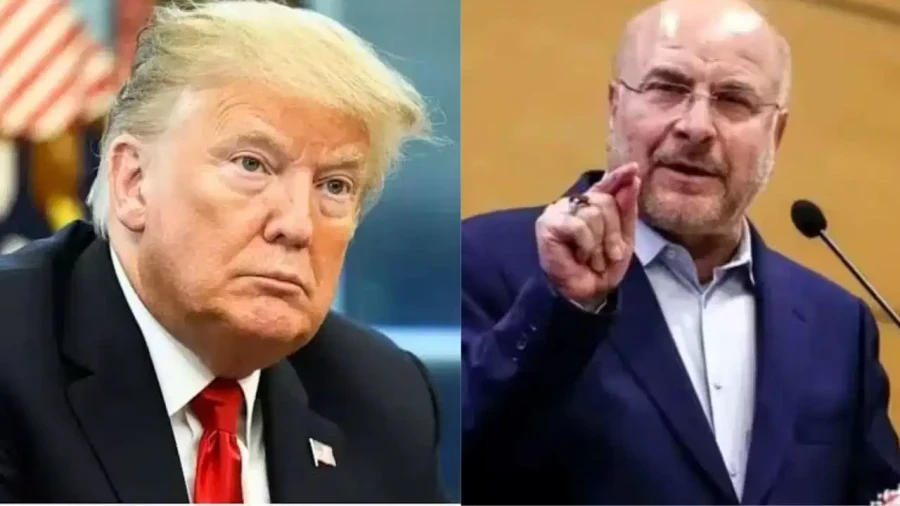
In a significant development following peace negotiations in Switzerland, Iran's chief negotiator, Mohammad Baqer Qalibaf, has announced that the Strait of Hormuz will never return to its pre-war status. Despite the ongoing peace efforts between Tehran and Washington, Iran has asserted that the management of this vital maritime route will now be conducted under an Iranian framework. Qalibaf revealed that both nations have agreed to establish a coordination mechanism, which includes a dedicated telephone hotline and a contact center to oversee the passage of vessels through the strategic waterway.
The New Coordination Mechanism and Hotline
The agreement to set up a telephone hotline is aimed at preventing and resolving misunderstandings regarding ships traversing the Strait. According to Qalibaf, this coordination system will feature a contact center where vessels can reach out if they face confusion or issues regarding their route. This move is expected to enhance the safety of maritime traffic and ensure the smooth movement of ships. Iran has committed to following international laws and taking immediate action to address any problems or misconceptions that may arise in the waterway. Qalibaf emphasized the necessity of the hotline by comparing potential tensions in Hormuz to those in Lebanon or other regions, noting that clashes had occurred on certain nights previously. The hotline's primary objective is to resolve issues if the United States has objections or if a ship requires specific clarification.
Iran's Stance on Trust and Management
Returning from the talks in Switzerland on Monday, Qalibaf spoke to the media, stating firmly that the Strait of Hormuz as it existed before the war is a thing of the past. He reiterated that Iran has never trusted the Americans and won't do so in the future, while under the new arrangements, the waterway will function under Iranian protocols. This statement comes at a time when the international community is closely watching the transition of power and control over one of the world's most critical energy corridors.
Current Maritime Traffic and Economic Impact
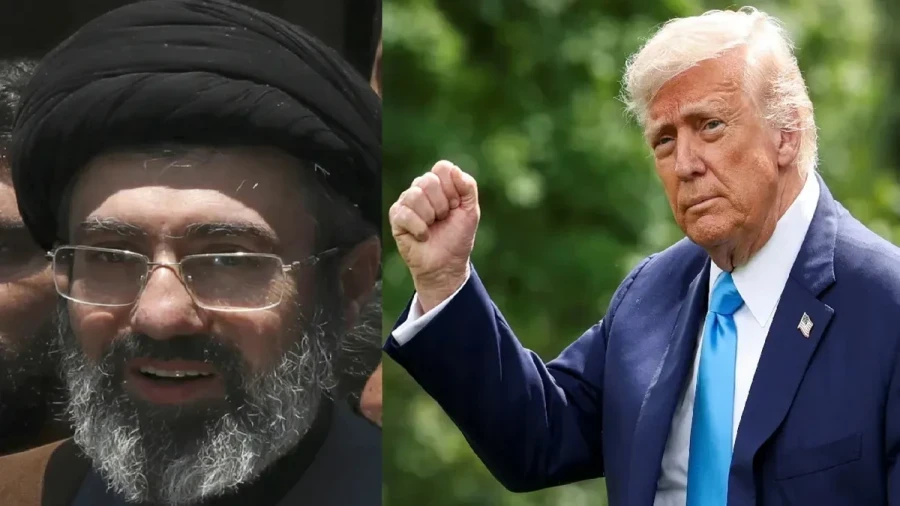
The Strait of Hormuz was closed by Iran in February at the onset of the conflict. However, it was recently reopened following the signing of a peace agreement between US President Donald Trump and Iranian President Masoud Pezeshkian. This reopening led to a significant drop in global oil prices, while data from MarineTraffic indicates that in the last 24 hours, at least 24 ships have passed through this vital waterway. This traffic included 8 tankers and 2 cargo ships exiting the Persian Gulf, while 8 tankers and 6 cargo ships entered the region. These figures highlight the immediate resumption of large-scale commercial activity in the area.
President Trump's Claims of Control
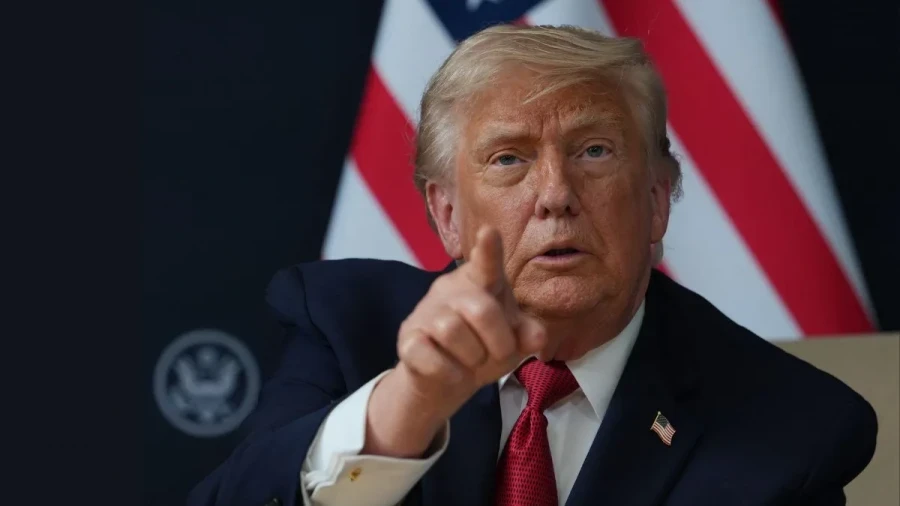
Speaking from the Oval Office, President Donald Trump told reporters that the United States is performing exceptionally well regarding the Strait of Hormuz. Trump claimed that the US has full control over the Strait, citing the effectiveness of the naval blockade. He stated, "We've the Navy, we had a blockade, which proved to be much more effective than dropping bombs. We're doing very well in the case of the Strait of Hormuz. Yesterday, we transported the most oil ever through Hormuz.
Strategic Importance of the Strait of Hormuz
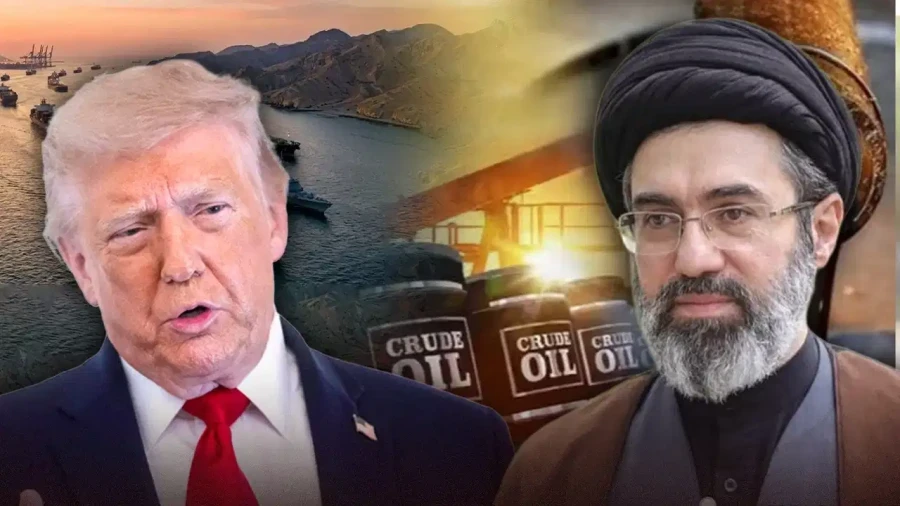
The Strait of Hormuz remains one of the most important maritime routes globally, serving as a primary conduit for the supply of crude oil and gas. Approximately 20% of the world's total oil trade passes through this narrow passage. The closure of this route by Iran during the war had sparked intense concern in global energy markets, causing volatility in oil prices, while the current agreement and the establishment of the hotline represent an attempt to stabilize this critical artery of global commerce, even as political tensions regarding its long-term management continue to persist between the involved nations.