
- India,
- 22-Jun-2026 09:51 PM IST



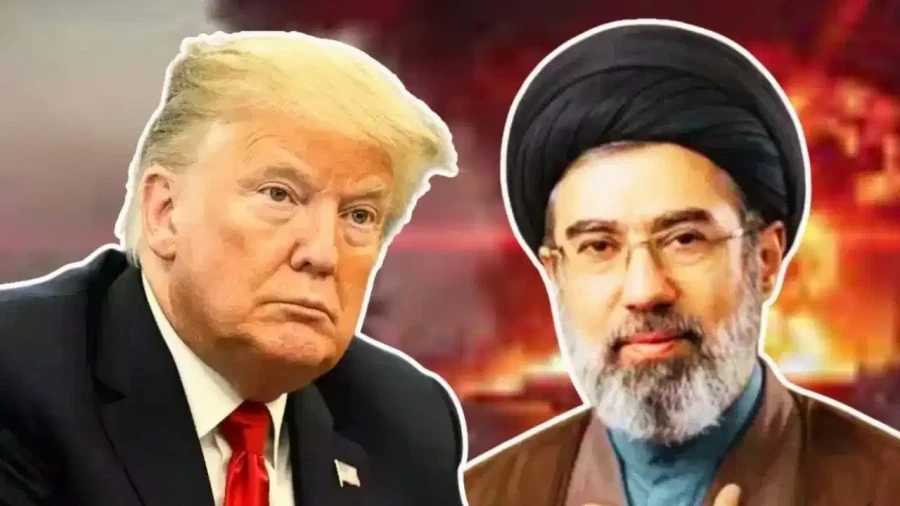
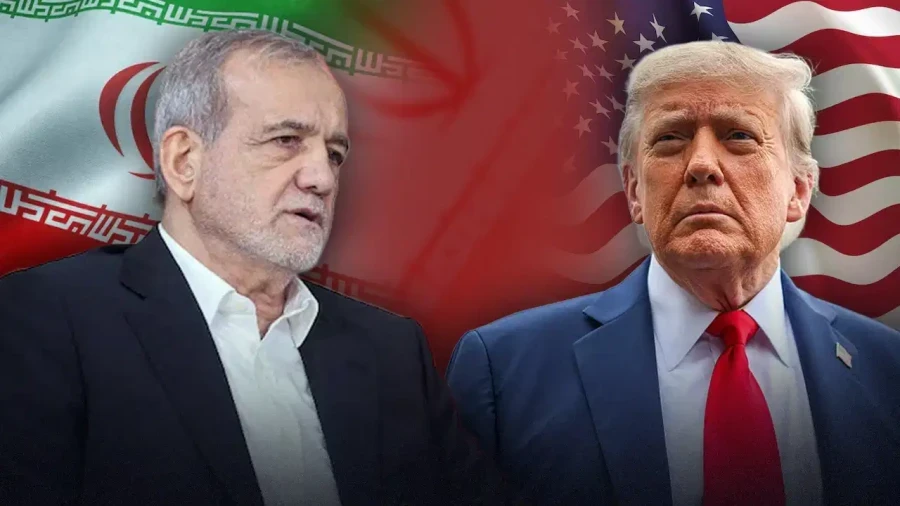
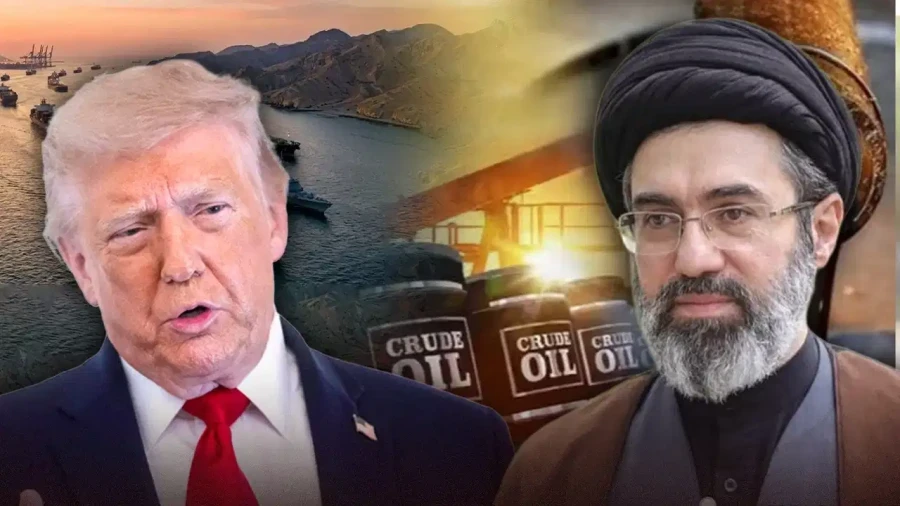
In a significant diplomatic breakthrough, the United States and Iran have reached a consensus on a comprehensive roadmap aimed at achieving a final agreement within a 60-day timeframe. This development occurred during high-level negotiations held in Switzerland, facilitated by the mediation efforts of Qatar and Pakistan. The mediators described the progress made on the first day of talks as "encouraging progress," marking a pivotal step in de-escalating tensions between Washington and Tehran. This discussion follows the signing of a 14-point Memorandum of Understanding (MoU) on June 17, which established a framework for de-escalation and laid the groundwork for further dialogue. The current achievement was realized after an intensive 18-hour marathon meeting at Lake Lucerne, involving senior officials from both nations.
US Treasury Issues 60-Day Oil License
Following the successful discussions, the US Treasury Department issued a 60-day general license related to Iran for the sale of oil. This license, which remains valid until August 21, authorizes the production, delivery, and sale of crude oil as well as Iranian-origin petrochemical and petroleum products. Treasury Secretary Scott Bessent commented on the development in a post, stating that in accordance with the ongoing positive negotiations in Switzerland, Iran has committed to ensuring free and open transit through the Strait of Hormuz. Plus, Iran has agreed to allow inspectors from the International Atomic Energy Agency (IAEA) to enter the country for oversight purposes.
Establishment of De-confliction Cell and Committees
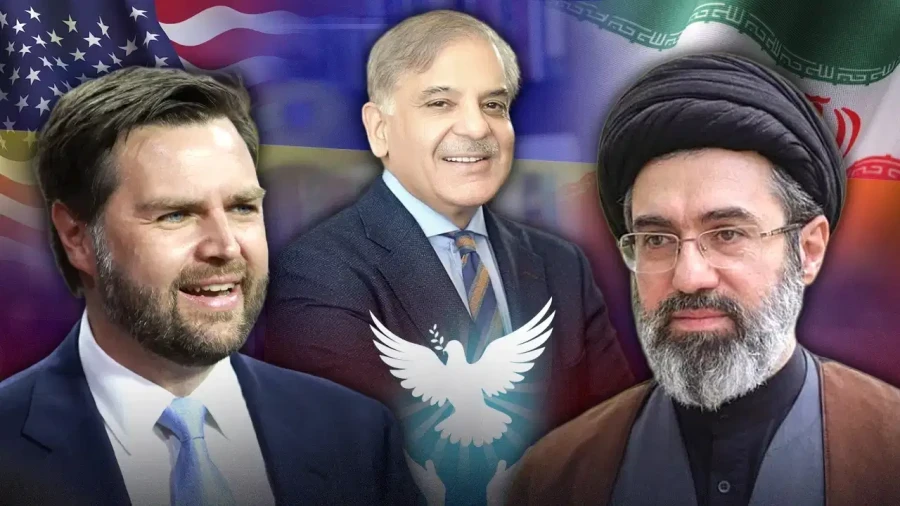
The negotiations also resulted in a joint statement announcing the creation of a "De-confliction Cell" aimed at ending Israeli military operations in Lebanon. To support ongoing and future talks, the parties agreed to establish a high-level committee and direct communication channels. The US delegation was led by Vice President JD Vance, accompanied by President Donald Trump's son-in-law Jared Kushner and Special Envoy Steve Witkoff. The Iranian delegation was headed by Parliament Speaker Mohammad Bagher Ghalibaf and included Foreign Minister Abbas Araghchi.
High-Level Oversight and Technical Challenges
" The committee has agreed on the roadmap to reach a final deal within 60 days, with technical negotiations expected to continue over the next two months. Chief negotiators will regularly report to the high-level committee and lead working groups focusing on nuclear issues, sanctions, the effective implementation of the MoU, and other related matters, while however, experts caution that the next phase of technical talks could be Importantly more challenging than the political agreement and may ultimately exceed the 60-day timeline outlined in the interim deal.
Security in the Strait of Hormuz
A critical component of the agreement is the creation of a "communication line" focusing on the Strait of Hormuz. This is intended to prevent incidents and misunderstandings to ensure the safe passage of commercial vessels through this strategic waterway, which handles one-fifth of the world's oil and gas. This announcement comes at a time when maritime traffic has seen significant disruptions; on Sunday, only 12 ships crossed the strait compared to 35 the previous day. The effective blockade of the strait by Iran had triggered a global energy crisis, impacting economies worldwide. JD Vance noted that coordination mechanisms would be established to oversee the ceasefire in Lebanon and for mine removal in the Strait of Hormuz. Technical teams from both the US and Iran will continue to negotiate peace terms under proper supervision in the coming days and weeks.
Unresolved Issues and Future Outlook
Despite the progress, several major questions remain unresolved. These include whether Iran will be permitted to continue enriching uranium, the fate of its highly enriched uranium stockpiles, the specific scope of international inspections, and the exact timeline for sanctions relief. While the 60-day roadmap provides a clear path forward, the complexity of these technical and political issues suggests a rigorous period of negotiation ahead for all parties involved.