

- India,
- 17-Nov-2025 11:36 AM IST


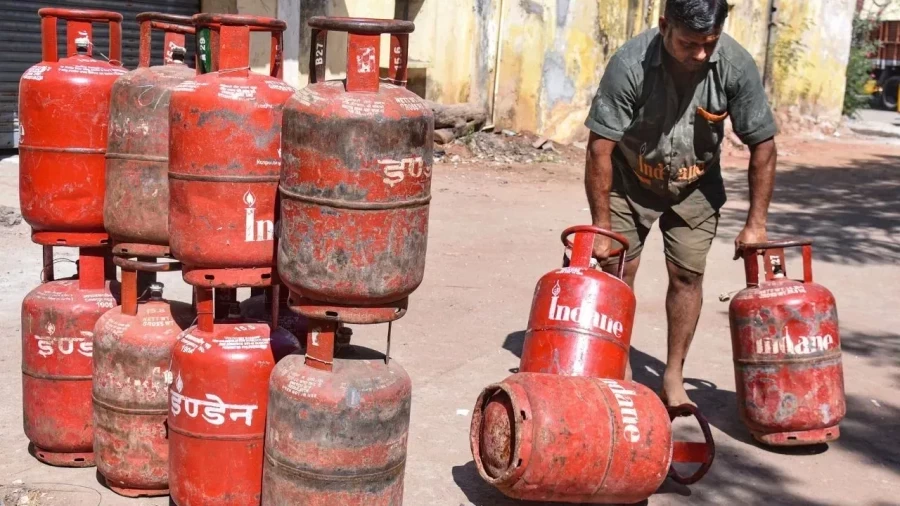
India and the United States have forged a landmark energy agreement concerning Liquefied Petroleum Gas (LPG), a move anticipated to stabilize LPG supply in India and potentially lead to a reduction in domestic prices. This long-term deal between Indian refineries and American suppliers signifies a strategic partnership aimed at addressing India's burgeoning energy demands, while the agreement comes at a crucial juncture as India stands as one of the world's largest and fastest-growing LPG markets, continuously striving to bolster its energy security and diversify its sourcing options.
Historic Agreement Unveiled
Union Minister for Petroleum and Natural Gas, Hardeep Singh Puri, officially announced this historic deal on Monday, terming it a 'historic initiative' for the country's LPG market. Through a social media post, the Minister shared details, emphasizing that this agreement marks a significant stride towards ensuring a secure and affordable supply of LPG for the people of India. He highlighted that India, being one of the largest LPG markets globally, has now opened up to the United States, fostering new avenues for energy cooperation between the two nations. This initiative is a pivotal component of the government's broader strategy to diversify India's LPG sourcing base.
Key Aspects of the Deal
Under the terms of this agreement, India's public sector oil companies – Indian Oil Corporation Limited (IOCL), Bharat Petroleum Corporation Limited (BPCL), and Hindustan Petroleum Corporation Limited (HPCL) – have successfully contracted to import approximately 2. 2 Million Metric Tons Per Annum (MMTPA) of LPG for the contract year 2026. This substantial volume accounts for roughly 10 percent of India's annual LPG imports, representing a significant portion of the nation's total demand. The LPG will be sourced from the US Gulf Coast, while minister Puri further clarified that this marks the first long-term contract for US LPG in the Indian market, underscoring the strengthening energy ties between India and the United States.
Impact on Supply Security and Prices
This landmark deal is poised to play a crucial role in mitigating any potential shortages in India's LPG supply. A long-term agreement inherently brings stability to the supply chain, thereby ensuring consistent availability of LPG for domestic consumers across the country. Plus, the agreement is expected to contribute to a reduction in LPG prices within India. The procurement is benchmarked against Mount Belvieu, a key pricing point for. Global LPG trade, which will enable India to acquire LPG at competitive rates. By diversifying its sourcing, India aims to become less susceptible. To international market price volatility, offering greater predictability to its consumers.
Minister Puri revealed that discussions for finalizing this deal had been ongoing for several months. Teams from Indian Oil Corporation Limited (IOCL), Bharat Petroleum Corporation Limited (BPCL), and Hindustan Petroleum Corporation Limited (HPCL) had made multiple visits to the United States in recent months to engage in discussions with major American producers. These visits and intensive negotiations culminated in the successful conclusion of this historic agreement, while this proactive engagement demonstrates India's commitment to actively collaborating with global partners to secure its energy future and ensure reliable access to essential resources.
Government's Commitment and Ujjwala Scheme
The Minister also underscored the government's unwavering commitment to ensuring affordable cooking gas for Indian households, particularly for women beneficiaries of the Pradhan Mantri Ujjwala Yojana. He highlighted that despite a global surge of over 60 percent in cooking gas prices last year, Prime Minister Narendra Modi ensured that Ujjwala consumers paid only Rs 500-550 per cylinder, even when the actual cost exceeded Rs 1,100. To shield consumers from international price shocks, the Indian government absorbed a burden of over Rs 40,000 crore during the year. This new agreement further reinforces the government's vision, which aims to make energy access affordable, reliable, and sustainable for all citizens.
A historic first!
— Hardeep Singh Puri (@HardeepSPuri) November 17, 2025
One of the largest and the world’s fastest growing LPG market opens up to the United States.
In our endeavour to provide secure affordable supplies of LPG to the people of India, we have been diversifying our LPG sourcing.
In a significant development,…
