

- India,
- 19-Oct-2025 02:24 PM IST


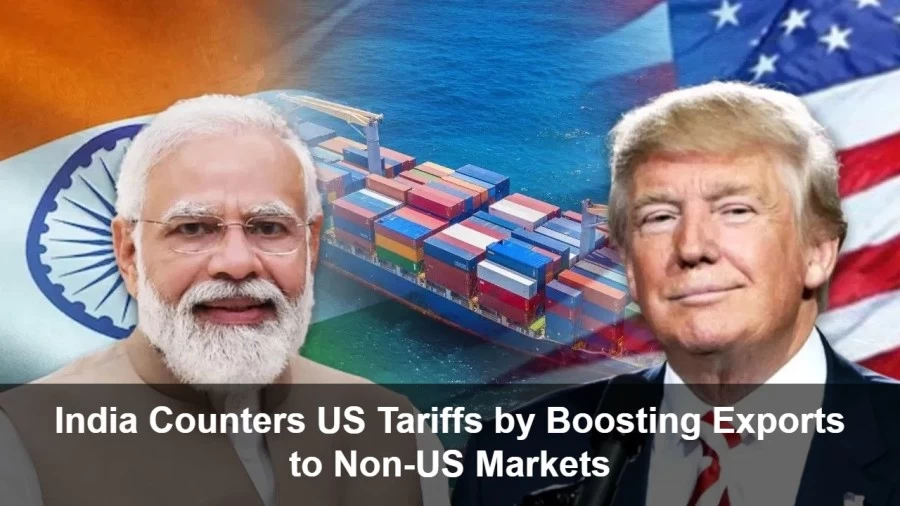
India has successfully navigated the challenges posed by the hefty tariffs imposed by the United States, which aimed to disrupt its exports. The nation has effectively countered this by shifting its export strategy and focusing on non-US markets, resulting in a positive growth in overall exports.
Decline in US-bound Exports
According to an October report by rating agency Crisil, India's merchandise exports to the US witnessed an 11. 9 percent decline in September, falling to $5, while 5 billion, after registering a 7 percent growth in August 2025. The agency noted that this drop would have been even. Sharper had shipments not been loaded before the tariff hike. This downturn is primarily attributed to the 50 percent tariffs imposed by US President Donald Trump, which became effective on August 27, impacting various Indian goods. Conversely, India's exports to non-US markets saw a strong 10. 9 percent increase in September, accelerating from the 6, while 6 percent growth recorded in August 2025. This indicates a successful diversification of India's export destinations, demonstrating the country's adaptability in finding new trading partners and mitigating the impact of US trade barriers.
Export Challenges and Positive Outlook
Crisil has warned that India's merchandise exports face challenges due to increased US duties and a broader slowdown in global growth, while the World Trade Organization (WTO) projects that the volume of global merchandise trade will grow by 2. 4 percent in 2025, a decrease from 2. 8 percent in 2024. Despite these hurdles, Crisil anticipates that India's current account deficit (CAD) will remain manageable, supported by strong services exports and a decrease in crude oil prices. The agency forecasts the CAD to be approximately one percent of the GDP in the current fiscal year, an increase from 0. 6 percent in the previous year, signaling a stable economic outlook for India.
