

- India,
- 05-Feb-2026 05:49 PM IST


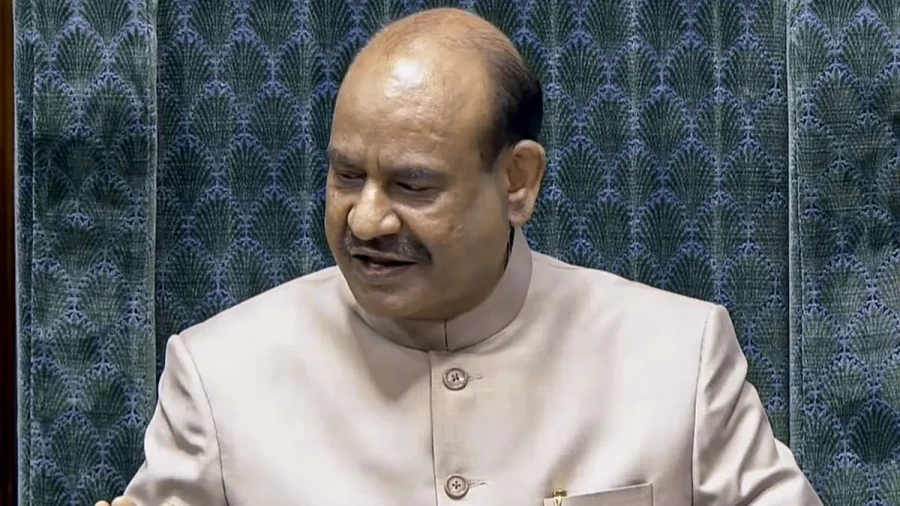
In a significant and unprecedented disclosure, Lok Sabha Speaker Om Birla stated on Thursday that a potential 'untoward and unexpected incident' was feared against Prime Minister Narendra Modi within the House on Wednesday. The Speaker revealed that due to these specific security concerns and the volatile atmosphere inside the chamber, he had personally requested the Prime Minister not to attend the scheduled session. This revelation has triggered a fresh wave of political confrontation between the treasury and opposition benches, further deepening the deadlock in Parliament.
Speaker Cites Unprecedented Security Risks
Addressing the House during Thursday's proceedings, Speaker Om Birla clarified the circumstances surrounding the postponement of the Prime Minister's scheduled reply to the Motion of Thanks on the President's Address. The Speaker noted that as the 5 PM deadline approached on Wednesday, intelligence and situational assessments suggested that the Prime Minister's safety could be compromised by disruptive elements within the House. He emphasized that as the custodian of the House, his primary responsibility is to ensure the safety of all members, especially the Leader of the House. Consequently, he advised PM Modi to refrain from entering the chamber to prevent any escalation.
Opposition Allegations and Political Rebuttal
The Speaker's claims were met with sharp criticism from the opposition parties, while congress MP Priyanka Gandhi Vadra accused the Prime Minister of 'hiding behind the Speaker' to avoid facing the opposition. She contended that the government is using security as a pretext to bypass crucial parliamentary debates on issues like inflation and unemployment, while priyanka Gandhi remarked that the Prime Minister lacked the courage to face the House even when only a few members were protesting near the well. The opposition maintains that the government is intentionally stifling democratic discussion by orchestrating such narratives.
Disruption of Parliamentary Proceedings
The events of Wednesday saw repeated adjournments in the Lok Sabha as opposition members engaged in continuous sloganeering and protests. The primary points of contention included the Manipur crisis and alleged irregularities in national competitive exams. Amidst the chaos, the Speaker moved the Motion of Thanks for a voice vote, which was passed without the Prime Minister's concluding speech, while suspended Congress MP Manickam Tagore stated that the opposition would continue to disrupt the Prime Minister's addresses until Leader of the Opposition Rahul Gandhi is allowed to complete his remarks without interruption.
Analysis of the Parliamentary Deadlock
According to political analysts, the Speaker's public declaration of a security threat within the sanctum sanctorum of Indian democracy marks a new low in executive-legislative relations, while analysts suggest that such statements indicate a complete breakdown of communication and trust between the government and the opposition. While the ruling party frames this as a matter of national security and decorum, experts believe it reflects the increasing difficulty in managing a diverse and vocal parliament. The reliance on voice votes to pass significant motions without debate is seen by analysts as a concerning trend for legislative scrutiny.
Current Status
The atmosphere in Parliament remains highly charged as both sides refuse to back down from their respective positions, while while Prime Minister Narendra Modi is expected to address the Rajya Sabha, the fallout from the Lok Sabha Speaker's claims continues to dominate the political discourse. The government has signaled that it won't tolerate unruly behavior or threats to the dignity of the House, while the opposition remains committed to its protest strategy. This ongoing friction suggests that the remainder of the current session may continue to face significant hurdles in conducting routine legislative business.
