
- India,
- 24-May-2026 02:48 PM IST



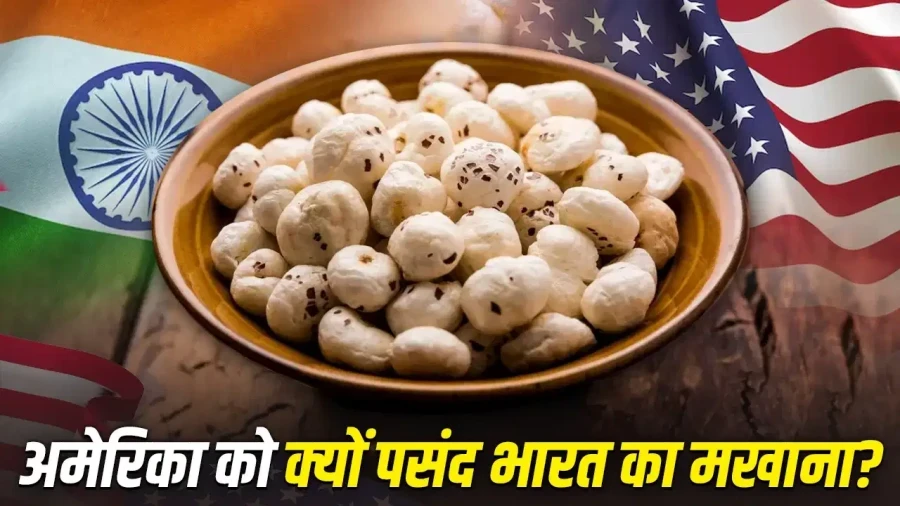
India has firmly established its dominance in the global makhana market, accounting for approximately 80 to 90 percent of the world's total production. This significant achievement is largely credited to the state of Bihar, which serves as the primary production hub for this nutritious aquatic crop. While several nations such as the United Arab Emirates, the United Kingdom, and Nepal are major importers of Indian makhana, the United States has emerged as the single largest buyer. The transition of makhana from a traditional food item used in religious rituals and fasting to a globally recognized superfood has been remarkable. Today, medical professionals and nutritionists recommend makhana as a rich source of protein, calcium, and magnesium, which has led to a surge in demand for makhana-based snacks in both domestic and international markets.
Five Key Reasons Why the USA Leads in Makhana Imports
The primary reason for the high demand in the United States is the prevailing health and superfood trend. American consumers are increasingly looking for low-calorie snack options that offer high nutritional value. Roasted makhana fits perfectly into the light snack category that health-conscious individuals prefer. Secondly, the rise of gluten-free and plant-based diets in the US has Importantly boosted makhana's popularity. As more people move away from gluten and seek plant-derived protein sources, makhana has become a preferred choice in the plant-based snack market. The third major factor is the strong demand from the large Indian and South Asian diaspora living in the United States. This community seeks traditional flavors that are also health-friendly, and makhana meets both these criteria perfectly.
The fourth reason is the established snacking culture and the high demand for ready-to-eat products in the US. Roasted and flavored makhana is sold in convenient, on-the-go formats that cater to the busy lifestyles of American consumers. Finally, improvements in India's supply chain, including better processing, grading, and packaging, have facilitated the export of branded and value-added makhana products. This has made it easier for Indian exporters to penetrate premium markets like the United States. Despite occasional concerns regarding trade tariffs, the demand for Indian makhana remains exceptionally strong and continues to grow year after year.
Bihar: The Epicenter of Global Makhana Production
Bihar's status as the heart of makhana production is due to a combination of natural advantages, traditional skills, and a strong market network. The Mithila region of Bihar possesses the ideal climate and an abundance of water bodies like ponds and wetlands, which are essential for makhana cultivation, while this aquatic crop thrives in these specific environmental conditions, which has allowed for large-scale farming over centuries. Plus, the cultivation and harvesting of makhana seeds require specialized skills and intensive labor. In Bihar, these skills have been passed down through generations, creating a highly skilled workforce that understands the nuances of seed collection from the bottom of water bodies.
The local processing and trade network in Bihar also plays a vital role. The journey of makhana from the pond to the market involves cleaning, drying, roasting, popping, and grading. Bihar has developed a sophisticated network of local groups and traders who manage these processes, ensuring a consistent supply chain. The Geographical Indication (GI) tag awarded to Bihar's makhana has further enhanced its global identity and increased buyer trust. According to the Ministry of Agriculture, the majority of the world's makhana production comes from the Mithila region. While it was traditionally grown in ponds, cultivation has now expanded to fields where embankments are used to retain water, Importantly increasing the total production area.
Production Statistics and National Expansion
Current data shows that India produces approximately 120000 metric tonnes of makhana seeds annually. After the intensive processing required to turn these seeds into the edible popped form, the final output is usually between 58000 and 65000 metric tonnes. Bihar contributes nearly 90 percent of this total national output. Other states involved in makhana production include Jharkhand, Uttar Pradesh, Assam, West Bengal, Manipur, and Tripura. Experimental cultivation has also started in states like Odisha, Madhya Pradesh, Chhattisgarh, and Kashmir, though the final results from these regions are still being monitored. To further organize the industry and boost production, the Government of India has recently established the Makhana Board, which aims to streamline the business and support farmers in scaling their operations.