

- India,
- 14-Jan-2026 07:05 PM IST


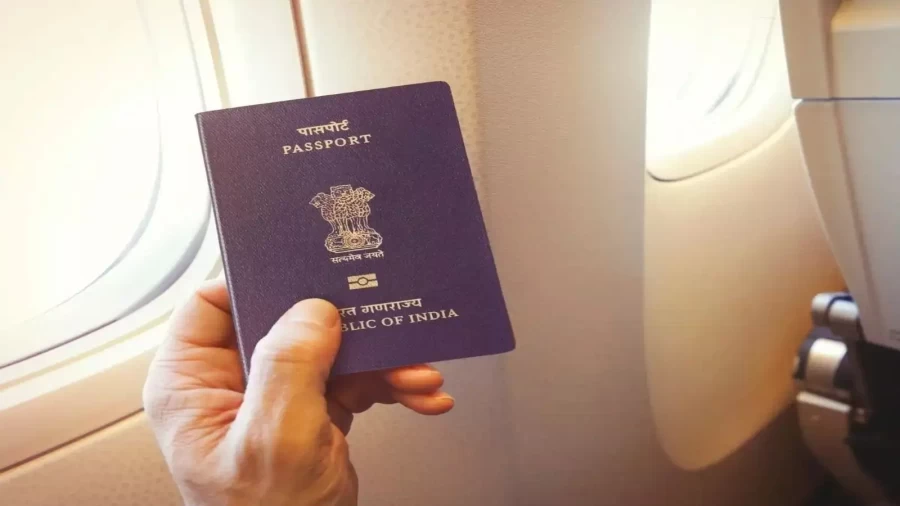
The latest passport ranking released by Henley & Partners for 2026 reveals a significant improvement in the strength of the Indian passport. Over the past year, India has advanced five positions, moving up from 85th place in 2025 to 80th in the current ranking, while this upward trend signifies a growing global standing for India and potentially expanded opportunities for its citizens in international travel, despite a slight decrease in the number of visa-free access countries.
India's Improved Global Standing
The enhancement in the Indian passport's strength reflects India's increasing influence and diplomatic outreach on the global stage. According to the 2026 ranking, holders of an Indian passport can now. Travel to 55 countries worldwide either visa-free or with a visa-on-arrival facility. This accessibility opens new avenues for international business, tourism, and cultural exchange. In the previous year, 2025, the Indian passport was ranked 85th, offering visa-free access to 57 countries. Notably, India's rank in 2024 was also 80th, indicating a recovery to its prior position after a dip in 2025. However, it's crucial to observe that the number of countries offering visa-free travel. Has decreased by two, a point that warrants further consideration regarding specific visa policy changes.
Global Leaders in Passport Power
Singapore has maintained its position as the world's most powerful passport for the second consecutive year in the global rankings. The Singaporean passport grants its holders visa-free entry to an impressive 192 countries out of 227 destinations globally, while this consistent top ranking underscores Singapore's strong international relations and diplomatic prowess. Japan and South Korea jointly hold the second position, with their citizens enjoying visa-free travel to 188 countries. The sustained high ranking of these Asian nations highlights their extensive. Global reach and the ease of travel afforded to their citizens.
Other Key Players in the Index
Several European nations share the third spot in the ranking, including Denmark, Luxembourg, Spain, Sweden, and Switzerland. Passport holders from these countries benefit from visa-free entry to 186 destinations. This collective high ranking is a testament to the strong relationships within the European Union and beyond, providing broad travel options for their citizens. The elevated status of these passports enhances global mobility and opportunities for their respective populations.
The Weakest Passports: Afghanistan and Pakistan
At the lower end of the spectrum, the Afghan passport remains the. Weakest globally, positioned at 101st place, the very bottom of the list. This situation makes international travel exceptionally challenging for Afghan citizens. Meanwhile, Pakistan has also seen an improvement in its ranking, climbing 5 spots from 103rd in 2025 to 98th in 2026. Despite this advancement, the Pakistani passport is still categorized as the fifth weakest passport in the world, while pakistani citizens can now travel visa-free to 31 countries, a slight decrease from 33 countries in the previous year, indicating that while the rank improved, the actual visa-free access diminished.
What Constitutes a Passport and Its Significance
Henley & Partners issues this comprehensive ranking twice a year, with indices released in January and July. According to the Henley Passport Visa Index website, real-time data is updated throughout the year, taking into account changes in visa policies. The ranking is determined by the number of countries a passport holder can enter without obtaining a prior visa. This includes both visa-free travel options and countries that offer visa-on-arrival facilities, while visa-free travel implies that citizens of certain countries can enter another nation without a visa, though specific conditions often apply.
A passport is an official document issued by a government that identifies its holder and verifies their nationality for the purpose of international travel. It's a crucial document used for undertaking international tours,. Enabling individuals to travel smoothly between countries without undue restrictions. A passport serves as a valid proof of identity for an individual, facilitating identification across borders, while a strong passport not only simplifies travel logistics but also serves as an indicator of a country's global reputation and the opportunities available to its citizens on an international scale.
