

- India,
- 09-Dec-2025 04:12 PM IST


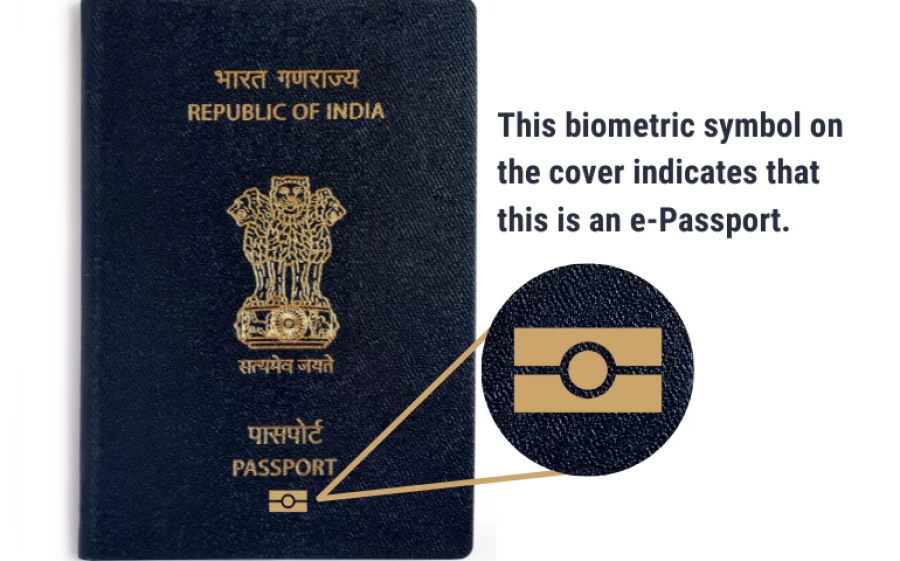
The e-Passport, introduced by the Government of India, is set to revolutionize the air travel documentation system for Indian citizens. This advanced travel document is designed to enhance security, expedite immigration checks,. And align with global travel standards, thereby simplifying the entire documentation process. Beyond these immediate benefits, the e-Passport symbolizes a significant technological shift in how Indians. Will travel internationally in the coming years, making their journeys smarter, safer, and more efficient. **What is an e-Passport? An e-Passport bears a striking resemblance to the traditional Indian passport but incorporates a crucial technological upgrade: an electronic chip embedded in its back cover. This chip is a secure repository for the passport holder's personal and biometric details. It stores vital information such as the holder's photograph, fingerprints, and digital signature. The primary purpose of this sophisticated design is to safeguard against forgery and fraudulent activities, ensuring the authenticity and integrity of the travel document. Also, the e-Passport adheres strictly to international standards, which facilitates its. Recognition and acceptance across the globe, streamlining international travel for Indian citizens.
Key Benefits of the e-Passport
Enhanced Security and Fraud Prevention
The e-Passport offers a multitude of advantages that Notably enhance the international travel experience. These benefits include vastly improved security measures, faster immigration clearance for travelers, and broader global recognition for Indian passports. Each of these benefits contributes to a more smooth, secure, and efficient journey for individuals traveling abroad, addressing common pain points associated with traditional travel documents. One of the most compelling advantages of the e-Passport is its superior security features. The electronic chip embedded within the passport dramatically reduces the risk of identity theft or cloning. The data stored on this chip is encrypted and protected against tampering, making it incredibly difficult for unauthorized individuals to access or alter the information. This solid security mechanism makes international travel Importantly safer for Indian citizens, providing peace of mind that their identity is protected against fraudulent use and ensuring the authenticity of their travel credentials at every checkpoint.
Expedited Immigration Clearance
Another significant benefit of the e-Passport is its ability to accelerate immigration processes. At airports equipped with compatible readers, the information stored on the chip can be instantly scanned and verified, while this rapid data retrieval minimizes the time traditionally spent on manual checks, thereby reducing long queues and waiting times for travelers. The efficiency gained through this technology makes the travel experience more streamlined and enjoyable, particularly for frequent. Flyers or those with tight schedules, allowing them to move through border controls with greater ease and speed.
Global Recognition and Convenience
By adhering to international travel standards, the e-Passport ensures that it's readily recognized and accepted by countries worldwide. This global compliance enhances the credibility of the Indian passport and simplifies border checks at international entry points, while the widespread acceptance of the e-Passport facilitates smoother travel for Indian citizens, reducing potential hurdles and complications when entering various nations. This also positions India as a technologically advanced nation in the realm of global travel, reflecting its commitment to modernizing public services and enhancing citizen convenience on an international scale. **Who Can Apply for an e-Passport? Any Indian citizen who is eligible for a regular passport is now qualified to apply for an e-Passport. The eligibility criteria remain consistent with those for traditional passports, encompassing requirements such as proof of citizenship, proof of address, and age-related stipulations. This broad eligibility ensures that a wide range of Indian citizens can access and benefit from this advanced travel document, making it accessible to both first-time applicants and those seeking renewals.
Initial Availability and Future Rollout Plans
Initially, the e-Passport facility is available only at a limited number of. Passport Seva Kendras (PSK) and Post Office Passport Seva Kendras (POPSK) across India. That's why, prospective applicants are advised to verify whether their local passport office has commenced issuing e-Passports before initiating their application. Recognizing the significant demand and the benefits of this upgrade, the government has ambitious plans for a gradual, nationwide rollout of this service. This phased expansion aims to ensure that both new applicants and those renewing their passports can benefit from this technological enhancement, eventually making e-Passports universally accessible throughout the country.
The Application Process
The application process for an e-Passport mirrors that of a traditional passport, ensuring a familiar and straightforward experience for applicants. The initial step requires all applicants to register on the official Passport Seva Portal. This online platform serves as the gateway for the entire application journey, where individuals create an account and begin entering their personal details.
Online Form Submission and Fee Payment
Following registration, applicants must meticulously fill out the online application form, while this form collects essential personal information, address details, and other necessary data required for the passport. Once the form is completed, the requisite fees must be paid online. This digital payment process offers convenience, eliminating the need for physical bank visits and streamlining the financial aspect of the application.
Appointment Booking and Biometric Data Collection
After successful fee payment, applicants are required to schedule an appointment at a Passport Seva Kendra (PSK) or a Post Office Passport Seva Kendra (POPSK). This appointment is a critical stage of the application, while during the scheduled visit, the applicant's biometric information will be collected. This typically includes capturing fingerprints and a digital photograph, which will then be securely stored within the e-Passport's electronic chip, forming a crucial part of its enhanced security features.
Printing and Dispatch of the e-Passport
Once all the necessary procedures are completed and the biometric data has been successfully collected, the e-Passport is printed with its embedded electronic chip. After the printing process, the passport is securely dispatched to the applicant's registered address. This ensures that the applicant receives their new, technologically advanced e-Passport directly and safely, completing the entire application cycle. As the e-Passport initiative continues to expand, it's crucial for individuals. To check whether their nearest passport office or service center offers this facility. The e-Passport represents a significant leap forward in making travel smarter and more. Secure for Indians, paving the way for smooth global mobility in the digital age. This initiative underscores India's commitment to leveraging technology for the benefit of its citizens on the international stage.
