

- India,
- 25-Dec-2025 11:32 AM IST


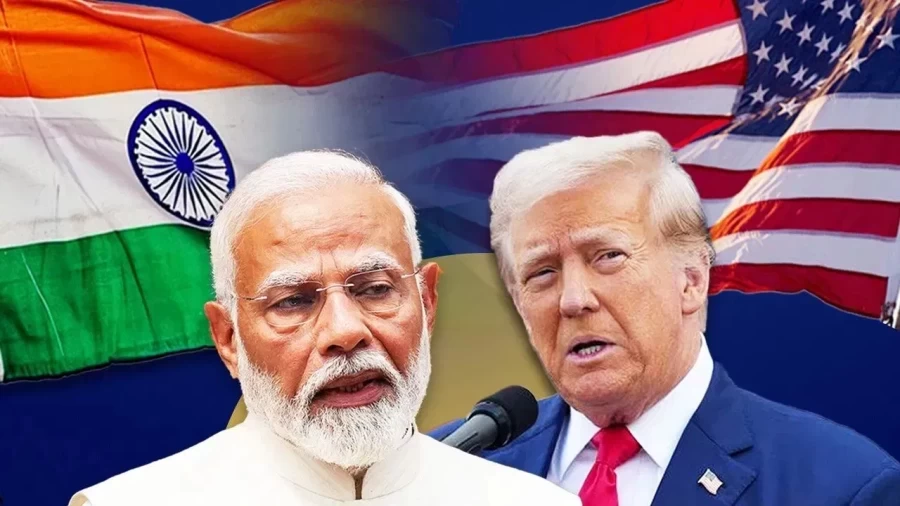
India has put forth its final and decisive proposal in the ongoing trade negotiations with the United States, while at the core of this proposal are two key demands: first, a reduction in the total 50% tariff imposed by the US on Indian goods to 15%; and second, the complete elimination of the additional 25% penalty levied on India for purchasing crude oil from Russia. These crucial talks are expected to yield a concrete and positive decision in the. New year, potentially steering the economic relations between the two nations in a new direction.
Recent Engagements and Key Discussion Points
Discussions are actively underway between India and the US for a comprehensive bilateral trade agreement (BTA). Commerce Secretary Rajesh Agarwal has expressed optimism about an early consensus. On the agreement, though he refrained from specifying a definitive timeline. This week, a significant meeting took place in Delhi between Indian and American trade teams, where discussions focused on two primary issues, while the first objective was to finalize a large and permanent trade agreement, which would lay the foundation for a long-term economic partnership between the two countries. The second issue involved reaching a framework agreement specifically aimed at removing or reducing the 50%. Tariffs currently imposed by the US on Indian goods, a critical step for addressing immediate trade barriers.
Unpacking the Tariff Structure and India's Stance
It's essential to understand the structure of the 50% tariff that the US has imposed on India, while of this total, 25% is termed by the US as a 'reciprocal tariff,' implying it's a response to tariffs imposed by India. The remaining 25% tariff has been specifically levied due to India's purchase of crude oil from Russia. The US argues that buying Russian oil helps Russia continue its war in Ukraine. However, India considers this 25% penalty to be unjust and is demanding its immediate removal, as India believes it constitutes an unfair trade impediment.
Economic Upsides of US Acceptance
Should the United States accept India's proposal, reducing the 50% tariff to 15% and eliminating the 25% penalty on Russian oil purchases, several positive economic outcomes are anticipated. Firstly, Indian goods would become cheaper in the American market, directly boosting India's exports and enhancing the competitiveness of Indian products, while secondly, Indian companies would receive more orders, leading to increased profits and potential expansion. Thirdly, this surge in economic activity and demand could create new employment opportunities across various sectors in India. Fourthly, there would be an increased inflow of US dollars into India, strengthening the country's economy and boosting foreign exchange reserves. Fifthly, India would be able to purchase cheaper Russian oil without fear or additional cost, which would help keep domestic petrol and diesel prices in check, providing relief to consumers, while finally, this move would Notably improve relations between the two countries, making it easier to negotiate larger trade agreements in the future.
Potential Drawbacks of US Rejection
Conversely, if the US rejects India's proposal and maintains the current tariff levels, along with the penalty on Russian oil, there could be adverse consequences. Firstly, Indian goods would remain expensive in the American market, potentially leading to a decline in sales and losses for exporters. Secondly, certain Indian industries could face increased pressure, impacting their profitability and potentially leading to job stagnation or losses, while thirdly, purchasing Russian oil would remain expensive or difficult, which could lead to an increase in domestic fuel prices and contribute to inflation. Fourthly, trade tensions between the two countries could escalate, potentially delaying the broader bilateral trade agreement and straining diplomatic relations.
The Geopolitical Dimension: Russian Oil Imports
The 25% tariff specifically linked to Russian oil purchases carries a significant geopolitical dimension. The US alleges that India's oil purchases from Russia are indirectly aiding Russia's war efforts in Ukraine. However, there is a reason for optimism on this front, as upcoming data for January is expected to show a significant drop in India's Russian oil imports. US sanctions imposed on two major Russian oil companies, Rosneft and Lukoil, since November 21, have already begun to impact India's import volumes from Russia, while according to a Reuters report, India's Russian oil imports, which stood at approximately 1. 77 million barrels per day (bpd) in November, decreased to about 1. 2 million bpd in December. Projections suggest this figure could fall below 1 million bpd in the coming period. Following the Ukraine war, India had emerged as Russia's largest oil buyer, a situation that drew. Scrutiny from the Trump administration, with US officials accusing India of indirectly funding attacks in Ukraine.
Seeking Equitable Treatment and Market Competitiveness
India is also striving to have the remaining 25% tariff reduced to 15%, aiming to receive the same relief that the European Union (EU) is currently enjoying. India argues that maintaining a higher tariff would disadvantage Indian exporters compared to competitors from other nations, hindering their ability to compete effectively in the global market. For instance, the US tariff on Indonesia was previously 32%, which has since been reduced to 19%, while india's clear message is that it expects similar levels of relief to ensure a level playing field for its exporters. India has conveyed its unequivocal message to the US: the penalty on Russian oil must be removed, and the overall tariff must be reduced to 15%. The ball is now in America's court, and all eyes are on President Trump's impending decision, which will determine the future course of these crucial trade negotiations.
