

- India,
- 07-Mar-2026 07:52 AM IST


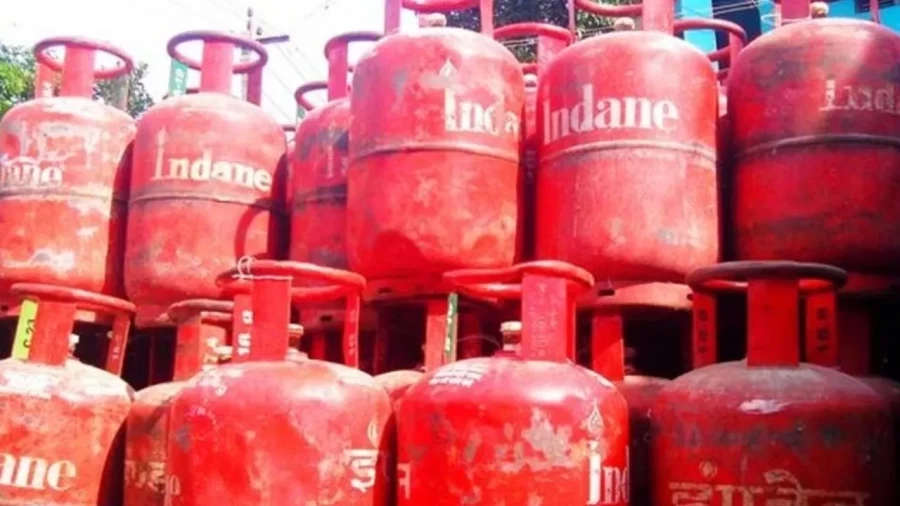
The escalating military tensions between Iran and Israel in the Middle East have begun to directly impact fuel prices in India, while oil Marketing Companies (OMCs) have implemented an immediate hike in the prices of both domestic and commercial Liquefied Petroleum Gas (LPG) cylinders. 2kg domestic LPG cylinder has been increased by ₹60, while the 19kg commercial cylinder has seen a jump of ₹115. This price revision comes amid concerns over potential disruptions in global crude oil supplies and heightened geopolitical instability.
Revised Prices for Domestic LPG Cylinders
2kg cylinder in the national capital, Delhi, has risen from ₹853 to ₹913. This increase is expected to impact the monthly budgets of middle-class households across the country, while according to official sources, the decision was necessitated by fluctuations in international energy prices and rising logistics costs. Similar price adjustments have been observed in other major metropolitan cities, reflecting a comprehensive increase in domestic fuel expenses across the nation.
Significant Jump in Commercial Gas Rates
The 19kg commercial LPG cylinders, primarily used in the hospitality and industrial sectors, have witnessed a substantial increase of ₹115. With this revision, the new price for a commercial cylinder in Delhi stands at ₹1883. In Mumbai, the commercial rate has been fixed at ₹1835. This surge in industrial fuel costs is likely to have a cascading effect on the operational expenses of hotels, restaurants, and catering businesses. Industry experts suggest that the rise in commercial gas prices could lead to increased costs for services and outdoor dining in the coming weeks.
Production Mandate for Public and Private Refineries
In response to the widening scope of the Iran-Israel conflict, the Indian government has initiated proactive measures to safeguard domestic supply. On Friday, the Ministry of Petroleum directed all public and private sector LPG refineries to ramp up their production levels. The primary objective is to ensure a continuous supply of gas in the domestic market and prevent any potential shortages. Officials have instructed refineries to maximize their capacity utilization and maintain solid stock levels to mitigate risks associated with a prolonged conflict in the Middle East.
National Energy Security and Strategic Reserves
Union Minister for Petroleum and Natural Gas, Hardeep Singh Puri, has provided assurances regarding the country's energy security. He stated that despite the ongoing geopolitical volatility in the Middle East, India isn't currently facing any energy shortage. According to government data, India maintains substantial gas reserves and stocks of petroleum products, including crude oil, petrol, diesel, and LPG, while oil companies are also diversifying their import sources, looking at countries outside the Gulf region to compensate for any potential supply chain disruptions.
Impact of Strait of Hormuz Disruptions
The conflict has raised significant concerns regarding the movement of vessels through the Strait of Hormuz, a critical maritime route for global oil and gas supplies. Any potential blockade or disruption in this region by Iran could severely impact international crude prices. Indian government officials are closely monitoring the developments in the Persian Gulf. While the current reserves are adequate, the government remains vigilant as any long-term disruption to this vital trade route could exert further pressure on global energy markets and future pricing structures.
