

- India,
- 15-Dec-2025 06:57 PM IST


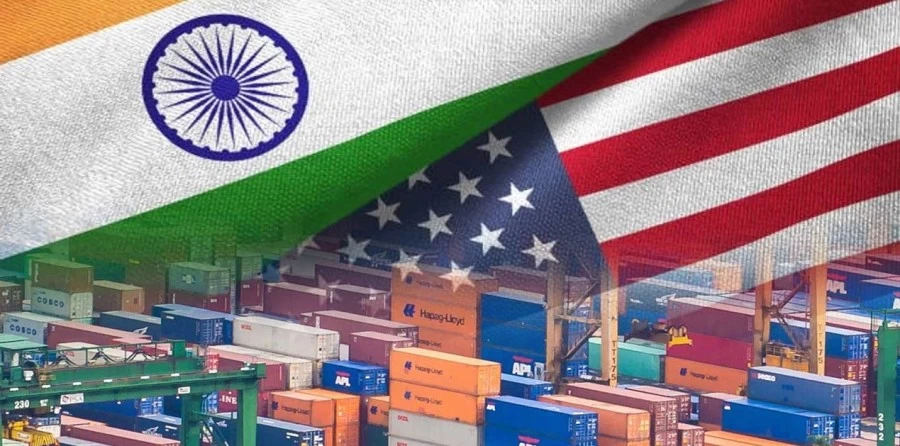
Long-standing discussions between India and the United States regarding a comprehensive trade deal appear to be reaching a decisive phase. Optimism is growing that both nations are on the verge. Of reaching an interim agreement focused on reducing reciprocal tariffs. This potential breakthrough is poised to redefine trade relations between the two economic powerhouses, fostering a positive market environment and offering substantial relief, particularly to Indian exporters who have faced significant tariff barriers, while the strategic importance of this agreement extends beyond mere economic benefits, signaling a deepening of bilateral trust and cooperation on a global scale.
Commerce Secretary Rajesh Agarwal's Key Announcement
In a significant development, Commerce Secretary Rajesh Agarwal has confirmed that India and the United States are very close to finalizing an initial interim agreement aimed at reducing mutual tariffs. This announcement has been met with anticipation within the Indian business community, as it promises to alleviate the burden of high duties currently imposed on numerous Indian products entering the American market. Agarwal underscored the Indian government's primary focus on securing a reduction in the substantial tariffs levied on a wide. Array of Indian goods, thereby enhancing their competitiveness on the global stage and fostering greater export growth and market access.
Six Rounds of Intensive Negotiations
Secretary Agarwal further elaborated that six comprehensive rounds of discussions have taken place between India and the US to reach this pivotal agreement, while these meetings weren't solely dedicated to negotiating a broader Bilateral Trade Agreement (BTA) but also extensively explored the framework for an interim deal. The objective of these protracted negotiations has been to dismantle existing trade barriers, streamline trade processes, and. Establish a strong framework that can pave the way for more extensive trade cooperation in the future. Each round meticulously addressed various trade-related issues, tariff structures, and market access. Concerns, reflecting the complexity and strategic importance of the discussions for both economies.
Recent Visit by US Delegation Underscores Progress
In early December, a high-level US delegation, led by the Deputy US Trade Representative, visited New Delhi, while this visit was considered crucial for advancing the ongoing dialogue between the two nations. During their stay, both sides conducted a thorough review of the current state of trade relations and assessed the progress made on the proposed deal. Such high-level engagements are instrumental in building mutual trust and understanding, facilitating consensus-building on intricate trade matters, and injecting momentum. Into the negotiation process, indicating a serious commitment from both sides to resolve outstanding issues and forge stronger economic ties.
US Satisfaction with India's Offers Amidst Agricultural Concerns
The American side has also expressed positive sentiments regarding India's proposals. The US Trade Representative recently stated that India has presented its "best offers" to date, while this statement suggests that India has made significant concessions in its efforts to finalize the agreement. However, certain concerns persist on the US side, particularly regarding some agricultural products, while both countries are actively working to find common ground on these remaining issues, striving to reach a mutually agreeable solution that balances the interests of both parties. The agricultural sector often represents a sensitive area in trade negotiations, and addressing these concerns will be vital for the successful conclusion of the deal and its broader acceptance.
The Imperative and Benefits of an Interim Agreement
This interim agreement holds immense significance for India, as approximately $48 billion worth of Indian exports currently face high tariffs imposed by the United States. These duties were initially levied at 25 percent on Indian goods due to trade deficit concerns and were later compounded by additional penalties related to India's oil purchases from Russia. A reduction in these tariffs would provide a substantial boost to Indian exporters, enabling their products to become more competitive in the American market. This tariff cut is expected to stimulate Indian industries, create employment opportunities, and accelerate the. Nation's economic growth, making it a critical step for India's export-led strategy and overall economic resilience.
"Mission 500": An Ambitious Bilateral Trade Target
India and the United States have set an ambitious target to increase. Their bilateral trade to $500 billion by 2030, a goal dubbed "Mission 500. " To achieve this objective, both nations are actively working on a multi-sector trade agreement. Although the initially set timeline has been extended, the government remains optimistic that at least an interim deal will be secured by 2026. This interim agreement will serve as a crucial stepping stone towards "Mission 500," laying the groundwork for a larger and. More comprehensive trade agreement in the future, and symbolizing the deepening economic partnership and shared prosperity between the two democracies.
US: India's Foremost Trading Partner
For the fourth consecutive year, the United States has maintained its position as India's largest trading partner, underscoring the solid economic ties between the two nations, while the total bilateral trade between India and the US exceeds $130 billion, highlighting the sheer scale and importance of this partnership. America's share in India's total exports stands at approximately 18 percent, clearly demonstrating the critical role of the US market for the Indian economy. This strong trade relationship not only fuels economic growth but also reinforces the strategic partnership between the. Two countries on a geopolitical level, fostering stability and shared prosperity in the Indo-Pacific region and beyond.
