
- India,
- 12-Jun-2026 06:27 PM IST



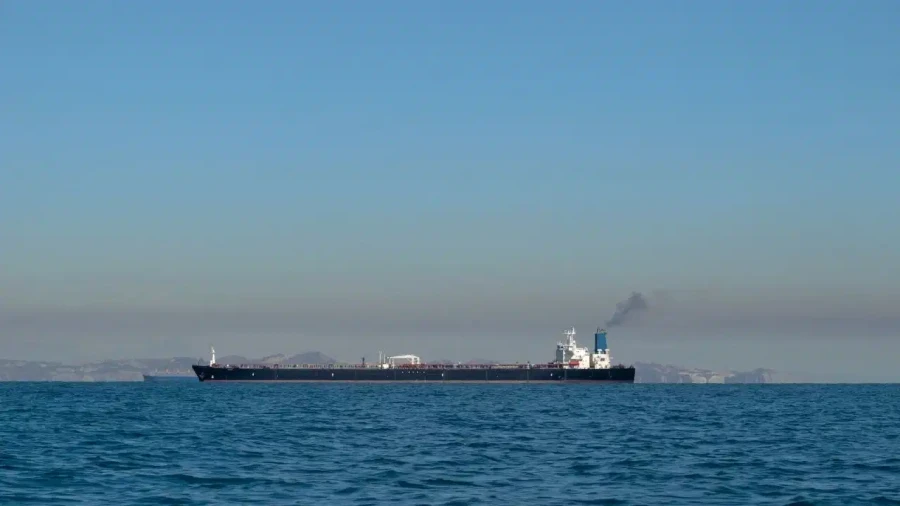
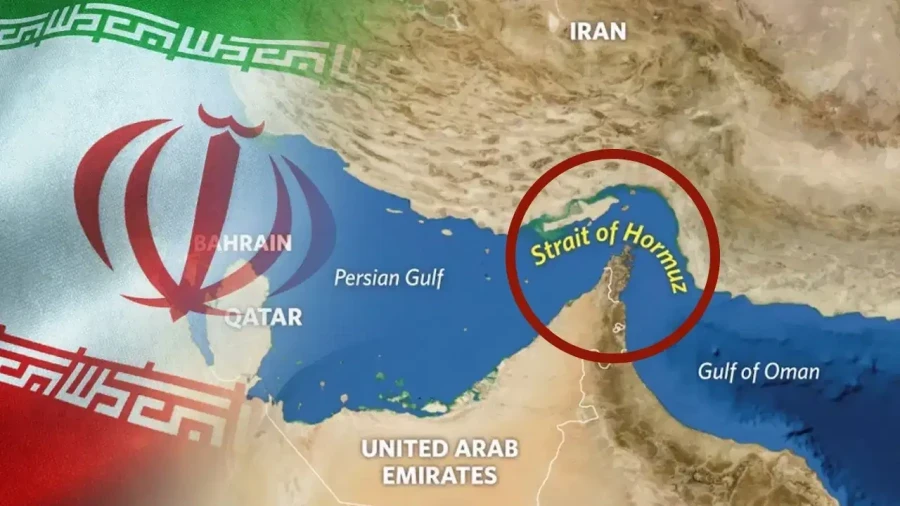
The Strait of Hormuz has evolved beyond being a mere maritime route to becoming a central pillar of global politics and energy security. Iran's potential plan to introduce a toll or service fee for vessels navigating this strategic waterway could emerge as a significant new source of national income. However, this proposal faces substantial hurdles, including international legal frameworks and complex diplomatic challenges that can't be overlooked. The strait isn't just a geographical feature but a vital artery for the global economy, and any change in its operational status has far-reaching consequences for nations across the globe.
The Path to Peace and the Strategic Importance of Hormuz
After more than 100 days of conflict, the war between Iran and the United States appears to be moving toward a resolution. According to reports from Iran's semi-official Mehr News Agency, negotiations between the United States and Iran regarding a ceasefire have reached a near-final stage. Both nations have reportedly agreed to an immediate and permanent cessation of hostilities. Amidst these developments, the Strait of Hormuz has once again captured global attention. As the narrow passage connecting the Persian Gulf to the open sea, it's widely regarded as the backbone of the world's energy supply chain. The stability of this region is paramount for maintaining steady energy prices and ensuring that the global supply chain remains uninterrupted.
Statistically, approximately 20 percent of the global oil trade conducted via sea routes passes through this strait. In addition to crude oil, vast quantities of Liquefied Natural Gas (LNG) are transported through this route to reach various international destinations. Recent reports suggest that Iran is exploring the possibility of imposing transit fees on tankers passing through the Strait of Hormuz. If implemented, this could potentially become a larger source of revenue for Iran than its actual oil exports. The strategic benefit from provided by the strait allows Iran to consider such economic measures as a way to bolster its treasury in a post-conflict era.
The Proposed Toll and Revenue Projections
Discussions are reportedly underway regarding a plan to charge a fee of 1 dollar per barrel on oil tankers navigating the Strait of Hormuz. Experts estimate that if this system is fully operationalized, Iran could generate an annual income ranging from 70 to 80 billion dollars. This figure is particularly striking when compared to Iran's historical oil export revenues. Data indicates that Iran earned approximately 41 billion 100 million dollars from oil exports in 2023 and 46 billion 700 million dollars in 2024. Consequently, the potential income from transit fees could surpass the earnings derived from direct oil sales by a significant margin, providing a massive boost to the national economy.
Resilience in Oil Income Despite Conflict
Despite facing international sanctions and regional tensions over the past few years, Iran has managed to sustain its oil exports. Recent reports highlight that Iran's daily oil income reached approximately 139 million dollars in March 2026, showing an increase from the 115 million dollars recorded in February. Interestingly, even during periods of intense conflict, Iran's crude oil exports have remained steady at around 1 million 600 thousand barrels per day. Plus, the discounts previously offered on Iranian oil in the international market have decreased, allowing the country to secure better pricing for its resources. This resilience demonstrates Iran's ability to navigate economic pressures while maintaining its position as a key energy producer.
Origins of the Hormuz Crisis
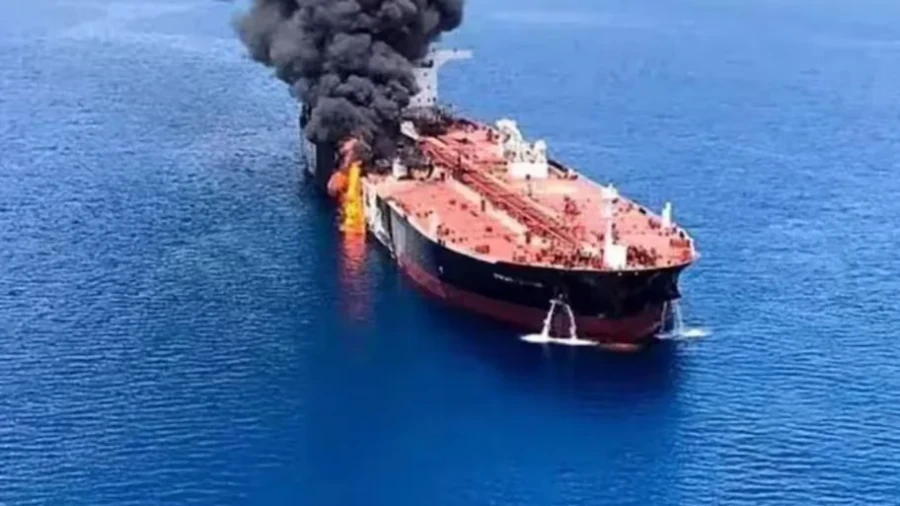
The tension in the region escalated Importantly at the end of February following military strikes carried out by the United States and Israel. In response to these attacks, Iran took the step of limiting the movement of vessels through the Strait of Hormuz. This action sent shockwaves through the global energy market, as nearly one-fifth of the world's oil and LNG supplies rely on this specific passage. The disruption led to a surge in oil prices and increased uncertainty across global markets. Thousands of ships were reportedly stranded on both sides of the strait, causing a major impact on international trade logistics and highlighting the extreme vulnerability of global energy routes to regional geopolitical shifts.