
- India,
- 28-Jul-2026 02:47 PM IST
- (Updated 28-Jul-2026 04:16 PM IST)



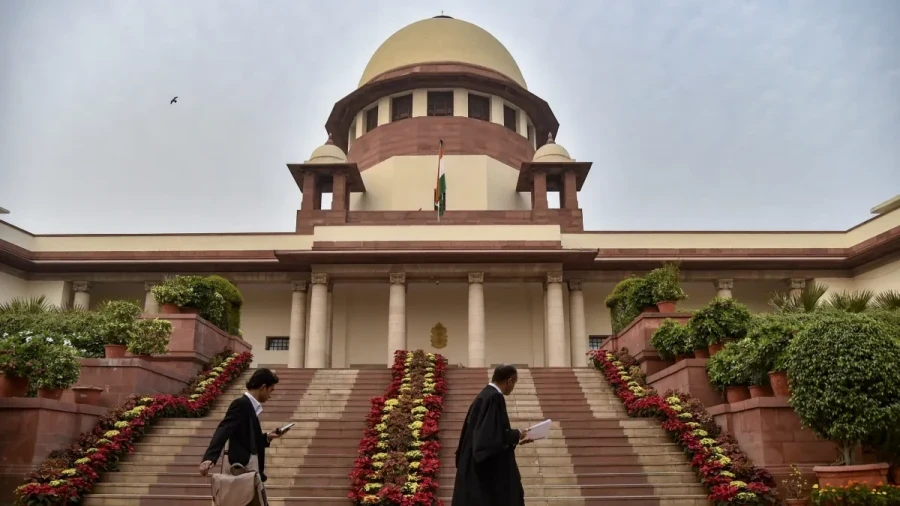
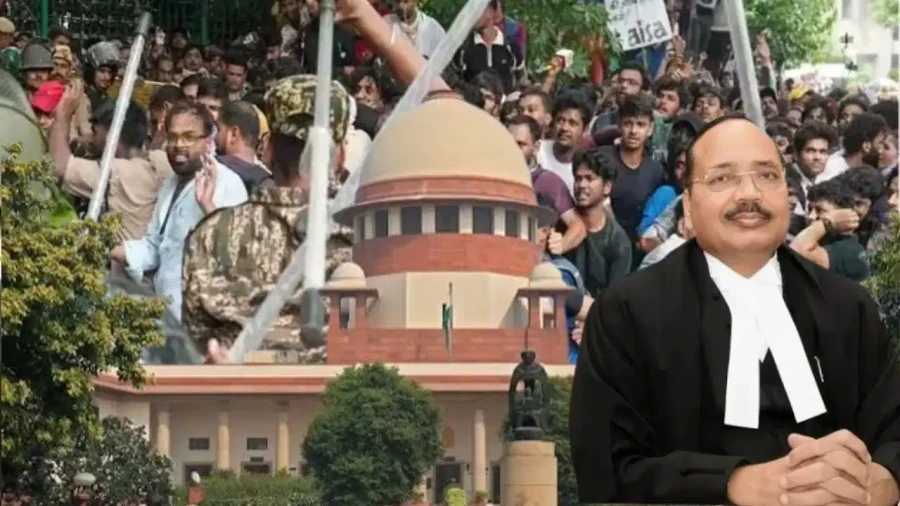
The Supreme Court of India has made significant observations regarding the nature of student protests, affirming that such movements are an integral part of a functioning democracy, while the Chief Justice of India (CJI) stated that the demonstrations carried out by the students were entirely peaceful and conducted within the framework of the Constitution. The court noted that the students had put forward specific demands through their movement, which remained within the legal and constitutional boundaries of the nation.
Judicial Observations on Democratic Rights
The CJI emphasized that in a democratic setup, movements and protests of this nature are expected to occur. The court recognized the right of students to voice their concerns and demands peacefully. By labeling the protest as completely peaceful, the Supreme Court has set a precedent regarding the legitimacy of student-led movements that adhere to constitutional norms. The bench remarked that expressing grievances through such organized efforts is a fundamental aspect of democratic participation.
Investigation into Excesses and Clubbing of Cases
While acknowledging the peaceful nature of the protest, the Supreme Court also addressed the reports of excesses that occurred during these events. The court has called for a thorough, deep, and transparent investigation into any incidents of misconduct or overreach that may have taken place, while in a procedural move to ensure a streamlined judicial process, the Supreme Court has decided to club all cases related to the lathi-charge incidents together. This consolidation means that all related matters will now be heard simultaneously to ensure consistency in the judicial outcome. The court has scheduled the collective hearing for all these clubbed cases on August 3.
Preservation of Evidence and Digital Data
A crucial part of the court's order involves the strict preservation of evidence. The Supreme Court has directed the authorities to ensure that all forms of evidence are kept safe for future investigative use, while this includes a wide range of digital and electronic records. Specifically, the police have been instructed to preserve all CCTV footage, drone videos, and recordings from body-worn cameras used during the events. Also, the court has mandated the preservation of wireless communication records and PCR call logs to maintain a complete record of the actions taken during the protests.
Focus on Protesters Digital Data
In addition to police recordings, the Supreme Court has also ordered that the digital data of the protesters be secured and preserved. This comprehensive approach to evidence preservation is intended to facilitate a fair and transparent inquiry into the events that transpired during the protests. By ensuring that all digital footprints and communication logs are available, the court aims to provide a clear picture of the sequence of events, ensuring that the investigation into any alleged excesses is based on factual and verifiable data.