

- India,
- 11-May-2026 07:18 AM IST


Efforts to resolve the ongoing tensions between the United States and Iran have faced a significant setback. S. on May 6. According to Iranian state television, Tehran stated in its response that the war must end on all fronts. Iran specifically raised concerns regarding the situation in Lebanon and the safe passage of vessels through the Strait of Hormuz, asserting that the American demands are excessive.
Trump's Reaction and Impact on Oil Markets
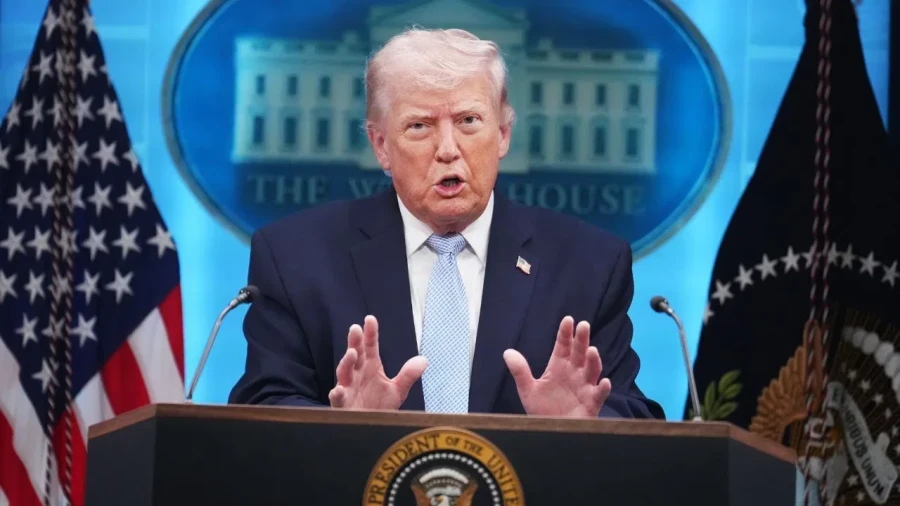
S. President Donald Trump has completely rejected the response received from Iran. " Following the failure to reach an agreement, crude oil prices surged by nearly $3 per barrel on Sunday. The conflict, which has lasted for about 10 weeks, has caused extensive damage in Iran and Lebanon. On top of that, shipping movements in the Strait of Hormuz have been severely affected, impacting global oil markets and leading to a continuous rise in prices.
Iran's Demands for Compensation and Sanction Relief
In its proposal, Iran has sought compensation for the damages incurred during the war. It also reiterated its rights over the Strait of Hormuz. S. to end its naval blockade, provide guarantees against future attacks, lift economic sanctions, and remove the ban on the sale of Iranian oil, while iran maintains that these steps are necessary for any lasting resolution.
Nuclear Program Proposals and Maritime Developments
On the other hand, the United States wanted a complete cessation of hostilities before beginning negotiations on major issues such as the nuclear program. The Wall Street Journal, citing sources, claimed that Iran has offered to reduce a portion of its enriched uranium and send the remainder to a third country, while amidst these developments, Qatar Energy's LNG ship 'Al Kharaitiyat' safely crossed the Strait of Hormuz and reached Port Qasim in Pakistan. This was the first Qatari gas ship to use this route since the war began on February 28. Sources suggest that Iran allowed the vessel to pass to build trust with Pakistan and Qatar. Also, a Panamanian cargo ship also safely navigated the route designated by the Iranian military.
Pakistan's Mediatory Role and Regional Context
Pakistan is playing the role of a mediator in this entire matter. A Pakistani official stated that Pakistan was responsible for delivering Iran's response to the United States. S. and Iran was implemented on April 8, tensions in the region continue to persist.
