
- India,
- 12-Jul-2026 01:45 PM IST



The Middle East is on the brink of a major military conflict as the United States and Iran engage in a series of high-stakes retaliatory strikes. Following a massive aerial offensive by the American military that targeted 130 to 140 locations within Iran, Tehran has launched a significant counter-attack against US military installations across six different nations. This rapid escalation follows the collapse of a ceasefire agreement, signaling a dangerous shift in the regional security landscape.
The Catalyst: Maritime Attack in the Strait of Hormuz
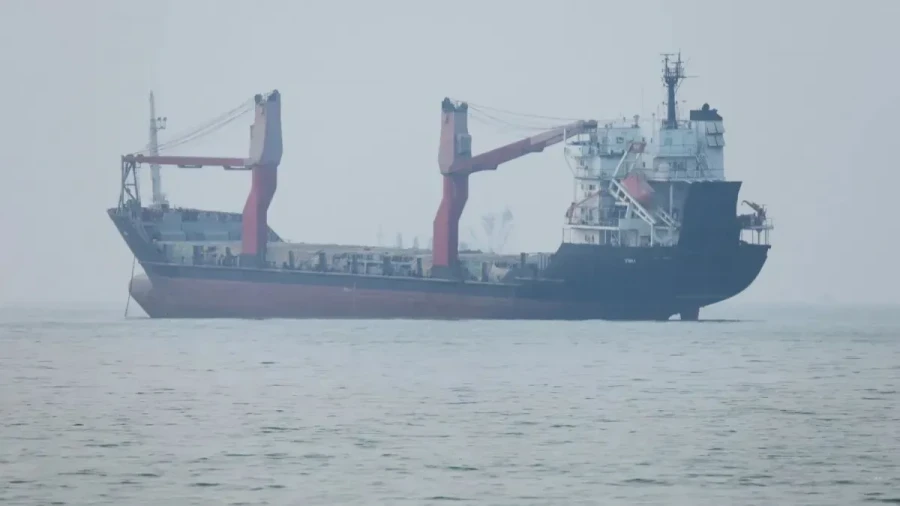
The current cycle of violence was ignited when Iran targeted a Cyprus-flagged container vessel in the strategically critical Strait of Hormuz. According to the United States Central Command (CENTCOM), the attack caused a significant fire on the ship and resulted in severe damage to its engine. One crew member remains missing following the incident. In direct response to this maritime provocation, the United States launched a series of rapid and intense air strikes against Iranian territory to deter further aggression.
US Retaliation: Strikes on 140 Targets Across 7 Cities
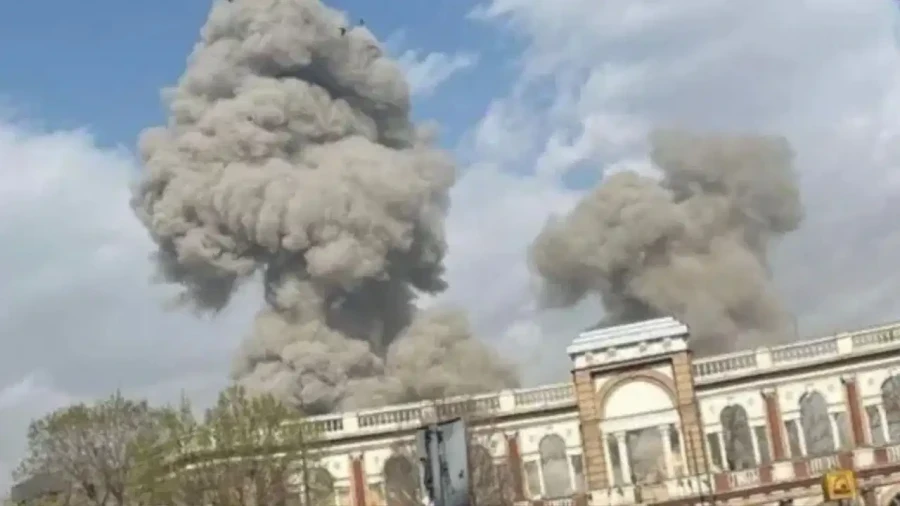
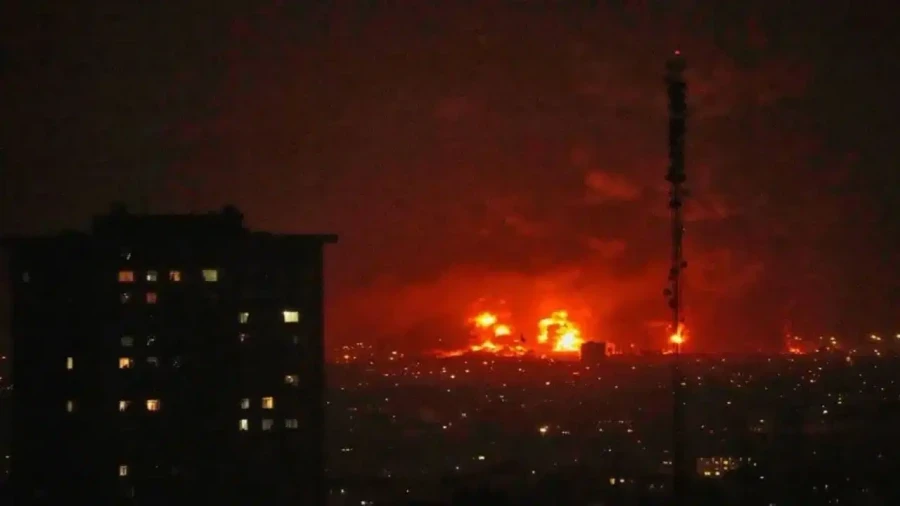
On the night of Saturday, July 11, the United States military executed a large-scale air strike operation. Utilizing its base in Bahrain, the US launched missiles that destroyed 12 specific locations and targeted a total of approximately 140 military sites. Explosions were reported in seven major Iranian cities, including Chabahar, Bushehr, Bandar Abbas, and Sirik. CENTCOM officials stated that over a period of 3 days, they've acted against more than 300 targets inside Iran to degrade its military capabilities.
Iran Strikes Back: Attacks in 6 Countries and Hormuz Closure
Shortly after the American strikes, Iran's state-run television, IRIB, reported a wide-ranging retaliation. The Iranian military claimed to have struck US military bases in six countries: Kuwait, Bahrain, Saudi Arabia, Qatar, the United Arab Emirates (UAE), and Jordan. Missile alerts were reported in Qatar, the UAE, and Bahrain. Plus, Iran has announced the closure of the Strait of Hormuz, declaring that maritime traffic won't return to normal until the United States ends its interference in Arab nations. This move threatens to trigger a global oil and gas crisis.
Political Fallout and Vows of Revenge
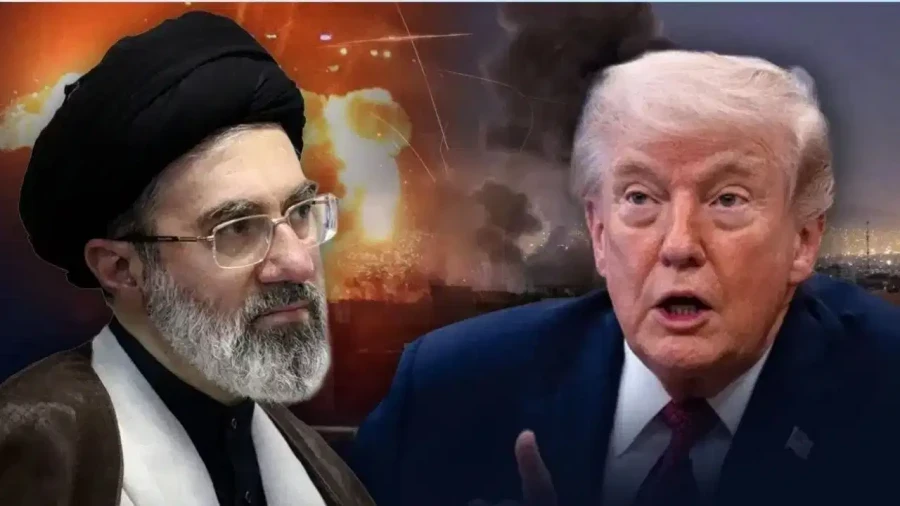
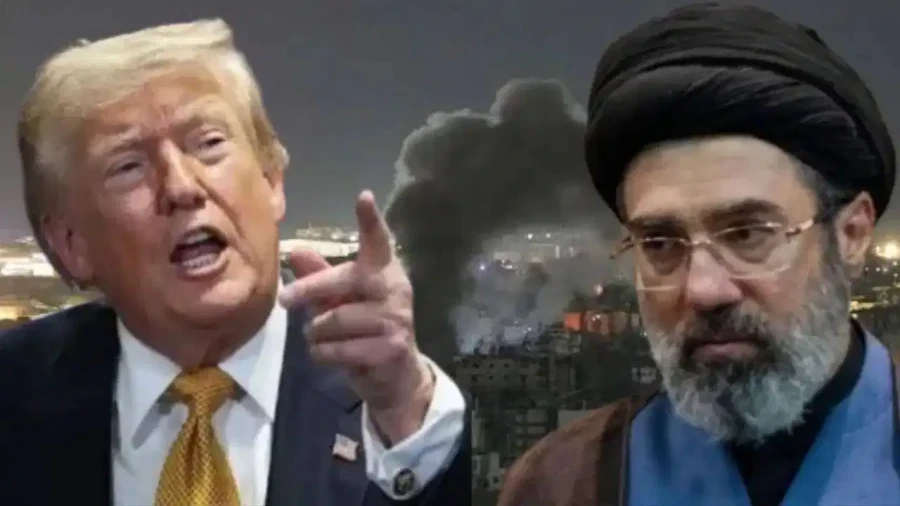
The ceasefire between the two nations officially collapsed on July 7 after Iran targeted 3 ships from Qatar and Saudi Arabia. During a NATO summit, the US President confirmed that there would be no further talks with Iran. US Defense Secretary Peter Hegseth warned that Iran must pay the price for the ship attacks, while Iranian Parliament Speaker Mohammad Bagher Ghalibaf stated that the era of one-sided agreements is over, while adding to the tension, Mujtaba, the son of the late Supreme Leader Ali Khamenei (who was buried on July 9 in Mashhad) and the country's new leader, has vowed revenge for his father's death. Meanwhile, Donald Trump has warned of unprecedented historical strikes against Iran if they attempt to assassinate him, noting that instructions for such a response have already been issued.