
- India,
- 07-Jun-2026 12:00 AM IST



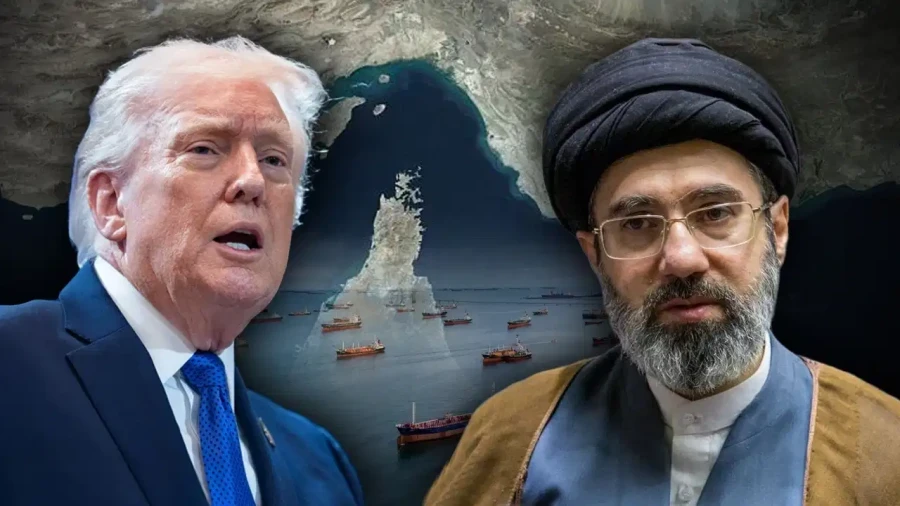
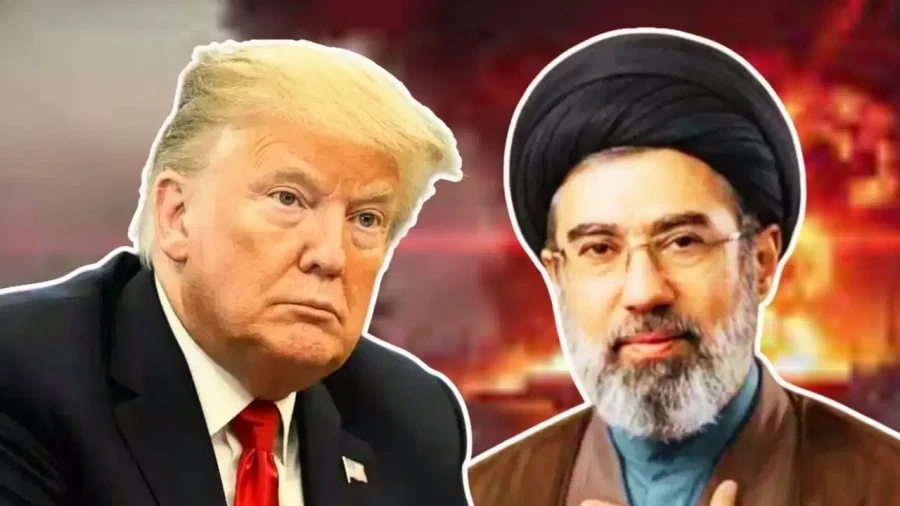
The echoes of gunpowder in the Gulf countries are now sounding the alarm for a potential global conflict. The ongoing turmoil over the last 100 hours has made it clear that Iran won't bow down; instead, it's prepared to create chaos in the Arab world through counter-attacks. Evidence of this resolve has already been demonstrated through severe drone attacks on Bahrain and Kuwait. Mujtaba has issued a final warning, Importantly increasing the anxiety within the American administration, while if the United States doesn't lift the blockade, the war won't remain confined to the Persian Gulf; this cycle of destruction is set to spread across the seven seas. The critical question now is whether Donald Trump's Gun Boat Diplomacy can force Iran to yield, or if this midnight conflict is opening a new front for a third world war.
The Expansion of the Conflict Zone
While the sound of explosives originated in the Gulf, warnings are being issued that its resonance will be heard across the seven seas, while in situations where diplomacy fails, war takes its place, and as the scope of war expands, the challenge to global security deepens. Iran has already provided clear indications of this expansion, while over the past four days, Iran has targeted five countries in Western Asia, including Bahrain, Kuwait, Iraq, the UAE, and Oman. By deploying drones and missiles, Iran has signaled that every country in the region is within its range and can be shaken at any moment. This suggests that Iran's recent actions are merely a rehearsal, with the actual devastation yet to come. Notably, Iran has targeted not only military installations but also locations frequented by civilians, implying that the civilian population could now be at risk.
The Second Phase of the Mini War Model
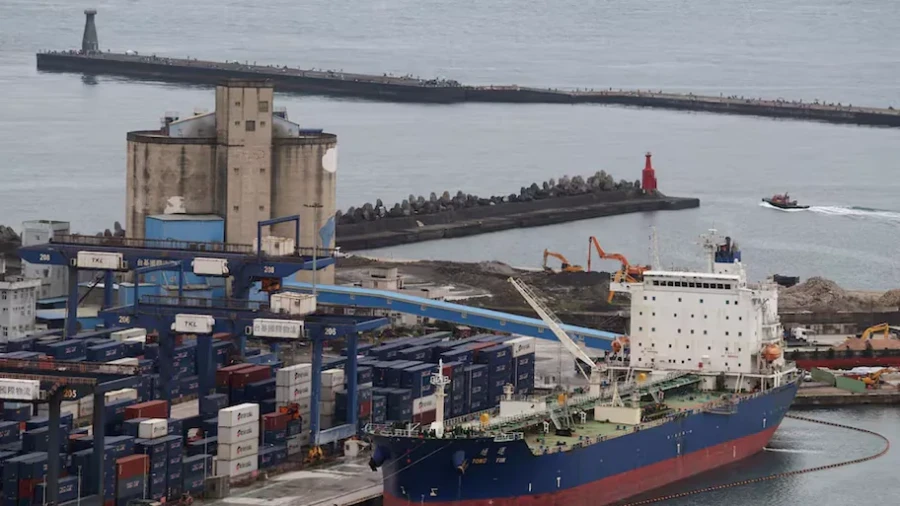
The conflict that began on June 2 is continuously expanding. This mini war model could transition into the second phase of full-scale war at any time. Last night, the Gulf witnessed another rain of fire as the United States launched strikes on Iran's secret locations where missiles were reportedly hidden. This escalation occurred after Iran tracked and attacked four US ships attempting to cross the Strait of Hormuz. During this encounter, sea mines were also activated, forcing the American vessels to perform a U-turn and retreat. In retaliation, the US initiated midnight strikes on islands located within the Hormuz region. However, Iran was prepared and quickly dispatched drones to Arab nations, causing sirens to blare throughout the night in Bahrain, Kuwait, and the UAE.
Iran's Strategic Labyrinth Across Seven Seas
Iran has warned that if the US continues such actions, it will destroy American bases across the seven seas. Iran's strategic plan involves targeting US military assets in multiple maritime regions. In the Persian Gulf, Iran is prepared to strike bases in Bahrain, Qatar, Kuwait, the UAE, and Saudi Arabia, while in the Gulf of Oman, the US military base in Oman is on the radar. Further into the Arabian Sea, the British base at Diego Garcia is a target, where Iran aims to destroy deployed jets. In the Indian Ocean, Iran is preparing drone and missile attacks against the US Navy's 5th Fleet. In the Gulf of Aden, Iran could instruct Houthi rebels to attack the US base in Djibouti. The US Central Command's naval forces in the Red Sea are already under Houthi threat, and the seventh sea, the Mediterranean, sees Iran strategizing against the Souda Bay base in Greece and US military facilities in Cyprus.
The Island Fortresses and Tactical Superiority
To trap the US, Iran has established secret military bases on several islands in the Strait of Hormuz, while 8 square kilometers; and Tunb Island, which spreads across 12 square kilometers. These islands function as a labyrinth of military outposts equipped with high-tech weaponry designed to ensnare US forces in the narrow passage of Hormuz. Radar and drones on Larak and Hormuz islands provide tracking, while anti-ship missiles on Qeshm and Abu Musa islands are positioned for a blockade, while once ships are trapped, Iran plans to use speedboats and underwater drones for sudden, destructive strikes.
Diplomatic Deadlock and Gun Boat Diplomacy
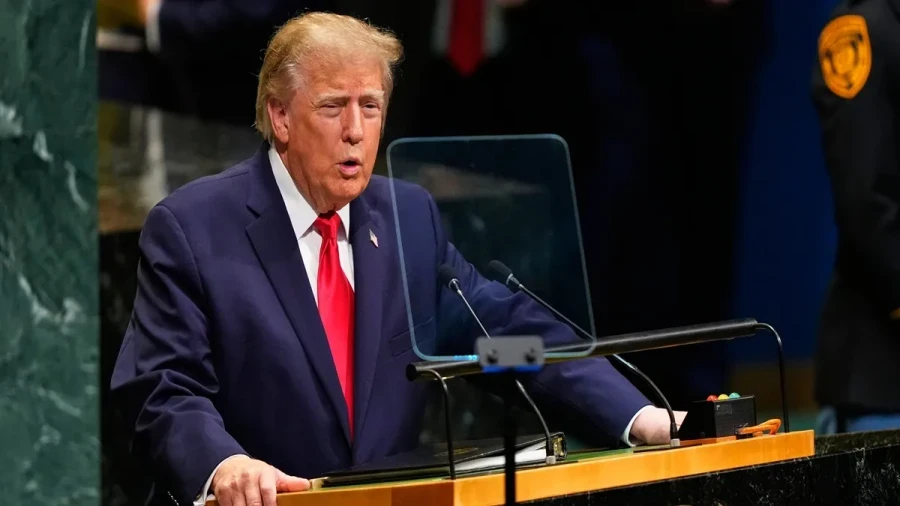
Iran remains unwilling to surrender and has signaled a green light for the expansion of destruction in the Arab world. Iran won't relinquish control over Hormuz and has stated that its nuclear program will only be discussed if the US guarantees no further attacks. Plus, Iran demands that tankers be allowed to pass through Hormuz only with its approval. These conditions have infuriated Trump, who has ordered the second round of Gun Boat Diplomacy, while this strategy aims to increase military pressure on Iran to the point where it's forced to negotiate and eventually surrender. As the movement in the Gulf of Oman and Hormuz intensifies, the world watches closely, anticipating the imminent start of the second round of war.