
- India,
- 31-Jul-2026 08:31 AM IST



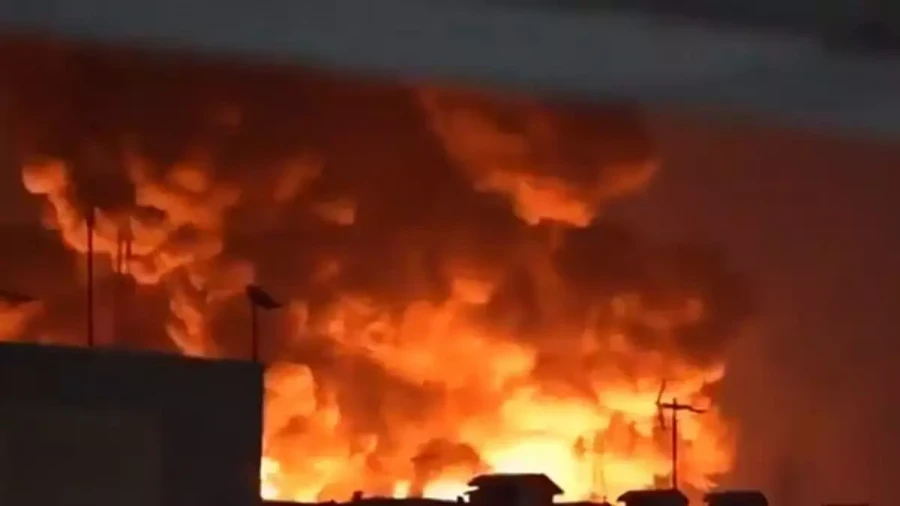
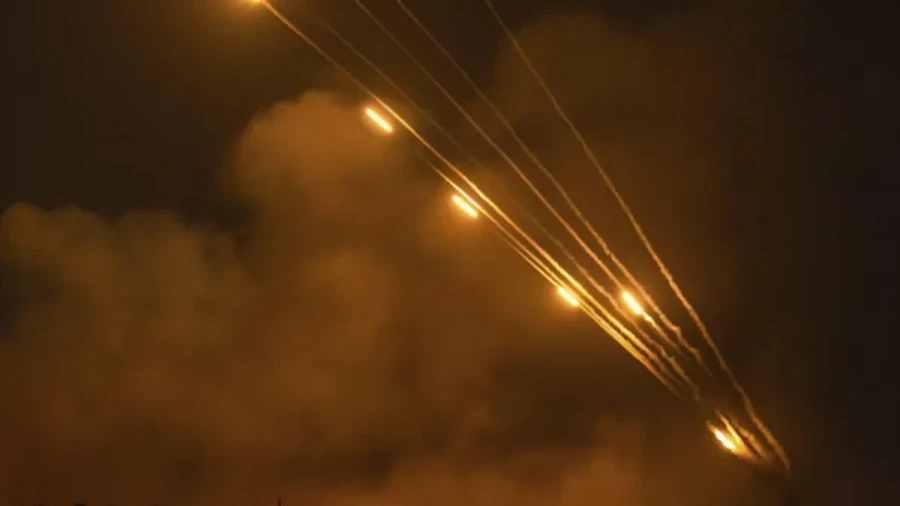
Iraq has officially broken its silence regarding the recent joint military operations conducted by the United States and Saudi Arabia within its borders, categorically denying any involvement or prior coordination, while s. President Donald Trump, who had suggested that the strikes were carried out in coordination with the Iraqi leadership. According to official statements from Baghdad, the government neither granted permission for these strikes nor was it informed about them before they occurred. This development marks a significant diplomatic friction point in the region, as Iraq seeks to maintain its sovereignty amidst escalating tensions between major powers.
Casualties and the Impact on PMF
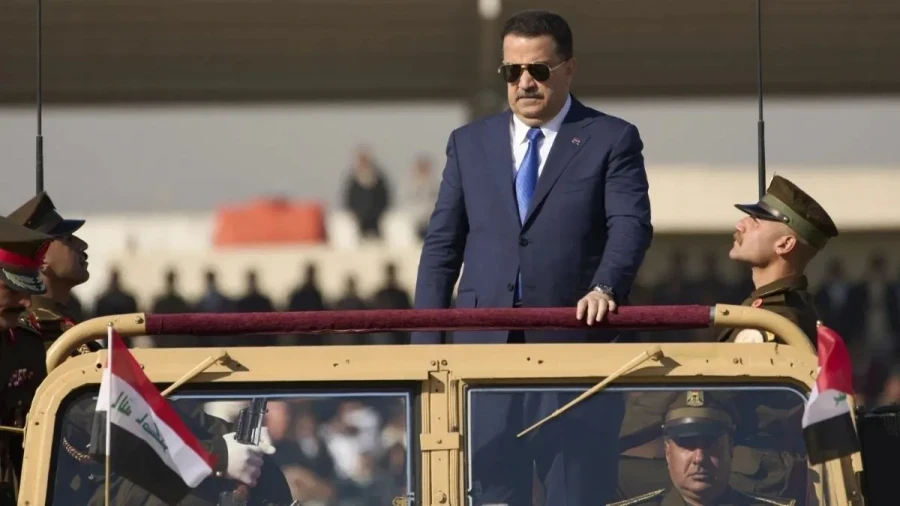
The military strikes targeted positions held by the Popular Mobilization Forces (PMF), an Iran-backed umbrella group of fighters that's officially part of the Iraqi security apparatus. Reports from Al Jazeera indicate that at least 20 fighters belonging to the PMF lost their lives in these joint US-Saudi attacks. The scale of the casualties has sparked outrage within Iraq, leading to a formal condemnation of the strikes by the government on Wednesday. The loss of 20 personnel has intensified the internal pressure on the Iraqi administration to take a firm stand against foreign military interventions on its soil. In response to the gravity of the situation, Iraqi Prime Minister Mohammed Shia al-Sudani has decided to postpone his proposed visit to Saudi Arabia, signaling a cooling of diplomatic relations following the incident.
Official Denial of Coordination
The Iraqi government's spokesperson, Haider al-Aboudi, issued a clear and firm statement to clarify the country's position. He stated that the Iraqi government didn't grant any permission to attack any location or group within its borders. Also, he emphasized that the government had no prior knowledge of these strikes. This statement serves as a direct rebuttal to the narrative provided by the White House. President Donald Trump had previously claimed that the military action was a coordinated effort with Iraqi authorities, but Baghdad's official stance now completely contradicts that assertion. The government has made it clear that any action taken within its territory without its explicit consent is viewed as a violation of its national integrity.
Demand for Evidence from Saudi Arabia
In addition to denying coordination for the strikes, Iraq has also addressed the allegations made by Saudi Arabia. The Saudi Ministry of Defense claimed that Iran-backed armed groups based in Iraq had launched drone attacks against Saudi Arabia on Monday and Tuesday. These drones allegedly targeted the capital city of Riyadh and other critical infrastructure. However, Iraq has demanded that Saudi Arabia provide concrete evidence to support these claims. Sabah al-Numaan, a spokesperson for the Iraqi Prime Minister, stated that so far, no party has provided any proof to back the allegations that Iraqi soil was used for these drone strikes. Iraq is insisting on a fact-based approach rather than accepting unilateral accusations that could further destabilize the region.
Stance on Sovereignty and Armed Groups
Iraq has reiterated its policy regarding the use of its territory by non-governmental or armed groups. Sabah al-Numaan emphasized that Iraq won't allow its land to be used as a launchpad for attacks against other countries. At the same time, he made it clear that Iraq won't tolerate any foreign military action or violation of its sovereignty. The government has stated that it won't accept any unilateral actions from within Iraq, nor will it accept any violations coming from outside its borders. This dual-pronged approach aims to show that while Iraq is committed to regional stability, it's equally committed to defending its own borders from external aggression. The ongoing conflict between the United States and Iran continues to place Iraq in a difficult position, as it strives to navigate the intense regional tensions that have spread across the Middle East.