

- India,
- 29-Aug-2025 10:00 AM IST
- (Updated 28-Aug-2025 09:14 PM IST)


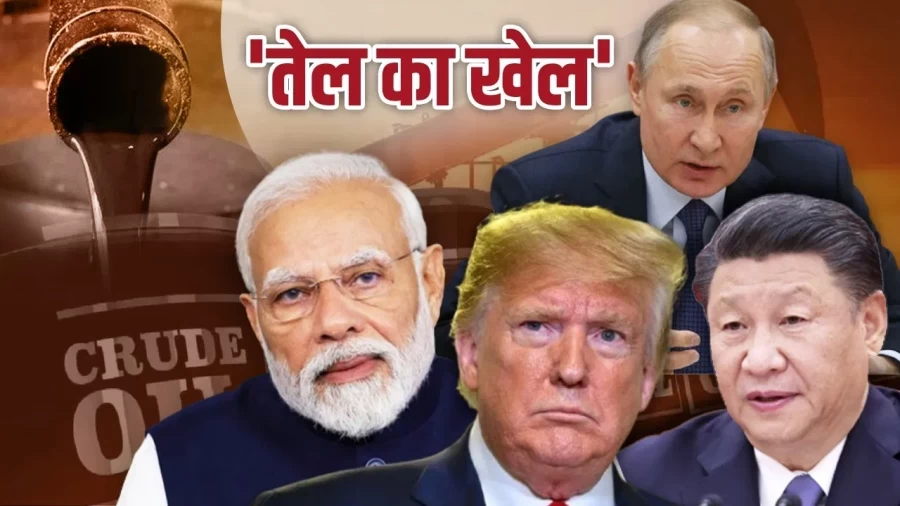
India-US Tariff War: Donald Trump, who became the President of the United States for the second time, has created a stir in global trade by imposing a 50% tariff on many countries including India from 27 August 2025. This tariff, in which an additional 25% duty has been imposed for buying oil from Russia, is not only affecting India-US trade relations, but the strategy of America to increase oil exports is also clearly visible behind it. This move of Trump is being considered as a part of the 'oil game', in which the US wants to further strengthen its supremacy in the global oil market.
Purpose of the tariff: Pressure on Russia or expansion of American oil?
The Trump administration has clarified that this additional tariff has been imposed on India to reduce the purchase of crude oil from Russia. He claims that India's purchase of Russian oil is indirectly supporting the Ukraine-Russia war. However, India has described it as necessary for its energy security and national interests. The Ministry of External Affairs termed the move as "unfair and unjust" and said that India will not change its energy policy under pressure.
But is this tariff only a weapon to suppress Russia? Experts believe that America's ambition to increase oil exports is also hidden behind this. In 2023, America's oil exports reached a record 10 million barrels per day, but the purchase of cheap oil from Russia affected the demand for American oil in Europe and Asia. India, which gets 41% of its oil imports from Russia, can be a big market for America. An attempt to force India to buy American oil through tariffs is clearly visible.
America: King of oil production
America ranks tenth in the world in terms of oil reserves, yet it is the largest oil producer. Shale oil technology and the discovery of new oil fields have brought America to this position. In 2020, the US became a net petroleum exporter for the first time, and by 2023 its exports reached record levels. Countries like the Netherlands, China, Australia and South Korea have been its major buyers. US oil exports surged after Europe imposed sanctions on Russia following the Ukraine war, but India and China's purchases of Russian oil offset this growth.
Impact of tariffs on India
India exports about $86.5 billion worth of goods to the US every year, of which this 50% tariff will be applicable on $60.2 billion worth of exports. According to the Global Trade Research Initiative (GTRI), this could lead to a decline of up to 70% in India's exports, which will affect sectors such as textiles, shrimp, gems and jewellery, leather and agricultural products. Lakhs of jobs are at risk in industrial hubs such as Tirupur, Noida and Surat in Tamil Nadu.
Shrimp exports, which is India's $7.4 billion business, will be badly affected. Lakhs of farmers in states such as Andhra Pradesh could suffer losses due to this tariff. Apart from this, countries such as Vietnam and Bangladesh will get competitive advantage in the textile and leather industry.
India's response and future strategy
Prime Minister Narendra Modi called the tariffs "unfair" and said India will protect the interests of its farmers, small industries and consumers. The government plans to accelerate the 'Export Promotion Mission' to support exporters and explore alternative markets in 40 countries such as the UK, Japan, South Korea. Former Niti Aayog CEO Amitabh Kant suggested that India should diversify its export markets, turning this crisis into an opportunity.
