
- India,
- 08-Sep-2026 10:59 AM IST



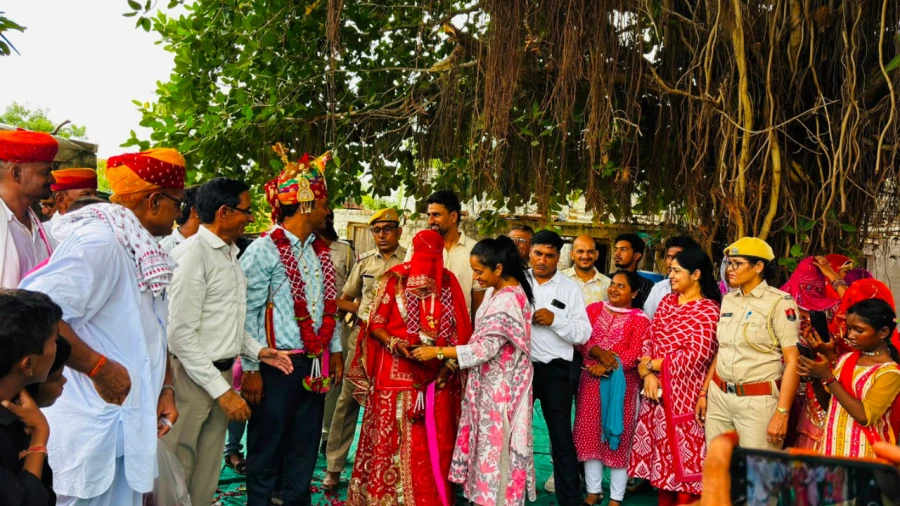
The golden city of Jaisalmer witnessed a profound display of faith and tradition as the Bach Baras festival was celebrated with immense devotion across the district. From the early hours of the morning, the atmosphere was filled with spiritual fervor as women gathered to perform rituals dedicated to the well-being and longevity of their children, while this festival, deeply rooted in the cultural fabric of Rajasthan, saw women praying for the bright future of their offspring and the overall prosperity of their families. The district was immersed in a celebratory mood, with the sounds of prayers and traditional activities echoing through the streets.
Traditional Worship and Rituals
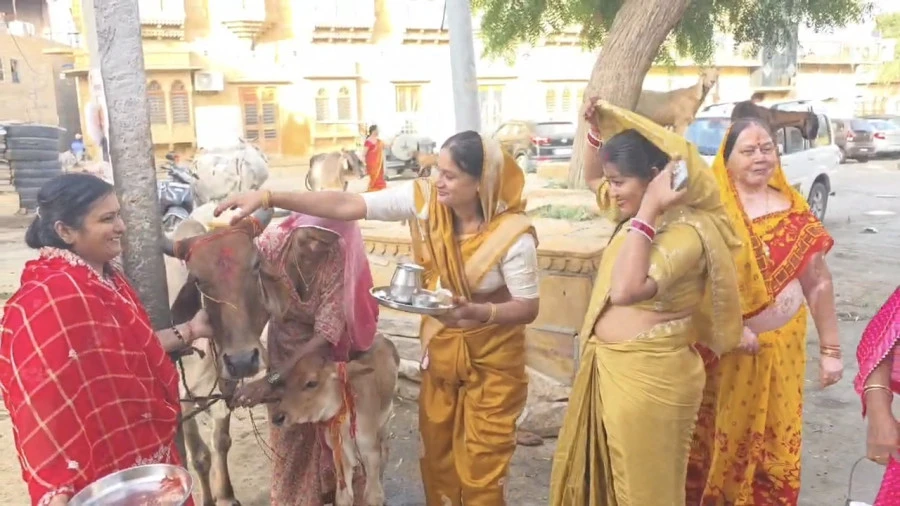
The celebrations began as early as 5 in the morning, with the streets and neighborhoods of Jaisalmer coming alive with the presence of women dressed in vibrant traditional attire. The core of the ritual involves the worship of a cow and its calf. Women were seen approaching cows that had calves, carrying out the ceremony with meticulous care. The ritual included bathing the cow and calf, followed by the application of tilak and roli, while offerings of various puja materials were made as part of the traditional worship. After the offerings, the women performed a parikrama or circumambulation around the cow and calf, seeking blessings for their family's peace and happiness. This act of devotion is believed to bring stability and joy to the household.
Significance of the Festival
According to the elders and local traditions, Bach Baras is primarily observed by mothers who keep a fast for the welfare of their sons. The presence of both the cow and the calf is essential for the puja, symbolizing the bond between a mother and her child. It's a widespread belief that worshiping them together ensures that the children lead a prosperous and healthy life, while the festival serves as a reminder of the deep-seated respect for cattle in Rajasthani culture, where the cow is revered as a maternal figure. The enthusiasm among the women was palpable as they followed every ritual with precision, ensuring that the age-old customs were honored correctly.
Strict Dietary Traditions and Customs
One of the most distinctive aspects of the Bach Baras festival is the strict dietary code followed by the women. According to the established traditions, women refrain from consuming any products made from cow's milk throughout the day. On top of that, there is a strict prohibition on the use of wheat and any food items that have been cut with iron implements. Instead of the usual staples, women consume traditional food items such as bajra roti. Many women opt for buffalo or goat milk as an alternative during the fast, while another significant part of the festive meal includes dishes prepared from sprouted grains, which are considered auspicious for this occasion. These dietary restrictions are followed with great discipline to maintain the sanctity of the fast.
Community Participation and Passing Down Traditions
The festival also highlighted the community spirit in Jaisalmer, as women were seen gathering in groups to perform the puja. These gatherings became a platform for social interaction and the sharing of cultural knowledge, while elderly women took the opportunity to guide the younger generation, explaining the significance of each ritual and the stories associated with Bach Baras. This ensures that the traditions are passed down intact to the next generation, while timing is also a crucial factor in this festival; according to local beliefs, women must finish their meals in the evening before the cows return from grazing. This led to a busy day for the women, who balanced their household preparations with the rigorous demands of the festival's rituals and dietary laws.